Air Conditioner Exposure in Cats and Dogs: Symptoms of AC Cold and Muscle Stiffness
Sedat Çapanoğlu, DVM
Anka Veterinary Clinic
Last updated:
Mustafa Kemal University graduate (2018). After clinical experience in Mersin and a short period in municipal shelter practice, he takes an active role in surgery, emergency care, dental health, and diagnostics.
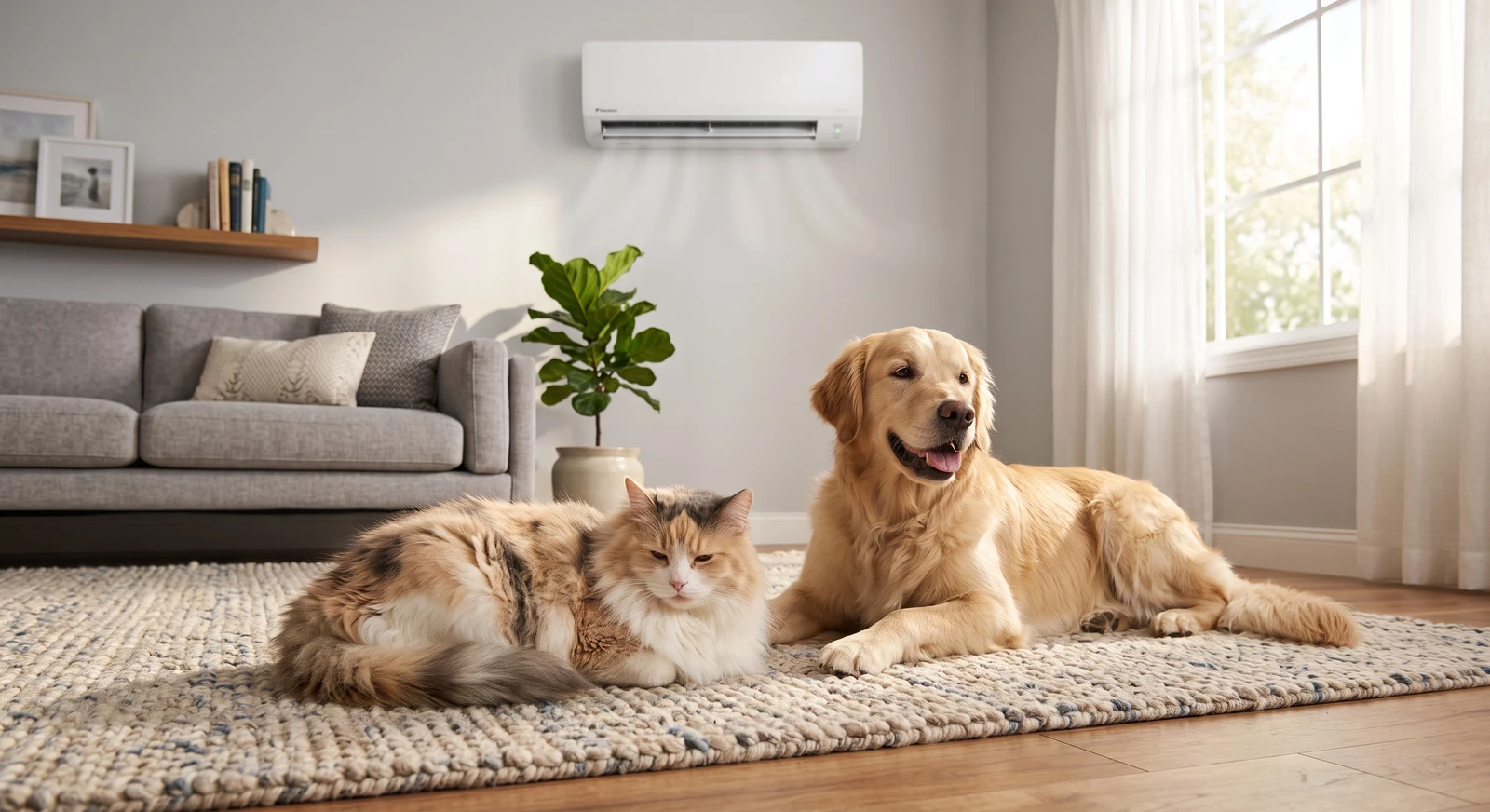
Air conditioners, which cool our homes during the extremely hot and humid summer days of Mersin and Mezitli, can harbor some hidden threats to the health of pets.
Just as entering an air-conditioned room after the suffocating heat outside feels refreshing to us, cats and dogs quickly embrace these cool areas. However, their body temperature regulation mechanisms work very differently from ours. Sleeping directly under the AC breeze, exposure to sudden temperature changes, and the dehydrating effect of air conditioning on the air pave the way for various respiratory and musculoskeletal disorders in our pets.
To prevent issues such as AC cold and muscle stiffness, which are frequent reasons for visits to our clinics during summer, we examine the symptoms, medical causes, and preventive veterinary measures of air conditioner exposure in detail in this guide.
In This Guide, You Will Learn
- 1What is Air Conditioner Exposure? Body Temperature Balance in Cats and Dogs
- 2Comparison Table of Air Conditioner Exposure Symptoms
- 3AC Cold (Upper Respiratory Tract Infection) Symptoms
- 4The Insidious Effect of Cold Air Flow: Muscle Stiffness and Spasms
- 5Correct Use of Air Conditioning at Home and Preventive Measures
- 6Sources and Notes
- 7Frequently Asked Questions
01What is Air Conditioner Exposure? Body Temperature Balance in Cats and Dogs
Cats and dogs only have sweat glands on their paw pads. They balance their body temperature mainly through the respiratory tract by panting. Entering a suddenly cooled room or lying directly in the direction of the AC airflow disrupts this delicate thermoregulation (body temperature balance) system.
Shifting from a 35-40 degree outdoor temperature to an 18-20 degree air-conditioned room suddenly drops body resistance. This rapid temperature change weakens the protective mucosal barrier in the respiratory tract of pets, creating a favorable environment for pathogens (bacteria and viruses) to multiply.
02Comparison Table of Air Conditioner Exposure Symptoms
| Process | Mild Stage Symptoms | Severe (Urgent) Stage Symptoms | Precautions at Home |
|---|---|---|---|
| Respiratory Signs | Occasional sneezing, mild clear nasal discharge, dry nose. | Inflammatory discharge in the eyes, wheezing, persistent cough. | Direct the AC louvers upward and ventilate the room frequently. |
| Body Resistance & Energy | A slightly higher desire to sleep than usual. | Prominent lethargy, loss of appetite, high fever. | Do not let the room temperature drop below 23-24 degrees. |
| Muscle & Movement | Mild stiffness after waking up, slow movements while stretching. | Severe limping, groaning in pain when the back is touched, inability to walk. | Prevent your pet from lying directly under the AC or on cold tiles. |
| Eye and Mouth Health | Mild redness or watering in the eyes. | Conjunctivitis (eye inflammation), constant blinking, corneal dryness. | Clean the AC filters at least once a month. |
Respiratory Signs
Body Resistance & Energy
Muscle & Movement
Eye and Mouth Health
03AC Cold (Upper Respiratory Tract Infection) Symptoms
We must remember that air conditioners not only cool the air but also significantly absorb the humidity in it. Dry air dehydrates the natural moist protective layer (mucosa) inside the nose and throat of cats and dogs. When this protective shield weakens, environmental bacteria and viruses colonize the respiratory tract much more easily.
The first symptoms you will notice when your pet develops an AC cold are frequent sneezing, a dry cough, and nasal discharge. This may be accompanied by redness, discharge, and watering in the eyes due to conjunctivitis. If this process is left untreated or if the animal continues to be exposed to cold air drafts, the infection can travel down to the lower respiratory tract, leading to life-threatening conditions such as bronchitis or pneumonia.
04The Insidious Effect of Cold Air Flow: Muscle Stiffness and Spasms
Localized muscle stiffness frequently occurs in cats and dogs that sleep for long periods directly where the cold air of the AC blows (for example, on the hardwood floor or sofa under the AC). The cold air flow causes the capillaries in the muscle tissue to constrict (vasoconstriction) and slows down blood circulation.
Muscle fibers with slowed circulation lack oxygen and spasm. This situation leads to severe muscle stiffness (myositis) or spasms in the neck, back, and lumbar regions of your pet. Symptoms like difficulty getting out of bed in the morning, slow walking, reacting with pain when touched, or groaning when picked up are the most typical signs of muscle pain due to cold exposure. Especially elderly pets with joint disorders are affected much more severely.
05Correct Use of Air Conditioning at Home and Preventive Measures
Turning off the air conditioners completely in our homes is not a rational solution, as it would create a heatstroke risk for pets. The important thing is to use the AC consciously to protect their health:
- Balance the Room Temperature: Keep the AC temperature ideally at 23-24 degrees. Conversely, overcooling the room (18-20 degrees) breaks down body resistance.
- Direct the Louvers Upward: Fix the AC blow louvers (swing) pointing upwards. Prevent the cold air from blowing directly onto your cat’s or dog’s sleeping areas.
- Perform Regular Filter Cleaning: AC filters collect hair, dust, and microorganisms floating in the air. Failure to clean filters regularly can cause bacterial infections to spread throughout the room.
- Provide a Gradual Transition: Do not immediately bring your dog, who has come in from the hot weather outside, into an ice-cold room. Let their body temperature stabilize gradually.
- Change the Bed Location: Place your companion’s bed or their most frequented cushion in a cozy corner where they will not face direct AC airflow.
As Anka Veterinary Clinic in Mersin Mezitli, we carry out comprehensive diagnostic and treatment protocols for our friends who present with complaints of AC exposure, respiratory tract infections, and muscle spasms in the summer months. In respiratory tract infections, we evaluate general clinical findings using X-rays and laboratory analyses to understand if the infection has spread to the lungs. As part of medical treatment, we apply aerosol therapies with the help of a nebulizer, which relieves the airways and moisturizes the mucosa.
For our patients experiencing muscle spasms and severe stiffness, we design cold laser therapies, electrotherapy, and muscle-relaxing medical treatments under veterinary supervision in our orthopedics and physical therapy unit to quickly relieve pain. You can make use of our general examination services for routine health follow-ups to ensure your pet spends the summer comfortably.
Short Summary
Direct exposure to air conditioning draft can trigger muscle spasms, respiratory irritation, and joint stiffness in pets. Ensuring safe cooling distances protects against thermal shock.
A Note from Mersin Ankavet Veterinary Clinic
While turning off ACs completely in summer poses a risk of heatstroke for our friends, unconscious AC use leads to respiratory infections and spasms. It is of critical importance to position the AC so that it does not blow directly on ypets and not to neglect filter cleaning. We recommend consulting your veterinarian in case of a persistent cough or mobility restriction.
Book an AppointmentRelated Blog Posts
Sources and Notes
- ASPCA - Hot Weather Safety Tips for Pets
- Merck Veterinary Manual - Respiratory System Disorders in Animals
This content has been prepared for informational purposes and does not replace a professional veterinary examination.
Frequently Asked Questions
Does AC cause colds in cats and dogs?
Yes. Air conditioners dry the air by drawing out the moisture in the room. The dried air weakens the respiratory tract mucosa of cats and dogs, allowing airborne viruses or bacteria to easily settle, thereby causing upper respiratory tract infections (AC cold).
How does direct AC airflow affect the animal’s muscles?
Direct cold wind causes blood vessels under the skin to constrict rapidly. When oxygen and blood flow to the muscle decrease, spasms (myositis) occur, especially in the neck, back, and lower back muscles, leading to severe pain and limping.
What is the ideal AC temperature for pets?
To ensure cats and dogs feel comfortable and do not experience sudden thermal shock, the ideal room temperature should be maintained between 23 and 24 degrees. Care should be taken not to have a very high temperature difference between outdoors and indoors.
What illnesses are triggered if the AC filter is not cleaned?
Dust mites, bacteria, and fungal spores accumulating on uncleaned AC filters scatter inside the house when the device runs. This triggers allergic asthma attacks, eye infections, and various respiratory diseases in pets.
How should a pet suffering from AC cold be cared for at home?
First, they should be moved away from the AC airflow into a warm, draft-free room. They should be encouraged to drink plenty of fresh water, and the room’s air should be humidified by opening windows. If symptoms do not ease, medical support from a veterinarian must be sought.
Can a dog limping after sleeping under the AC be caused by the AC?
Yes, this is a very common condition. Especially when lying on cool floors like tiles, dogs subjected to cold AC air experience joint and muscle stiffness. They may face difficulty taking steps, arching their backs, or limping when they wake up in the morning.
Related Service
General Examination
For clinical evaluation and a care plan, review the service page connected to this guide.
View ServiceMedical Information Note
This content is for general information only. It does not replace a veterinary examination, diagnosis, treatment, or specific medication/food recommendations. A veterinary examination and individual assessment are required for your pet’s health. In case of emergency symptoms, please contact the nearest open veterinary clinic.
MERSIN MEZITLI PET CARE
Need Professional Guidance for Your Pet?
Are you in Mersin Mezitli? If you notice these symptoms or have any concerns about your pet’s health, consult our AnkaVet veterinarians immediately. English and Russian-speaking support is available!
Your pet deserves quality care.
Get in touch today to discuss your pet’s health or schedule a consultation.