Canine Seawater (Salt) Toxicity Symptoms and Post-Swim Ear Cleaning
Sedat Çapanoğlu, DVM
Anka Veterinary Clinic
Last updated:
Mustafa Kemal University graduate (2018). After clinical experience in Mersin and a short period in municipal shelter practice, he takes an active role in surgery, emergency care, dental health, and diagnostics.
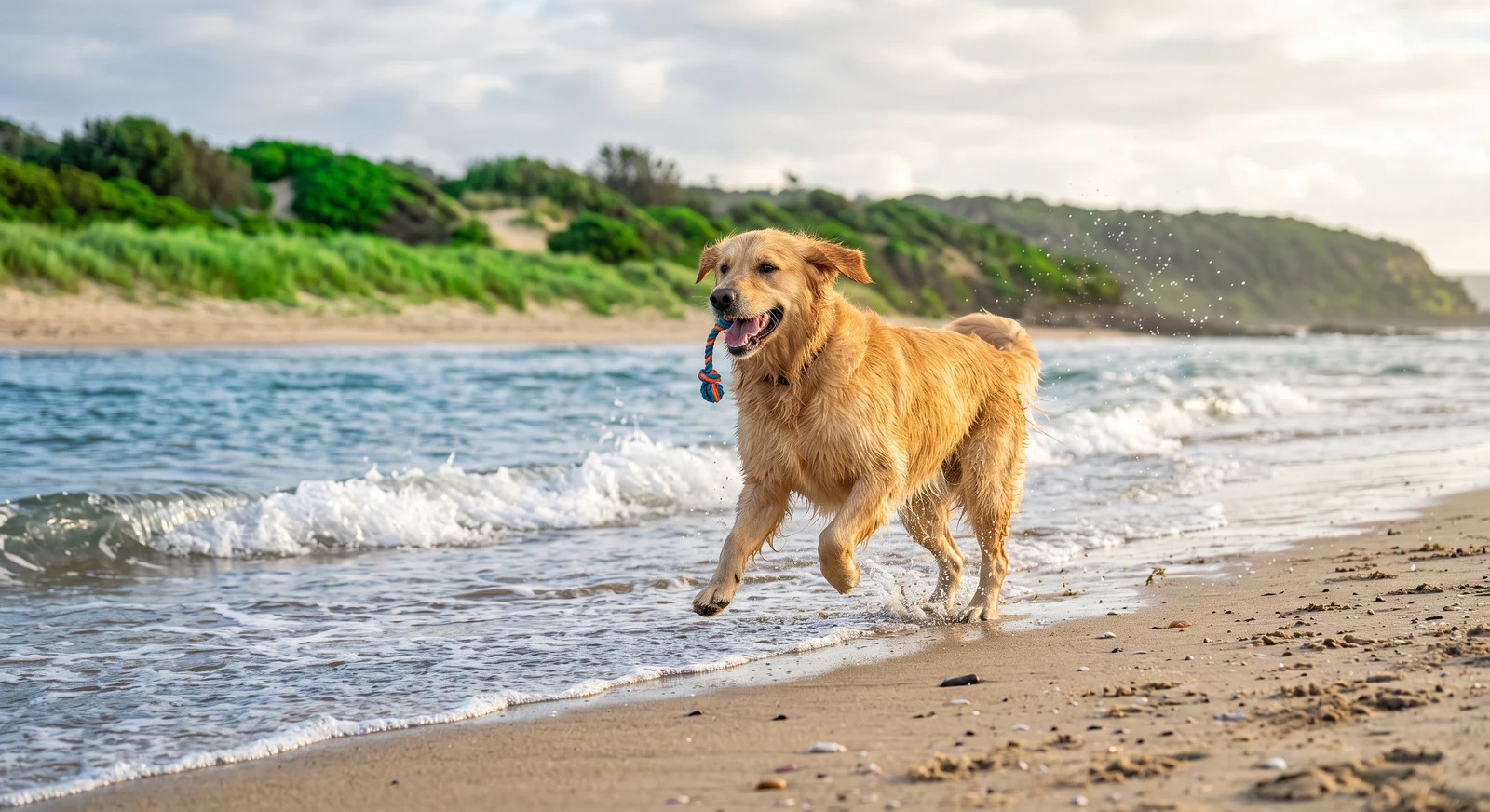
Spending time on the beach with pets during the hot summer days in Mersin and Mezitli is a wonderful activity, but seaside fun can bring along some hidden health risks.
The joy of dogs playing with the waves and chasing thrown toys across the sands, especially along the Soli Beach dog walking routes and Kültür Park beaches, warms all our hearts. The gentle sea breeze and the refreshing effect of the ocean offer them a fantastic opportunity for physical and mental activity.
However, seaside fun sometimes brings along hidden health issues we might not even notice. Salt toxicity from swallowing seawater and stubborn ear infections caused by trapped moisture rank among the top reasons for summer admissions to Mersin veterinary clinics. To ensure your dog’s joyful beach day doesn’t turn into a distressing emergency, we explain the signs of these hidden dangers, early intervention methods, and preventive care steps.
What Will You Learn in This Guide?
- 1The Invisible Danger: What is Salt (Seawater) Toxicity in Dogs?
- 2Salt Toxicity Comparison Table
- 3Recognizing the Symptoms: How to Tell if Your Dog Swallowed Too Much Seawater?
- 4The Silent Enemy After the Sea: Risks of Ear Infections (Otitis)
- 5Step-by-Step Proper Ear Cleaning and Protection Methods
- 6Sources and Notes
- 7Frequently Asked Questions
01The Invisible Danger: What is Salt (Seawater) Toxicity in Dogs?
Dogs joyfully swimming among the waves or retrieving balls thrown into the sea constantly swallow seawater without realizing it during play. While a few sips of seawater usually pass with mild stomach upset, large amounts of saltwater swallowed in the heat of the game suddenly spike blood sodium levels to dangerous heights. This condition, which we call 'Hypernatremia' in medicine, completely disrupts cellular dynamics.
Excess salt accumulating in the blood rapidly draws clean water out of the cells due to osmosis. Cells shrink due to this sudden water loss. While muscle and organ cells are affected, the real major and hard-to-reverse damage occurs in brain tissue. The shrinkage of brain cells followed by rapid swelling as they take in water (cerebral edema) transforms seawater toxicity in dogs from a simple digestive issue into a direct neurological emergency.
02Salt Toxicity Comparison Table
| Process | Mild Stage Symptoms | Severe (Emergency) Stage Symptoms | What to Do at Home |
|---|---|---|---|
| Digestion | Mild vomiting, loss of appetite, stomach rumbling. | Bloody or extremely severe watery diarrhea, unstoppable retching. | Offer small amounts of fresh, plain water in frequent sips. |
| Energy and Movement | General fatigue, desire to sleep. | Staggering while walking, muscle tremors, inability to stand. | Do not force the dog to walk; lay them down in a cool, shaded place. |
| Consciousness and Neurological | Uninterested in surroundings but responds to their name. | Completely unresponsive to surroundings, having seizures, or in a coma. | Never wait at home; head to the clinic immediately without wasting time. |
| Fluid Consumption | Slightly increased desire to drink water than normal. | Instantly vomiting the water they drink, excessively dry gums. | Do not try to force-feed water; fluid can easily aspirate into the lungs. |
Digestion
Energy and Movement
Consciousness and Neurological
Fluid Consumption
03Recognizing the Symptoms: How to Tell if Your Dog Swallowed Too Much Seawater?
If a dog swallows seawater, the body tries to rapidly flush this excess salt out of the system. Therefore, the first symptoms we encounter are usually sudden and severe vomiting and watery, explosive diarrhea that appear right after returning from the beach or within a few hours. Since water absorption in your dog’s intestines stops, the body rapidly dries out (dehydration begins).
Excessive thirst, constant attempts to drink water, and noticeable lethargy follow these initial warning signals. If the salt in the blood starts affecting the neurological system, the situation escalates to a much more critical stage. If you notice muscle twitching and tremors, staggering while walking (a drunken state), disorientation, or unresponsiveness in your dog, the alarm bells are ringing. Eventually, epileptic-like seizures occur. When you notice any of these symptoms, you must seek immediate veterinary intervention instead of waiting at home.
04The Silent Enemy After the Sea: Risks of Ear Infections (Otitis)
Although not as fatal as salt toxicity, ear health is another problem we frequently encounter after beach fun that deeply affects dogs' quality of life. Dogs' ear canals are deeper and have an 'L'-shaped curved structure compared to humans. When a dog swims or dives into waves, seawater enters this canal and easily gets trapped at the bottom of the curved structure.
Fine salt crystals and microorganisms in seawater rapidly irritate the ear mucosa. Add Mersin’s famous hot and humid weather to this, and a dark, irritated ear canal turns into a perfect breeding ground for bacteria and fungi (especially Malassezia yeasts). When ear cleaning is neglected in dogs, acute otitis (ear inflammation) characterized by severe itching, foul odor, constant head shaking to one side, and redness on the ear skin begins within just a few days.
05Step-by-Step Proper Ear Cleaning and Protection Methods
Protecting your friend’s ears after a sea bath actually consists of a few simple but vital steps:
- Let Them Shake: Allow your dog to shake their head after getting out of the water to naturally expel excess water from the canal.
- Use the Right Solution: For ear cleaning, only choose veterinary ear solutions recommended by your vet that match the ear pH flora of dogs and have drying properties.
- Avoid the Cotton Swab Mistake: The most dangerous mistake made at home is using human cotton swabs on dogs. Cotton swabs push dirt, salt, and moisture much deeper, causing serious damage to the eardrum. They also scratch the delicate skin, increasing the risk of infection.
- Gentle Drying with Cotton: After dropping the solution into the ear and gently massaging the base, gently wipe only the outer parts you can see with a large makeup cotton pad or clean gauze. Never intervene in deep areas your fingers cannot reach.
As Mersin Ankavet Veterinary Clinic, we implement a rapid and professional medical protocol for patients admitted during the summer months with complaints of seawater toxicity and stubborn ear infections. We immediately admit friends suffering from fluid loss (dehydration) and neurological confusion due to excessive salt ingestion to our emergency and intensive care unit. Here, we start intravenous fluid (serum) therapy with balanced electrolytes to safely lower the suddenly spiked sodium levels in the blood and eliminate the risk of cerebral edema.
For complaints of post-sea ear itching, redness, or foul-smelling discharge, we start by performing a comprehensive general examination. We examine the integrity of the eardrum with an otoscopic examination, identify the type of infection (bacteria or fungi) using samples taken from inside the ear, and plan appropriate medical drop treatments. Remember that early diagnosis and correct treatment ensure that beach memories remain nothing but beautiful snapshots.
Short Summary
Moisture trapped in ears after swimming can rapidly progress to bacterial or fungal otitis externa. Gentle drying after water activities and routine ear hygiene prevent painful ear infections.
A Note from Mersin Ankavet Veterinary Clinic
Post-sea dog care is extremely important for a fun and safe holiday. Always keeping clean fresh water with you and properly cleaning your dog’s ears after getting out of the sea protects them from both salt toxicity and painful ear infections like otitis. We recommend consulting your veterinarian without delay in cases of fluid imbalance or persistent redness/odor in the ear.
Book an AppointmentRelated Blog Posts
Sources and Notes
- ASPCA - Hot Weather Safety Tips for Pets
- Merck Veterinary Manual - Salt Toxicosis in Animals
- Merck Veterinary Manual - Ear Infections and Otitis Externa in Dogs
This content has been prepared for informational purposes and does not replace a professional veterinary examination.
Frequently Asked Questions
What should I do at home if my dog drinks seawater?
If you notice your dog swallowing saltwater at the beach, take them to a shaded area immediately. Do not try to prevent vomiting or diarrhea; the body is trying to expel excess salt. Offer fresh, clean water in small, frequent sips, but do not force them to drink. If vomiting persists or staggering begins, contact your veterinarian immediately.
Does sea salt harm dogs' skin and ears?
Yes, the dense salt crystals in seawater irritate and severely dry the skin and ear mucosa. Salt accumulating in humid areas like the ears triggers bacterial and fungal growth, leading to severe itching and infection (otitis).
How many hours does it take for salt toxicity to appear?
Mild digestive symptoms (vomiting and diarrhea) usually start right after returning from the beach or within 1-2 hours. However, neurological signs (tremors, staggering, seizures) can appear suddenly 4 to 6 hours later, sometimes in the evening, depending on how fast blood salt levels rise.
How do I know if water got into my dog’s ear?
If your dog keeps their head tilted to one side, tries to rub their ears on the ground or carpet, and shakes their head violently after coming out of the sea, it means water and irritating salt have accumulated in their ear. A foul odor will also accompany this condition after a few days.
Can I use cotton swabs for ear cleaning at home?
Absolutely not. Cotton swabs are not suitable for canine anatomy. Instead of extracting water, dirt, and salt, they push them deeper into the ear canal, which can damage the eardrum or drive the infection deeper.
Is it correct to give fresh water to a dog that swallowed seawater?
Yes, offering clean and cool fresh water is the correct first step, but it should not be given in large amounts at once. A dog with a sensitive stomach drinking too much water at once will vomit again. Water should be offered in small portions at intervals.
Related Service
Emergency and Intensive Care
For clinical evaluation and a care plan, review the service page connected to this guide.
View ServiceMedical Information Note
This content is for general information only. It does not replace a veterinary examination, diagnosis, treatment, or specific medication/food recommendations. A veterinary examination and individual assessment are required for your pet’s health. In case of emergency symptoms, please contact the nearest open veterinary clinic.
MERSIN MEZITLI PET CARE
Need Professional Guidance for Your Pet?
Are you in Mersin Mezitli? If you notice these symptoms or have any concerns about your pet’s health, consult our AnkaVet veterinarians immediately. English and Russian-speaking support is available!
Your pet deserves quality care.
Get in touch today to discuss your pet’s health or schedule a consultation.