Can Diseases Be Transmitted from Street Cats to Indoor Cats? Virus and Parasite Risks
Şanssım Çapanoğlu, DVM
Anka Veterinary Clinic
Last updated:
Mustafa Kemal University graduate (2019). After internships in Adana and Izmir, she worked in clinical practice in Adana and focuses on preventive medicine and behavior.
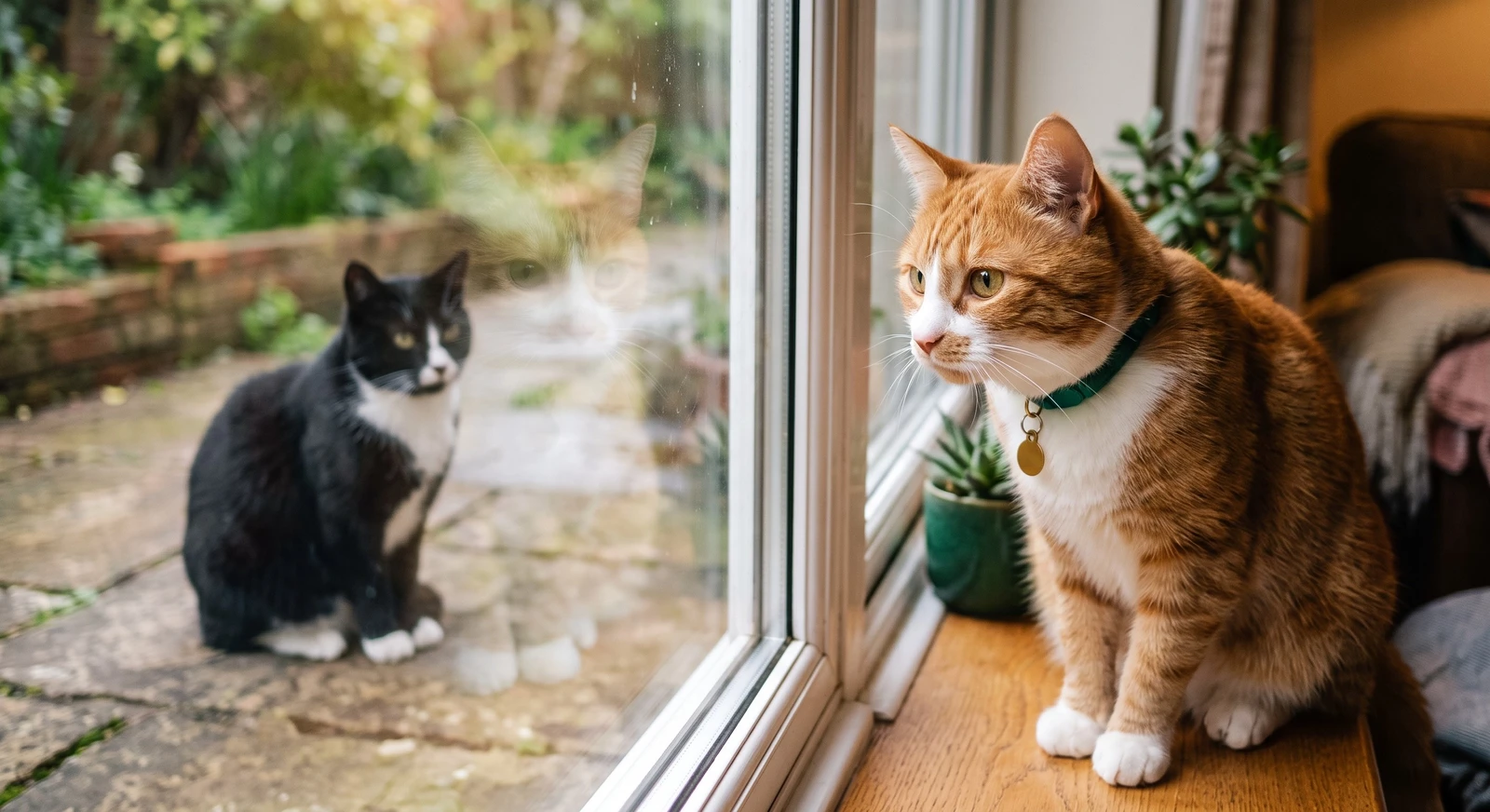
While supporting stray animals during the hot summer days in Mersin and Mezitli, protecting the health of our indoor cats requires great veterinary care.
The warm and mild Mediterranean climate of Mersin and Mezitli offers a habitable environment for stray animals year-round. The sensitivity of animal lovers living in this region towards feeding and protecting our friends on the streets is an admirable habit. However, while supporting the struggle for survival outside, it is of great importance to monitor the health of pets who live a sheltered life at home with the same meticulousness.
Most pet owners assume that an indoor cat living behind closed doors is completely isolated from diseases in the outside world. Can a disease be transmitted from a street cat? In veterinary medicine, even without direct contact, indirect transmission is highly possible. Petting a street cat, feeding it, or even just stepping on the soil it roams can carry viruses and parasites into the home. In this comprehensive guide, we explore the invisible risks awaiting indoor cats, feline viral diseases, and the vital shield of preventive medicine. At Anka Veterinary Clinic in Mersin Mezitli, we closely monitor your pet’s well-being with preventive care.
What Will You Learn in This Guide?
- 1Invisible Vectors: How Do Indoor Cats Contract Diseases?
- 2Feline Viral Diseases Comparison Table
- 3Most Common Risks: FIV, FeLV (Feline Leukemia), and FIP
- 4Hidden Danger: Parasite Eggs and Your Pet’s Health
- 5Protective Shield: Regular Vaccination and Parasite Management
- 6Sources and Notes
- 7Frequently Asked Questions
01Invisible Vectors: How Do Indoor Cats Contract Diseases?
Inanimate vectors, referred to as 'fomites' in medical terminology (shoes, clothes, hands, bags), pose the greatest danger in the infiltration of diseases into the home environment. When physical contact is established with an infected cat outside, or even just by walking through a park area where infected animals have deflected, microscopic pathogens adhere to shoe soles or fabric textures.
The Feline Panleukopenia Virus (FPV), known as feline distemper, exhibits extraordinary resistance to outdoor environmental conditions. This virus can survive in soil or on shoe soles for months, and even up to a year under certain harsh climatic conditions. An indoor cat that never steps outside sniffing the shoe rack or coming into contact with the unwashed hands of an owner who has just returned from outside can lead to the rapid transmission of these fatal viral diseases. A similar situation applies to parasite eggs. Therefore, regular preventive medicine practices are a critical medical necessity, even for cats that never leave the house.
02Feline Viral Diseases Comparison Table
| Viral Disease | Transmission Route | Indoor Symptoms | Veterinary Recommendation (Prevention) |
|---|---|---|---|
| FPV (Panleukopenia) | Feces, infected items, shoe soles | Severe vomiting, bloody diarrhea, high fever | Regular Combination Vaccine application |
| FeLV (Leukemia) | Saliva, shared food bowl, grooming | Weight loss, pale gums, chronic infection | Leukemia Vaccine and test protocols |
| FIV (Feline AIDS) | Deep bites, blood contact | Non-healing wounds, immune collapse | Restriction of outdoor access |
| FHV-1 / FCV (Feline Flu) | Sneezing (droplet route), clothing contact | Eye/nose discharge, mouth ulcers | Regular Combination Vaccine application |
FPV (Panleukopenia)
FeLV (Leukemia)
FIV (Feline AIDS)
FHV-1 / FCV (Feline Flu)
03Most Common Risks: FIV, FeLV (Feline Leukemia), and FIP
Feline Immunodeficiency Virus (FIV), Feline Leukemia Virus (FeLV), and Feline Infectious Peritonitis (FIP) are the leading viral diseases threatening cat health in the long term.
FIV (Feline Immunodeficiency Virus): Usually transmitted through severe fights and deep bite wounds among street cats, this disease targets the cat’s immune system. Transmission via shoes or clothing is very low; however, the risk is high if your indoor cat fights with another cat on the balcony or garden. The disease usually shows a silent progression, staying dormant for years.
FeLV (Feline Leukemia): Also known as the 'friendship disease,' FeLV is mostly transmitted through grooming, sharing food/water bowls, and close contact. A newly adopted kitten from outside must be tested for FeLV before being brought together with the existing cat.
FIP (Feline Infectious Peritonitis): A complex and highly fatal syndrome caused by the mutation of Feline Coronavirus (FCoV). Coronavirus spreads easily through feces in areas where cats live densely and can be carried home on shoes. It doesn’t turn into FIP in every cat; the genetic structure of the cat’s immune system and stress factors are the main triggers for this mutation.
04Hidden Danger: Parasite Eggs and Your Pet’s Health
In addition to viruses, another insidious threat brought by indirect contact with the stray population is parasites. There are thousands of microscopic parasite eggs in parks, lawns, or areas frequented by street cats. These eggs can attach to trousers or shoelaces and reach directly to the living room carpets.
Flea or tick larvae carried from outside develop rapidly in the ideal temperature of the home environment and infest the indoor cat’s coat. Dipylidium caninum (tapeworm), an internal parasite carried by fleas, settles in the intestines when the cat swallows the flea while grooming. In addition, swallowing roundworm eggs by licking from shoes leads to chronic diarrhea, vomiting, and nutritional disorders. Quality and regular parasite treatment is the most effective veterinary intervention to break this cycle.
05Protective Shield: Regular Vaccination and Parasite Management
The most rational and scientific way to protect pets from these invisible threats is a complete preventive medicine schedule. The thought 'My cat doesn’t go outside, no need for vaccine or parasite drops' becomes completely invalid considering the environmental transport mechanisms mentioned above.
Combination vaccine (Panleukopenia, Herpesvirus, Calicivirus) and Leukemia vaccine prepare the body’s defense mechanisms against viral diseases, allowing the disease to be mild or completely prevented in case of a possible virus contact. Periodic internal and external parasite applications serve as a critical shield for the protection of family members as well as the cat from zoonotic parasites. Regular monitoring of this schedule, especially during general examination processes, is of great importance.
Preventive medicine is the set of strategic measures taken before diseases knock on the door. As Anka Veterinary Clinic in Mersin Mezitli, we shape preventive medicine protocols according to the patient’s living space and regional risk factors, offering a modern service supported by digital tracking systems.
In the Mediterranean coastal region, where the stray animal population is dense, we manage vaccination and parasite schedules meticulously. We prevent delays with automatic SMS reminders sent to owners. We carry out all legal and medical procedures required for both routine protection and international travel and microchipping in accordance with official regulations. This systematic approach ensures that our friends are always safe from silent and invisible threats.
Short Summary
Feline viruses and parasite eggs can enter homes on footwear and clothing, posing risks to indoor cats. Regular vaccination and preventive parasiticide schedules remain essential for all cats.
A Note from Mersin Ankavet Veterinary Clinic
Feeding street cats and showing them affection is as valuable as paying attention to hygiene rules when returning home and consistently maintaining your indoor cat’s routine vaccination and parasite control schedule. Core vaccines and regular parasite applications are the strongest medical armor protecting our friends against invisible dangers that could seep in from the outside world.
Book an AppointmentRelated Blog Posts
Sources and Notes
- ASPCA - Pet Vaccination FAQ & Guidelines
- AAFP - Feline Vaccination Practice Guidelines & Resources
- Cornell Feline Health Center - Feline Infectious Peritonitis (FIP) Diagnosis and Management
This content has been prepared for informational purposes and does not replace a professional veterinary examination.
Frequently Asked Questions
What should I do when returning home after petting a street cat?
Not bringing outdoor shoes inside the house, washing hands and arms thoroughly with soap, and if possible, changing outerwear that has come into contact with street animals are sufficient and necessary steps to prevent potential transmission of viruses and parasites.
How often should external parasite drops be applied to an indoor cat?
To protect against flea and tick risks that can be carried from outside on shoes, even for indoor cats, external parasite applications should generally be repeated every 1 to 2 months, depending on the active ingredient of the preparation used and the protocol determined by the veterinarian.
Is the combination vaccine really mandatory for indoor cats?
Yes, it is absolutely mandatory. The Feline Panleukopenia (FPV) virus, which the combination vaccine protects against, can survive for months on inanimate surfaces (fomites) such as shoe soles, making it highly probable for it to be carried to an indoor cat that never goes outside.
Is it possible for roundworms to be transmitted to cats from shoes?
Yes, it is possible. Microscopic roundworm eggs mixed into the soil with feces of infected animals on the street can be carried to the home floors on shoe soles. Cats can ingest these eggs while grooming their paws or rolling on the floor, contracting internal parasite infections.
Can FIV (Feline AIDS) be transmitted to humans?
No. Feline Immunodeficiency Virus (FIV) is a species-specific virus unique to felines. Although its medical structure resembles the HIV virus in humans, FIV is absolutely not transmissible to humans, dogs, or other pet species.
Can diseases be transmitted if a street cat and an indoor cat sniff each other under the door?
Yes, situations such as mutual hissing under the door, nose-to-nose contact, or exchange of saliva carry a risk of transmitting diseases like Herpesvirus, Calicivirus, or FeLV (Leukemia), which are easily spread through respiratory and salivary pathways.
Related Service
General Examination
For clinical evaluation and a care plan, review the service page connected to this guide.
View ServiceMedical Information Note
This content is for general information only. It does not replace a veterinary examination, diagnosis, treatment, or specific medication/food recommendations. A veterinary examination and individual assessment are required for your pet’s health. In case of emergency symptoms, please contact the nearest open veterinary clinic.
MERSIN MEZITLI PET CARE
Need Professional Guidance for Your Pet?
Are you in Mersin Mezitli? If you notice these symptoms or have any concerns about your pet’s health, consult our AnkaVet veterinarians immediately. English and Russian-speaking support is available!
Your pet deserves quality care.
Get in touch today to discuss your pet’s health or schedule a consultation.