Healthy Nutrition and Pet Food Selection Criteria
Sedat Çapanoğlu, DVM
Anka Veterinary Clinic
Last updated:
Mustafa Kemal University graduate (2018). After clinical experience in Mersin and a short period in municipal shelter practice, he takes an active role in surgery, emergency care, dental health, and diagnostics.
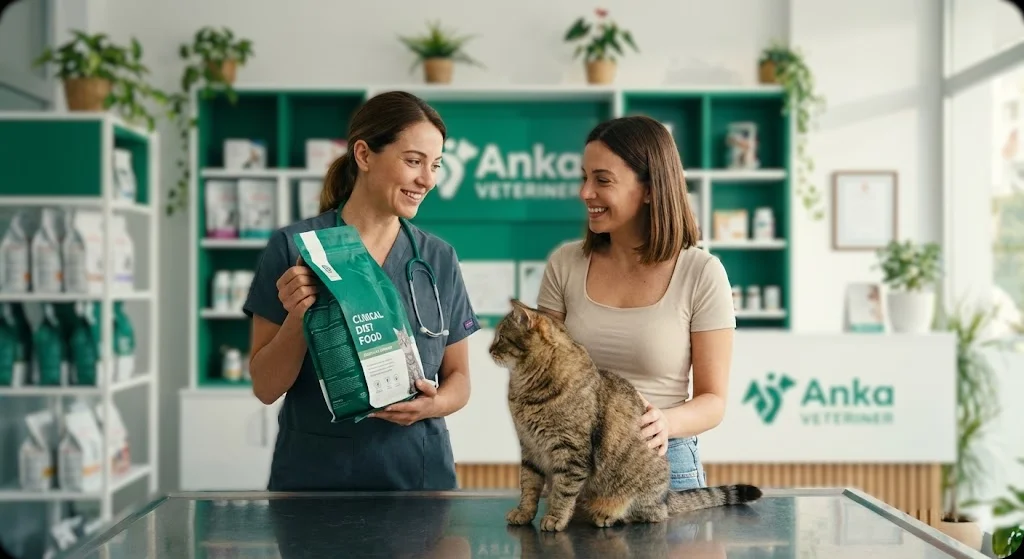
Proper nutrition is the cornerstone of a healthy and long life for pet companions. Choosing the most suitable diet among hundreds of pet food varieties on the market is not always straightforward.
In this guide prepared by the team at Anka Veterinary Clinic, the scientific criteria and label-reading tips to consider when selecting pet food are explained.
<span className="w-6 h-6 rounded-full bg-emerald-100 flex items-center justify-center"></span> What You Will Learn in This Guide
01First Ingredient: High-Quality Protein Sources
The protein source, product label, and nutritional analysis on the back of the package should be evaluated together. The ingredients list and nutritional analysis should be interpreted with a veterinarian. Thus, options with high-quality protein and verified digestibility can be selected.
"Nutrition is the primary barrier protecting your companion from diseases. Appropriate food selection is an integral part of preventive veterinary medicine."
02Alignment with Life Stage and Physical Activity Level
Puppies/kittens, adults, and senior cats or dogs have completely different energy, protein, and mineral requirements. For example, a growing puppy’s calcium requirement is not the same as a geriatric patient’s phosphorus intake, which needs restriction to protect kidney function. Similarly, formulas optimized for the reduced metabolic rates of neutered pets should be chosen.
03The Impact of Additives and Preservatives on Long-Term Health
Instead of artificial colorings and chemical flavor enhancers, additives and preservative information should be evaluated on the product label. Natural stabilizers reduce the chemical burden on the liver and kidneys.
04Special Nutritional Needs and Veterinary Evaluation
A standard nutritional approach may not be suitable for every animal in cases of kidney, liver, digestive system, joint-cartilage health, weight control, or suspected allergy. In such cases, the nutrition plan must be evaluated by a veterinarian. At Anka Veterinary Clinic in Mersin Mezitli, we closely monitor our patients with tailored preventive protocols.
Short Summary
Dietary mistakes in pets can trigger chronic conditions ranging from obesity to renal dysfunction. Avoiding toxic human foods and raw feeding risks while following veterinary-approved nutrition ensures healthy longevity.
Note from Mersin Ankavet
Small changes in dietary habits are the key to a long and healthy life for our companions. You can get professional support from our veterinarians on topics like obesity, food allergies, or age-specific nutritional planning.
Book AppointmentRelated Blog Posts
Kaynaklar ve Notlar
- AVMA - Pet Nutrition and Health Guidelines
- WSAVA Global Nutrition Guidelines
- AAHA Nutrition and Weight Management Guidelines
This content has been prepared for informational purposes and does not replace a professional veterinary examination.
Frequently Asked Questions
How should a food transition be made?
The transition process should be spread over 7 days. Mix 25% of the new food for the first 2 days, 50% for the next 2 days, 75% for the following 2 days, and switch completely by the end of the 7th day.
Isn’t home-cooked food healthier than dry food?
Boiled chicken or rice alone cannot provide the daily taurine, calcium, and vitamin balance they need. If home feeding is to be done, it should be prescribed under medical supervision.
My pet sheds a lot, does it have anything to do with food?
Yes, it can have a direct correlation. One of the biggest reasons for intense shedding outside of seasonal transitions is poor quality protein sources in the food.
Related Service
Nutrition and Diet
For clinical evaluation and a care plan, review the service page connected to this guide.
View ServiceMedical Information Note
This content is for general information only. It does not replace a veterinary examination, diagnosis, treatment, or specific medication/food recommendations. A veterinary examination and individual assessment are required for your pet’s health. In case of emergency symptoms, please contact the nearest open veterinary clinic.
MERSIN MEZITLI PET CARE
Need Professional Guidance for Your Pet?
Are you in Mersin Mezitli? If you notice these symptoms or have any concerns about your pet’s health, consult our AnkaVet veterinarians immediately. English and Russian-speaking support is available!
Your pet deserves quality care.
Get in touch today to discuss your pet’s health or schedule a consultation.