Protecting Pets from Heatstroke in the Mersin Heat: Symptoms, Prevention, and Emergency First Aid Guide
Şanssım Çapanoğlu, DVM
Anka Veterinary Clinic
Last updated:
Mustafa Kemal University graduate (2019). After internships in Adana and Izmir, she worked in clinical practice in Adana and focuses on preventive medicine and behavior.
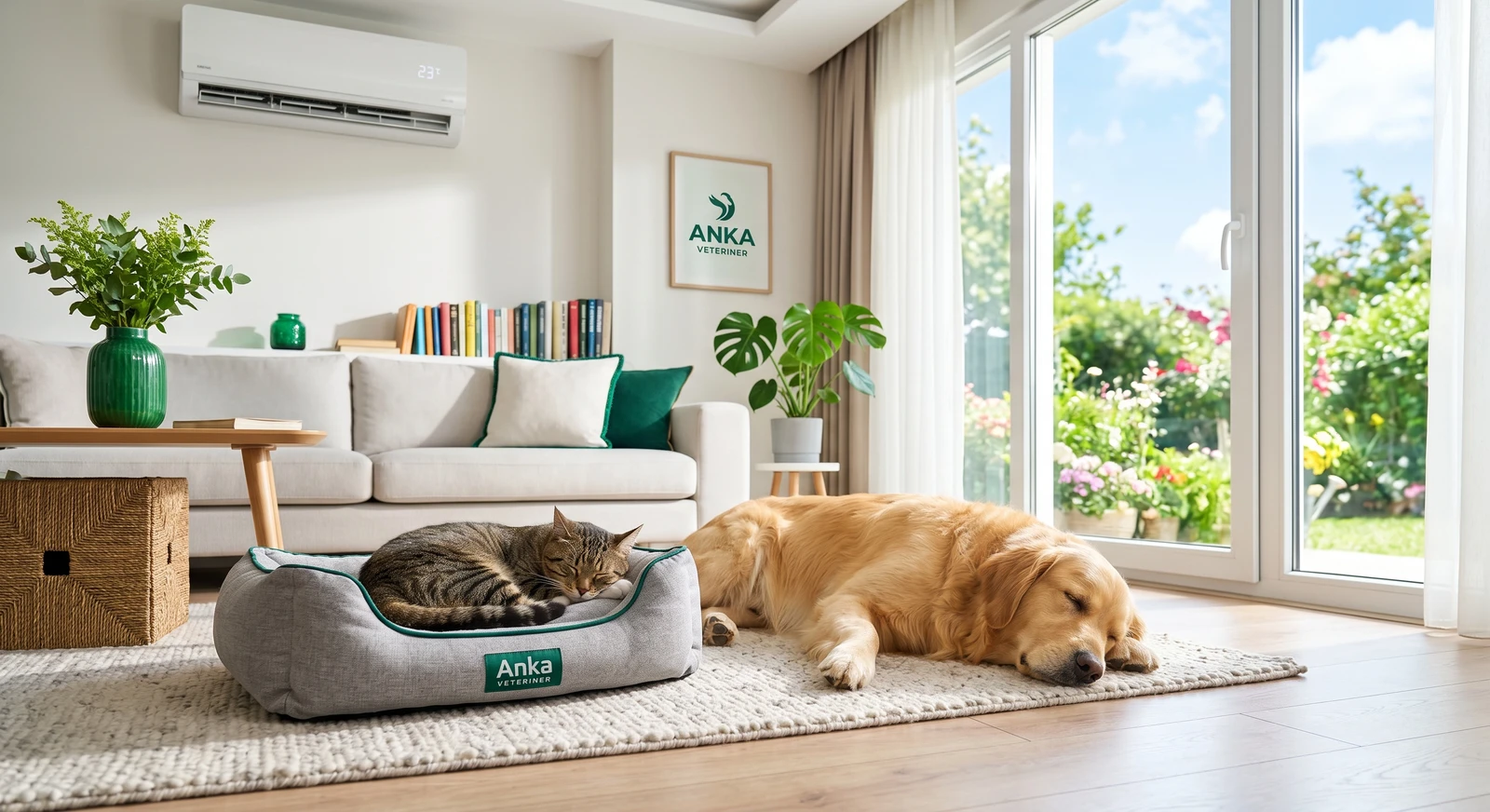
Mersin’s long, sunny summer season brings enjoyable evening walks by the coast and wonderful opportunities to connect with nature. However, you should know that when this beautiful weather combines with scorching heat and high humidity, it can pose a silent and serious threat to furry friends.
Humans can cool down by sweating and adjusting clothing to the weather; but pets have very limited defense mechanisms against the heat due to their thick coats. The Mersin heat and intense humidity push the limits for cats and dogs as well. Heatstroke (hyperthermia) is not merely an uncomfortable condition; it is a critical medical emergency that can progress within minutes, leading to irreversible organ damage and even loss of life. Anka Veterinary Clinic in Mersin Mezitli shares everything needed to know in this guide to prevent these increasingly common summer cases and help pets enjoy a safe, comfortable summer.
What You Will Learn in This Guide
- 1What is Heatstroke (Hyperthermia)?
- 2What Are the Symptoms of Heatstroke in Pets?
- 3Heat Exhaustion vs. Heatstroke Comparison
- 4How to Administer First Aid at Home for a Heatstruck Cat or Dog?
- 5Staying Cool at Home: Common Myths About AC and Fan Use
- 6Outdoor Safety: Summer Walks and Asphalt Heat (The 5-Second Rule)
- 7Preventing Dehydration: Proper Hydration and Food Freshness
- 8Emergency Intervention and Appointment Planning in Mersin Mezitli
- 9Sources and Notes
- 10Frequently Asked Questions
01What is Heatstroke (Hyperthermia)?
Heatstroke, medically known as hyperthermia, occurs when an animal’s body temperature rises far beyond safe, normal limits (typically between 38-39°C) and the body loses its ability to cool itself. Unlike humans, cats and dogs cannot sweat all over their bodies. They rely primarily on the small sweat glands in their paw pads and, mostly, on panting to expel hot air and draw in cooler air.
However, when the air temperature and humidity are extremely high (especially in regions like Mersin), this panting mechanism becomes insufficient. The critical process begins when the body temperature exceeds 41°C. Cell membranes begin to suffer damage, and proteins start to break down. If intervention is delayed, fatal conditions such as brain edema, kidney failure, coagulation disorders, and multiple organ failure can develop in a matter of seconds. This is one of the most dangerous summer emergencies, requiring immediate emergency and intensive care intervention.
02What Are the Symptoms of Heatstroke in Pets?
Heatstroke doesn’t happen suddenly; the body gives you warning signs. You may observe the following symptoms as heatstroke develops in dogs or dehydration sets in cats:
03Heat Exhaustion vs. Heatstroke Comparison
| Topic | Heat Exhaustion (Early Stage) | Heatstroke (Emergency) | What to Watch for at Home |
|---|---|---|---|
| Consciousness | The animal is tired but responsive to its surroundings. | Consciousness is clouded, response is weak, or fainting occurs. | Check if your dog responds when you call their name. |
| Breathing | Faster than normal but regular breathing. | Frantic, uncontrolled, and noisy (wheezing) breathing. | Pay attention to whether they are struggling to breathe. |
| Mucous Membranes (Gums) | May be slightly reddish. | May turn dark red, purplish, or grayish. | Gently lift their lips to check gum color. |
| Mobility | Reluctance to move, heavy steps. | Loss of balance, stumbling, tremors, or seizures. | If they are shaky when trying to stand, it is an emergency. |
Consciousness
Breathing
Mucous Membranes (Gums)
Mobility
04How to Administer First Aid at Home for a Heatstruck Cat or Dog?
If you suspect your friend is suffering from heatstroke, the time before you reach the veterinarian is critical. Here are the steps you must take, and absolutely must avoid:
05Staying Cool at Home: Common Myths About AC and Fan Use
Air conditioners are highly effective during Mersin’s stifling days, but care is required when using them around pets. You must ensure the AC is not blowing directly onto the pet. Additionally, suddenly dropping the AC temperature to very low levels can pave the way for upper respiratory infections and muscle stiffness; an ideal room temperature is between 24-25°C.
Another common misconception is about fans. Because humans sweat, the airflow created by a fan cools them down by promoting evaporation. However, since dogs and cats only sweat through their paw pads (and their bodies are covered in thick fur), a fan’s breeze does not cool them directly. A fan only serves to circulate the air in the room; it is not a standalone heatstroke preventer. The article on Mersin humidity and skin health examines the irritations that humid weather can cause on the skin.
06Outdoor Safety: Summer Walks and Asphalt Heat (The 5-Second Rule)
Walking your dog on the Mezitli coastline is enjoyable, but timing is everything in the summer. Dogs should absolutely not be taken on long walks or exercised during the hottest hours of the day, between 11:00 AM and 4:00 PM. Walks should be shifted to the early morning or the cooler hours after sunset.
'Dogs locked in cars' cases are unfortunately among the most tragic situations encountered every summer. The thought of 'I’m just popping into the market for five minutes, and leaving the window cracked a bit' is fatal. Even in a shaded area, the interior of a car can create an oven effect and exceed 50°C within 10 minutes. Pets must never be left alone in parked vehicles.
Another major danger in the summer is heated surfaces. Asphalt and sand absorb sunlight, reaching temperatures far higher than the air temperature. This can cause severe, painful burns and blisters on your pet’s paw pads. Be sure to apply the 5-Second Rule: Before heading out for a walk, place the back of your hand on the asphalt or ground. If you cannot hold it there for 5 seconds without burning your hand, the ground is not safe for your pet’s paws either.
07Preventing Dehydration: Proper Hydration and Food Freshness
Fluid loss (dehydration) happens much faster in hot weather. You should place multiple water bowls in different corners of the house, in cool areas. Using water fountains (flowing water) is a great method to encourage cats to drink, reducing the risk of dehydration in felines. Adding a piece or two of ice to the water can help it stay cool for longer.
Regarding nutrition, keep in mind that wet foods (canned food) or homemade meals will spoil very quickly and breed bacteria at room temperature during the summer. Uneaten wet food should be removed within 20-30 minutes; otherwise, you are inviting food poisoning.
08Emergency Intervention and Appointment Planning in Mersin Mezitli
Mersin Ankavet provides services to protect pet health during Mersin’s challenging summer conditions. Throughout the summer, general examinations are performed to assess overall health, heart, and respiratory systems, checking how prepared pets are for the heat.
Obese pets, those with heart conditions, or short-nosed (brachycephalic) breeds like Pugs and French Bulldogs who suffer from respiratory difficulties are at high risk for heatstroke, and special cooling and care plans are created for them. In any emergency, professional veterinary intervention is available with procedures such as cooling therapies, oxygen support, and fluid (IV) replacement in a clinical setting.
Short Summary
Mersin’s summer heat is unfortunately a serious risk factor for pets. Heatstroke (hyperthermia) is a condition where body temperature reaches dangerous levels, leading to organ damage and requiring emergency veterinary intervention. Excessive panting, drooling, loss of balance, or darkening of the gum color are the first warning signs.
To protect your friend from this danger, summer walks should be done in the early morning or late evening, the 5-second rule should be applied to protect their paws, and they should never be left alone inside a vehicle. As first aid at home, only a gradual cooling process with room-temperature water should be applied; ice must never be used. Remember, with early awareness and proper climate control strategies, you can have a much safer and more enjoyable summer with your pet.
Note from Mersin Ankavet
Protecting companion animals in the scorching heat of Mersin is a vital responsibility. Early detection, proper climate control, and correct first aid actions save lives. Support is available to check pet heat tolerance and take protective measures.
Book AppointmentRelated Blog Posts
Sources and Notes
- AVMA (American Veterinary Medical Association) - Warm Weather Pet Safety
- BVA Supported Campaign - Heatstroke in Dogs
- RSPCA - Summer Pet Care and Heat Protection
This content has been prepared for informational purposes and does not replace a professional veterinary examination.
Frequently Asked Questions
Is a fan alone enough to cool down cats and dogs?
No, it is not enough. Humans cool down with the airflow created by a fan because we sweat. However, since cats and dogs only sweat through their paw pads, a fan does not cool them directly; it only circulates the air in the room.
Is it correct to apply cold water or ice to a heatstruck pet?
It is absolutely wrong. Ice or excessively cold water causes the blood vessels on the skin surface to constrict rapidly, trapping the hot blood inside the organs. This can lead to shock and much faster organ failure. Room temperature (cool) water should always be used.
Is it necessary to shave pets' fur to reduce the risk of heatstroke?
No. Just as fur protects them from the cold in winter, it provides insulation against the scorching sun and hot air in the summer. Shaving the fur down to the skin increases the risk of sunburn. Maintaining and brushing the undercoat is much healthier.
At what times of the day should dogs be walked in the summer?
In the summer, dogs should not be walked between 11:00 AM and 4:00 PM, when the sun is at its peak and the ground is very hot. Ideal walking times are the very early hours of the morning or the evening hours after sunset.
How can we encourage cats to drink more water in hot weather?
You can place multiple water bowls in different, cool corners of the house. Since cats love flowing water, water fountains are highly effective. Additionally, adding a little water to their dry food or increasing the proportion of wet food also supports fluid intake.
Is there a risk of heatstroke leaving permanent damage?
Yes. If the body temperature rises too high and the critical time limit is exceeded, the risk of leaving permanent damage such as brain edema, kidney or liver failure, and coagulation problems is unfortunately very high. Therefore, early intervention and reaching the clinic without delay are vital.
Related Service
General Examination
For clinical evaluation and a care plan, review the service page connected to this guide.
View ServiceMedical Information Note
This content is for general information only. It does not replace a veterinary examination, diagnosis, treatment, or specific medication/food recommendations. A veterinary examination and individual assessment are required for your pet’s health. In case of emergency symptoms, please contact the nearest open veterinary clinic.
MERSIN MEZITLI PET CARE
Need Professional Guidance for Your Pet?
Are you in Mersin Mezitli? If you notice these symptoms or have any concerns about your pet’s health, consult our AnkaVet veterinarians immediately. English and Russian-speaking support is available!
Your pet deserves quality care.
Get in touch today to discuss your pet’s health or schedule a consultation.