Hidden Dangers at Home: Toxic Houseplants and Household Items for Cats and Dogs
Sedat Çapanoğlu, DVM
Anka Veterinary Clinic
Last updated:
Mustafa Kemal University graduate (2018). After clinical experience in Mersin and a short period in municipal shelter practice, he takes an active role in surgery, emergency care, dental health, and diagnostics.
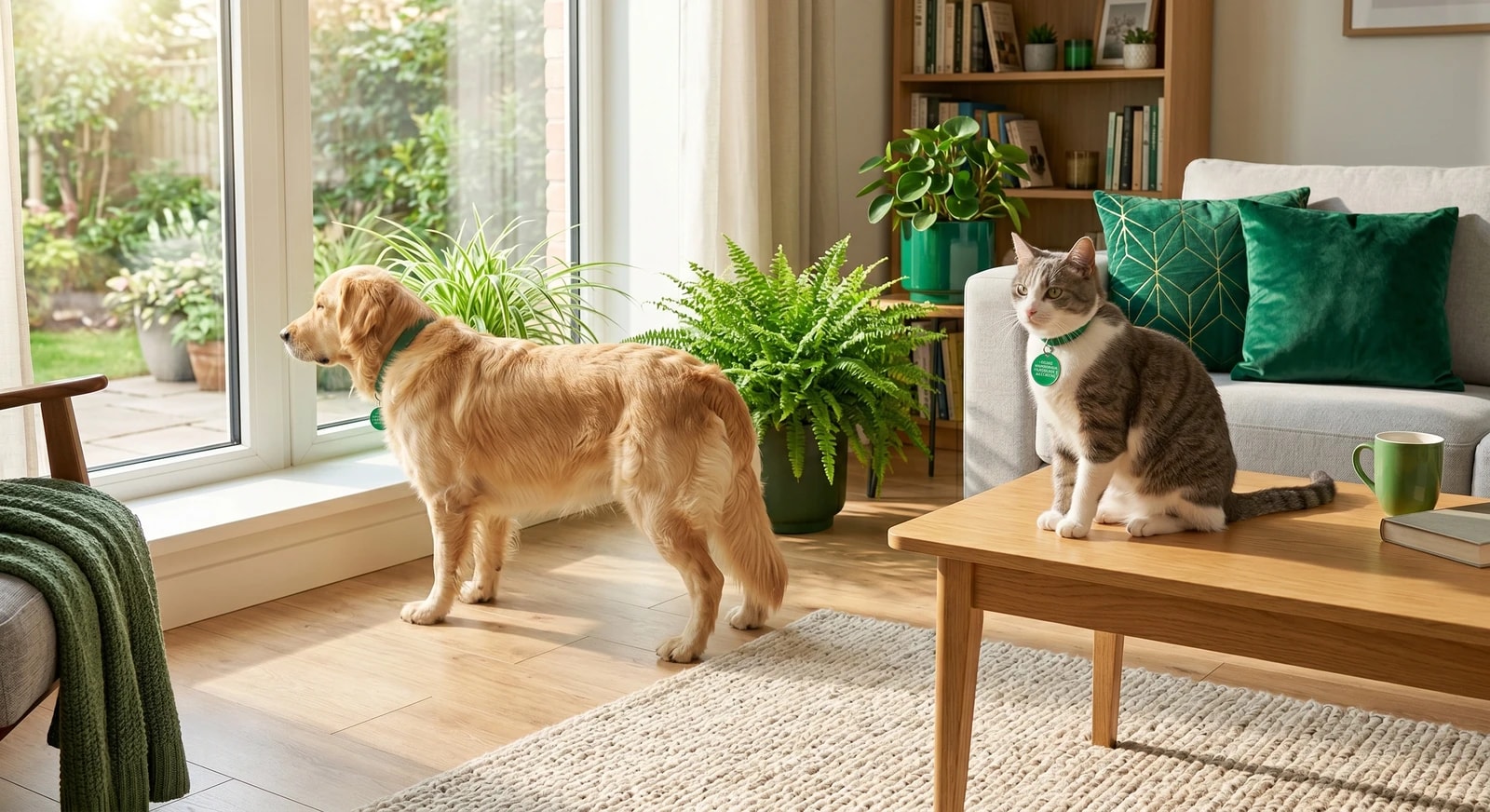
In the warm climate of Mersin and Mezitli, homes serve as peaceful sanctuaries away from the hustle and bustle of the outside world, yet they can harbor many unnoticed hidden dangers for pets. While many fill living rooms with various plants to add greenery and freshen the air, the potentially devastating effects these plants can have on furry friends might be overlooked. An innocent-looking potted plant in the corner or a small hair tie left on the coffee table can turn into life-threatening medical emergencies when combined with the natural curiosity of cats and dogs. This stems from the fact that, in their world, sniffing and tasting are fundamental ways to explore and make sense of their environment.
Ensuring indoor safety, one of the core principles of preventive medicine, is just as valuable as treating diseases. This comprehensive guide explores the medical background of hidden hazards that cause systemic poisoning and mechanical obstructions in pets, the initial warning signs of poisoning, and pet-friendly plant alternatives that can be used without risking home life, all from a professional veterinary perspective.
What You Will Learn in This Guide
- 1Popular Houseplants That Decorate Homes But Poison Pets
- 2Comparison of Toxic Effects and Safe Alternatives
- 3Pet-Friendly: Harmless Plants Safe for Living Rooms
- 4Hazards Beyond Plants: Cleaning Chemicals and Small Household Items
- 5Poisoning Symptoms in Pets: When to Rush to the Clinic Without Delay?
- 6Ways to Turn Your Home into a “Paw-Friendly” Safe Living Space
- 7Emergency Intervention for Home Poisonings in Mersin Mezitli
- 8Appointment Planning at Anka Veterinary Clinic
- 9Sources and Notes
- 10Frequently Asked Questions
01Popular Houseplants That Decorate Homes But Poison Pets
Plants that secrete toxic substances to protect themselves in nature pose a silent threat to cats and dogs in the home environment. The leaves, roots, or pollen of these plants can lead to severe organ damage when ingested, or even just upon contact.
- Lily (Liliaceae) Family: These are among the most deadly and toxic plants for cats. The leaves, petals, pollen, or even the water in the vase of a lily plant are toxic enough to cause acute kidney failure.
- Dieffenbachia: Due to the calcium oxalate crystals found in its leaves, ingestion causes difficulty chewing, severe irritation in the mouth, excessive drooling, and edema that can lead to airway obstruction.
- Sago Palm (Cycas revoluta): Highly attractive to dogs due to its scent, all parts of this plant, but especially the seeds, contain a potent toxin called cycasin. This substance directly targets the liver, potentially causing liver failure and severe coagulation disorders.
- Aloe Vera: While beneficial for humans, the saponins it contains can cause severe vomiting, diarrhea, and lethargy in cats and dogs when ingested.
02Comparison of Toxic Effects and Safe Alternatives
| Plant / Item | Risk / Toxin Level | Safe Alternative Option | Precautions to Take at Home |
|---|---|---|---|
| Lily (Lilium) | Very High (Kidney Failure) | Orchid Varieties (Phalaenopsis) | Not recommended to keep in the home environment. |
| Dieffenbachia | High (Respiratory Edema, Irritation) | Spider Plant (Chlorophytum) | Must be kept on unreachable shelves. |
| Aloe Vera | Moderate (Systemic Vomiting & Diarrhea) | Haworthia (Zebra Plant) | Protective covers should be used to prevent chewing. |
| Small Household Items | High (Intestinal Obstruction) | Safe, tear-proof pet toys | Must be kept in closed drawers. |
Lily (Lilium)
Dieffenbachia
Aloe Vera
Small Household Items
03Pet-Friendly: Harmless Plants Safe for Living Rooms
You do not have to completely give up the pleasure of keeping plants indoors. Pet-friendly houseplants purify the air while standing out with their completely non-toxic, safe structures against the curious nibbles of cats and dogs.
- Spider Plant (Chlorophytum comosum): Offering both air-purifying properties and a highly aesthetic look with its cascading leaves, this plant is completely harmless to cats and dogs.
- Areca Palm (Dypsis lutescens): Creating a jungle vibe at home with its large, showy leaves, the Areca Palm poses no toxic threat. However, ensure the pot base is heavy so it doesn’t tip over when cats play with its leaves.
- Boston Fern (Nephrolepis exaltata): Loving humidity and usually preferred in hanging pots, this plant is among the top green alternatives that can be safely grown in a pet-friendly environment.
04Hazards Beyond Plants: Cleaning Chemicals and Small Household Items
When it comes to indoor accidents, two main medical emergencies present themselves beyond plants: chemical toxicosis (poisoning) and gastrointestinal obstruction.
- Cleaning Chemicals: Bleaches, heavy-duty surface cleaners, and drain openers are corrosive. Animals that get these chemicals on their paws will lick them off while grooming, exposing their esophagus and stomach lining to severe burns.
- Mechanical Obstructions: Yarn strings, sewing needles, hair ties, or packaging rubber bands, which cats love to play with, can knot up in the intestines when swallowed, causing “linear foreign body” obstructions. Carrying the risk of slicing through the intestinal wall like a knife, these ingestions are life-threatening conditions that usually require emergency surgical interventions.
05Poisoning Symptoms in Pets: When to Rush to the Clinic Without Delay?
Poisoning symptoms in pets vary depending on the type of toxin, the amount ingested, and the animal’s metabolism. The following symptoms appearing unexpectedly should be considered signs of acute poisoning or obstruction:
The greatest danger here is pet owners trying to induce vomiting at home based on hearsay from the internet. Inducing vomiting after ingesting corrosive chemicals (e.g., bleach) causes the substance to pass through the esophagus a second time, creating fatal burns. In such suspicious cases, seeking professional veterinary support without delay is mandatory.
- Uncontrollable drooling and foaming around the mouth.
- Sudden, repetitive vomiting (which may be bloody) and diarrhea.
- Confusion, extreme lethargy, loss of balance, and tremors.
- Meaningless dilation of the pupils.
- Muscle spasms or epileptic-like seizures.
06Ways to Turn Your Home into a “Paw-Friendly” Safe Living Space
The root cause of incidents requiring clinical intervention is usually the thought of “they can’t reach that spot.” The agility of cats and the sense of smell of dogs quickly bring them close to potential hazards.
Simple safety precautions indoors are of vital importance. Completely removing potentially toxic plants from the house is the most definitive solution. When this is not possible, hanging pots from the ceiling or using high shelves can be preferred. Storing cleaning supplies, medications, and toxic foods (chocolate, onions, garlic, grapes, etc.) in locked cabinets; and not leaving needles, strings, and small hair ties lying around forms the foundation of safe living spaces.
It should not be forgotten that pets with weakened skin barriers may also experience shedding and allergic reactions; for more information on skin integrity, you can refer to our article titled My Cat is Shedding Excessively, What Should I Do? 5 Ways to Reduce Shedding in Cats.
07Emergency Intervention for Home Poisonings in Mersin Mezitli
Poisoning and foreign body ingestion cases are processes where we race against time. At Anka Veterinary Clinic, immediately after taking the history of patients brought to the clinic, advanced emergency and intensive care interventions are rapidly initiated to prevent the systemic absorption of the toxin. When necessary, toxicology is meticulously managed through medically induced vomiting, gastric lavage, activated charcoal administration, and specific antidote protocols.
08Appointment Planning at Anka Veterinary Clinic
In cases of suspected poisoning or household accidents, professional support is crucial to preserve your pet’s vital functions. All patients at Anka Veterinary Clinic are kept under observation until they reach a stable condition with the findings of a general examination during their routine evaluations. You can schedule an appointment to assess the risk factors in your living space or for routine checks.
Short Summary
While homes are comfortable havens for pets, they can also pose dangers due to the plants and household items unknowingly harbored. Popular plants like lilies, dieffenbachia, and sago palms; chemical cleaners; and small ingestible household items can cause acute health crises such as toxicosis or intestinal obstructions. In cases of excessive drooling, vomiting, seizures, and tremors, the most vital step is to rush to a veterinarian instead of trying to induce vomiting at home. Rearranging your living space with pet-friendly plants and locked cabinets is the most powerful preventive medicine step to stop crises before they occur.
Note from Mersin Ankavet
Being aware of hidden dangers like household plants and cleaning chemicals is the most crucial step in preventing emergencies. You can consult our veterinarians to design a pet-friendly living space and learn about what to do in case of emergencies.
Book AppointmentRelated Blog Posts
Sources and Notes
- ASPCA Animal Poison Control Center - Poisonous Plants
- American Veterinary Medical Association (AVMA) - Household Hazards
- Merck Veterinary Manual - Toxicology Introduction
- Pet Poison Helpline - 24/7 Animal Poison Control Center
This content has been prepared for informational purposes and does not replace a professional veterinary examination.
Frequently Asked Questions
Which plant is the most toxic to cats?
The Lily (Lilium) family is extremely toxic to cats. Ingestion of its leaves, pollen, or even the water in its vase can trigger the process of kidney failure within seconds.
What should I do first if my pet eats a toxic plant?
Without wasting any time, identify the type of plant they ate (take a photo of the plant if possible) and apply for an emergency veterinary examination.
Is it correct to induce vomiting at home for a cat/dog that swallowed detergent or chemicals?
Absolutely not. If corrosive chemicals are ingested, inducing vomiting will cause severe secondary burns to the esophagus and oral mucosa, worsening the situation.
Is there a practical way to keep houseplants away from pets?
The most definitive solution is not to keep toxic plants in the house at all. For other plants, using ceiling-hanging pot (macrame) systems or positioning plants on high, independent shelves without ceiling gaps where cats cannot reach is safe.
Is Monstera (Swiss Cheese Plant) toxic to cats and dogs?
Yes, the leaves of the Monstera plant contain insoluble calcium oxalate crystals. Ingestion can cause swelling in the mouth, intense drooling, and irritation of the respiratory tract.
Which room perfumes and scented candles harm pets?
Essential oils containing tea tree, citrus, pine, and eucalyptus, as well as incense and aerosol room sprays, can lead to toxic accumulation in the liver of pets and severely irritate their respiratory tracts.
Related Service
Emergency and Intensive Care
For clinical evaluation and a care plan, review the service page connected to this guide.
View ServiceMedical Information Note
This content is for general information only. It does not replace a veterinary examination, diagnosis, treatment, or specific medication/food recommendations. A veterinary examination and individual assessment are required for your pet’s health. In case of emergency symptoms, please contact the nearest open veterinary clinic.
MERSIN MEZITLI PET CARE
Need Professional Guidance for Your Pet?
Are you in Mersin Mezitli? If you notice these symptoms or have any concerns about your pet’s health, consult our AnkaVet veterinarians immediately. English and Russian-speaking support is available!
Your pet deserves quality care.
Get in touch today to discuss your pet’s health or schedule a consultation.