Friends Who Cannot Stay Alone: Separation Anxiety in Cats and Dogs and Solutions
Şanssım Çapanoğlu, DVM
Anka Veterinary Clinic
Last updated:
Mustafa Kemal University graduate (2019). After internships in Adana and Izmir, she worked in clinical practice in Adana and focuses on preventive medicine and behavior.
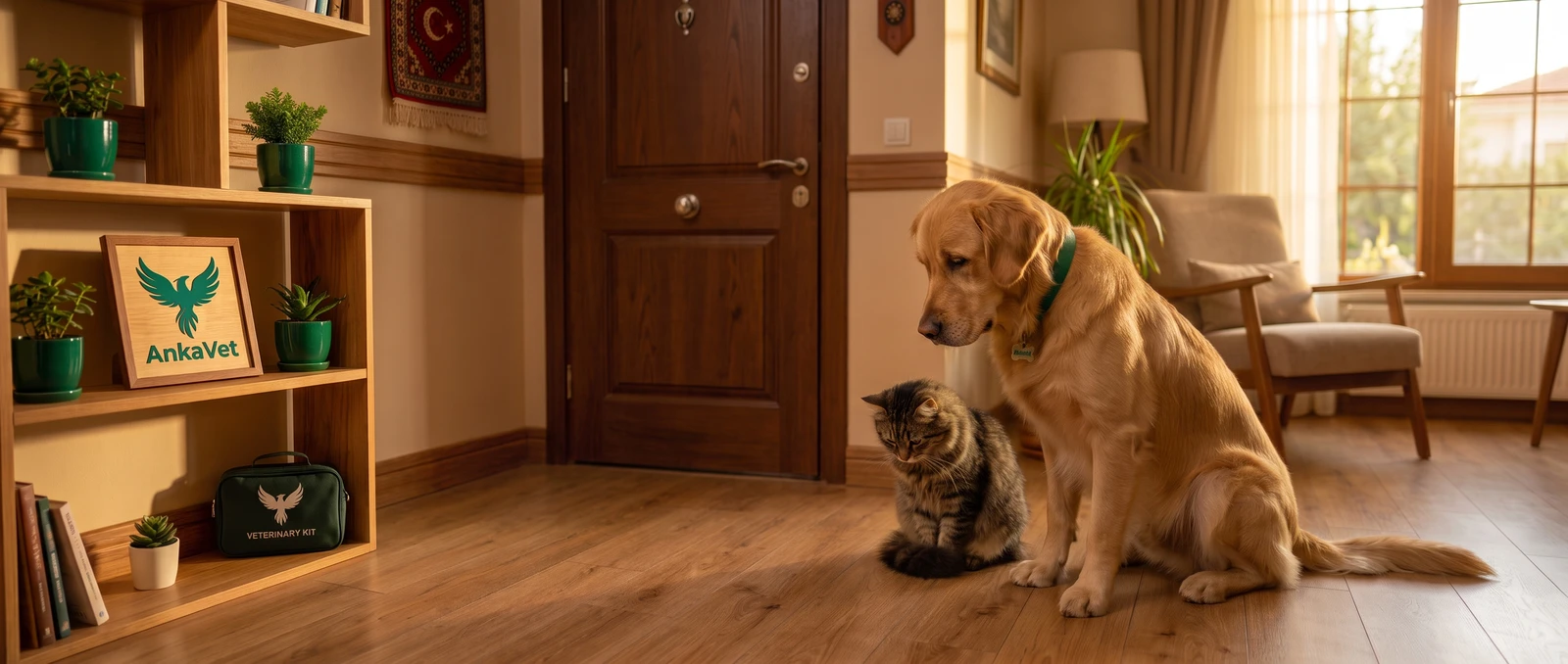
In the apartment lifestyle of Mersin and Mezitli, when the door closes in the morning and the house falls silent, the separation can be a source of deep anxiety for the pets left inside.
The departure of humans to return to their daily work, schools, or social lives can create a profound stress profile in cats and dogs with low tolerance for solitude. The fear of being alone is not limited to physical damage to household items or noise complaints from neighbors; it is a serious medical and psychological issue that deeply affects the animal’s welfare and quality of life.
This intense state of stress paves the way for the weakening of the immune system and various physiological disorders in the long term. In this guide, the medical background, diagnostic criteria, and modern behavioral therapy approaches to the panic state experienced by pets when left alone are examined from a professional preventive medicine perspective.
What You Will Learn
- 1What is Separation Anxiety? (Physiological and Psychological Foundations)
- 2Separation Anxiety Symptoms: Differences Between Cats and Dogs
- 3Factors and Causes Triggering the Fear of Being Alone
- 4Behavioral Treatment and Desensitization Exercises
- 5Creating a Safe Space and Mental Enrichment
- 6Anxiety Management Under Veterinary Supervision in Mersin Mezitli
- 7Sources and Notes
- 8Frequently Asked Questions
01What is Separation Anxiety? (Physiological and Psychological Foundations)
Separation anxiety is a severe panic and stress disorder that occurs when a pet is physically separated from the person they are excessively attached to or feel safe with. This condition is entirely different from a simple “boredom” profile. The moment the departure routines begin, the amygdala (the fear and anxiety center) in the animal’s brain is triggered.
Physiologically, this trigger leads to a rapid increase in blood cortisol (stress hormone) and adrenaline levels. Feeling abandoned, the animal exhibits an autonomic nervous system response similar to the “fight or flight” reflex. Autonomic findings such as an increase in body temperature, tachycardia (rapid heart rate), and hypersalivation (excessive drooling) are observed. This high stress level eliminates the animal’s ability to think rationally and lays the groundwork for destructive behaviors.
02Separation Anxiety Symptoms: Differences Between Cats and Dogs
| Clinical Sign | Behaviors in Dogs | Behaviors in Cats | Home Observation Advice |
|---|---|---|---|
| Vocalization | Prolonged barking, howling, and whining behind the door. | Continuous, loud meowing as if in distress. | The door should be listened to for the first 15 minutes after leaving the house. |
| Destructive Behavior | Chewing/destroying doors, window edges, and furniture. | Overturning items, excessive scratching, and tearing curtains. | It should be checked whether the damage only occurs when no humans are home. |
| Inappropriate Elimination | Urinating/defecating in front of the door or in the living room despite being house-trained. | Refusing to use the litter box and urinating on beds or clothes. | A psychological diagnosis should be made after ruling out the possibility of a urinary tract infection. |
| Physical Response | Excessive drooling, trembling, panting, and loss of appetite. | Over-grooming (psychogenic alopecia), vomiting, and refusing food. | Coat integrity and moisture around the mouth should be examined. |
Vocalization
Destructive Behavior
Inappropriate Elimination
Physical Response
03Factors and Causes Triggering the Fear of Being Alone
In the development of separation anxiety in cats and dogs, environmental changes and early traumas play a role rather than genetic predisposition. Puppies and kittens weaned too early and separated from their mothers and siblings are more prone to experiencing insecurity issues later in life.
In addition, being adopted from a shelter, moving houses, the loss of a family member (due to divorce, death, or moving out), or sudden changes in daily routines are the most common triggers for this problem. For example, the sudden return to office work after long periods of staying at home, such as during the pandemic, resulted in pets being unable to adapt to this sudden solitude, and acute anxiety disorders have been reported in many animals.
04Behavioral Treatment and Desensitization Exercises
The treatment of separation anxiety is a systematic desensitization process that requires patience. Pets have a tremendous intellectual capacity to associate the cues indicating their owners are about to leave (sounds of keys, putting on shoes, grabbing a bag). To break the stress triggered by these cues, “false departures” should be performed. For example, during the day, keys should be picked up and one should head towards the door, but then sit back on the couch without actually leaving. This exercise weakens the association between the objects and solitude.
Another stage involves gradual absences. The owner should leave the house while the animal is calm and return after 1-2 minutes, entering the house without reacting to the animal’s excessive excitement (in a calm and neutral manner). This duration should be gradually increased to 5, 10, and 30 minutes over time. The perception that departures and arrivals are ordinary, unexciting routines must be created. To accurately read the body movements of animals, the body language guide can be examined in detail.
05Creating a Safe Space and Mental Enrichment
Having elements around the pet that will distract them and make them feel safe when left alone is among the most effective dog calming methods. It is recommended to create a space that the animal enters voluntarily, rests in, and that is enclosed and belongs only to them (such as a box or crate training).
Ensuring that the animal’s mental and physical energy is expended before leaving the house encourages them to prefer resting when left alone. Environmental enrichment materials such as puzzle toys, frozen toys filled with wet food (e.g., Kongs), snuffle mats, or lick mats should be used after high-effort walks. Licking and chewing actions trigger the release of calming endorphin hormones in the animals' brains. Additionally, classical music or white noise broadcasts specially prepared at specific frequencies for animals, which they can listen to when left alone, will mask triggering sounds from the outside.
06Anxiety Management Under Veterinary Supervision in Mersin Mezitli
When separation anxiety turns into a deep psychological problem that cannot be solved solely with exercises at home, professional clinical support becomes mandatory. As Anka Veterinary Clinic, we implement professional behavior therapies and integrated health protocols in separation anxiety cases. Primarily, it is verified through a general examination and tests whether there is an underlying physical illness causing issues such as inappropriate elimination or loss of appetite.
After physical health is confirmed, patient-specific desensitization programs are drawn up within the framework of Mersin veterinary behavior therapy approaches. To better understand how environmental stimuli are processed, the biological facts regarding how cats and dogs see the world are shared with pet owners. In critical cases where severe panic disorder, self-harm, or object destruction is observed, safe medical anxiolytic supplements and synthetic pheromone therapies are planned, entirely under veterinary supervision, to support the process.
Short Summary
Separation anxiety is a genuine psychological distress experienced when pets are left alone. Structured behavioral training, mental enrichment, and professional veterinary guidance allow pets to regain confidence and calm.
Note from Mersin Ankavet Veterinary Clinic
Separation anxiety is the result of reactions given by our friends with a sense of helplessness. Patient behavioral exercises and scientific therapy methods to be implemented under veterinary supervision will refresh the bond of trust between you.
Make an AppointmentRelated Blog Posts
Sources and Notes
- American Veterinary Society of Animal Behavior (AVSAB) - Position Statements on Behavior
- American College of Veterinary Behaviorists (ACVB) - Separation Anxiety
- American Animal Hospital Association (AAHA) - Canine and Feline Behavior Management Guidelines
This content has been prepared for informational purposes and does not replace a professional veterinary examination.
Frequently Asked Questions
How should one behave when leaving the house for a cat or dog experiencing separation anxiety?
The moments of departure and return should be made extremely neutral, calm, and ordinary. Engaging in excessive farewell speeches or responding to the animal’s excessive excitement upon return with the same enthusiasm increases the anxiety level.
Do departure routines (sound of keys, putting on a coat) increase the pet’s anxiety?
Yes, animals associate these sounds with “being abandoned” and start experiencing stress before the door is even opened. Desensitization should be achieved by performing these actions during the day without actually leaving the house (false departures).
Do cats also experience separation anxiety? Or is this specific only to dogs?
Despite their independent nature, separation anxiety is also seen in cats. Urinating outside the litter box, excessive meowing, loss of appetite, and obsessively licking their fur (psychogenic alopecia) are the most common anxiety symptoms in cats.
What type of toys can be used at home to reduce separation anxiety?
Chew toys filled with wet food or treats and frozen, lick mats, and snuffle mats provide mental energy expenditure, trigger endorphin release, and reduce stress.
Does punishing a pet that damages the house when left alone work?
Absolutely not. The root cause of destructive behaviors is not anger or revenge, but pure panic and anxiety. Punishment shakes the animal’s trust in humans and further elevates their stress and anxiety levels.
In what situations do veterinarians resort to medical support in the treatment of separation anxiety?
Medical support and synthetic pheromone therapies are recommended in chronic situations where behavioral exercises and environmental enrichment are insufficient, the animal harms itself (e.g., breaking teeth by destroying the crate, excessive fur pulling), or experiences panic so high that they cannot be shielded from external stimuli.
Related Service
General Examination
For clinical evaluation and a care plan, review the service page connected to this guide.
View ServiceMedical Information Note
This content is for general information only. It does not replace a veterinary examination, diagnosis, treatment, or specific medication/food recommendations. A veterinary examination and individual assessment are required for your pet’s health. In case of emergency symptoms, please contact the nearest open veterinary clinic.
MERSIN MEZITLI PET CARE
Need Professional Guidance for Your Pet?
Are you in Mersin Mezitli? If you notice these symptoms or have any concerns about your pet’s health, consult our AnkaVet veterinarians immediately. English and Russian-speaking support is available!
Your pet deserves quality care.
Get in touch today to discuss your pet’s health or schedule a consultation.