Advanced Diagnostics in Veterinary Medicine: The Vital Importance of Digital X-Ray, Ultrasound, and Laboratory Tests
Sedat Çapanoğlu, DVM
Anka Veterinary Clinic
Last updated:
Mustafa Kemal University graduate (2018). After clinical experience in Mersin and a short period in municipal shelter practice, he takes an active role in surgery, emergency care, dental health, and diagnostics.
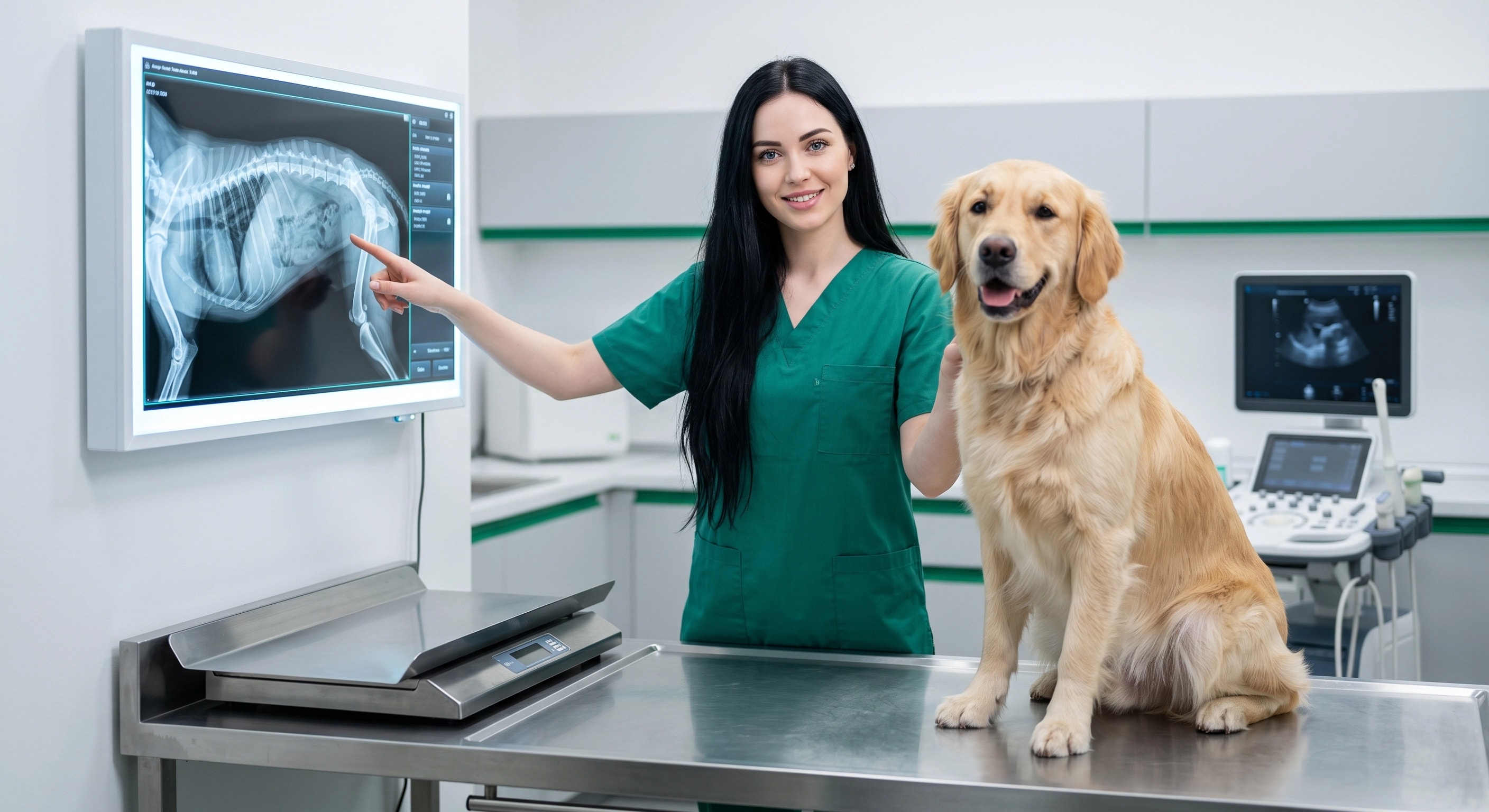
Our pets, by their nature, possess a tremendous evolutionary ability to hide their weaknesses, illnesses, and the pain they feel until the very last moment. This survival instinct, inherited from their ancestors in the wild, continues to exist today even in the sheltered environment of our homes. When a cat or a dog shows that they are in pain by crying or limping, it is generally understood that a medical problem, which had been silently progressing in the background, has now reached advanced stages. In regions like Mersin, where hot and humid weather prevails for a large part of the year, accurately reading this silence of our pet friends and noticing metabolic changes early is of vital importance.
Although visible and palpable external findings constitute the first step of diagnosis in veterinary medicine, it is impossible to detect infections insidiously progressing in internal organs, swallowed dangerous foreign objects, or slowing organ functions with the naked eye. This is exactly where the advanced diagnostic devices offered by modern veterinary medicine come into play. Digital x-ray systems, high-resolution ultrasonography, and well-equipped laboratory tests reveal the diseases that our friends cannot tell us at the cellular and anatomical level, allowing life-saving medical interventions to be performed.
What Will You Learn in This Guide?
- 1Why is Physical Examination Not Enough? The Silent Language of Internal Organs
- 2Comparison Table of Diagnostic Methods
- 3Digital X-Ray and Ultrasonography: Which is Preferred in Which Situation?
- 4The 4 Critical Roles of Blood Tests (Hemogram and Biochemistry) in Early Diagnosis
- 5What Should You Pay Attention to as a Pet Owner During the Diagnostic Process?
- 6Advanced Diagnosis, Imaging, and Treatment Planning in Mezitli, Mersin
- 7Scientific References and Further Reading
- 8Frequently Asked Questions
01Why is Physical Examination Not Enough? The Silent Language of Internal Organs
Auscultation (listening with a stethoscope), palpation (manual examination), and observation performed in the clinical setting are indispensable basic steps for a veterinarian to understand their patient. However, the limits of a physical examination end right under the skin and muscle tissue. A pet that merely shows slight loss of appetite or lethargy from the outside might actually be battling a closed uterine infection (pyometra), a piece of toy stuck in the stomach, an insidious internal bleeding, or an early-stage kidney failure.
In such cases, planning a treatment based solely on external findings poses the risk of overlooking the main source of the problem. Advanced diagnostic methods act as an illuminated window opening into the body. A millimetric deviation in blood values, a small fluid accumulation on the ultrasound screen, or an abnormal gas shadow on the x-ray directly affect the success of the treatment by ensuring the right intervention is made at the right time.
02Comparison Table of Diagnostic Methods
| Diagnostic Method | Area Examined | Application Time | Main Conditions Diagnosed |
|---|---|---|---|
| Physical Examination | Eyes, ears, skin, pulse, fever, lymph nodes. | 10 - 15 Minutes | Superficial wounds, external parasites, fever, suspected cardiac arrhythmia. |
| Digital X-Ray (DR/CR) | Bones, joints, lungs, cardiac silhouette, digestive tract. | 5 - 10 Minutes | Bone fractures, calcification, pulmonary edema, foreign body ingestion. |
| Ultrasonography | Liver, kidneys, spleen, bladder, uterus, heart. | 15 - 30 Minutes | Internal organ tumors/cysts, uterine infection, urinary stones, internal bleeding, pregnancy. |
| Laboratory Test | Blood cells (Hemogram), Enzymes (Biochemistry). | 15 - 45 Minutes | Infection, anemia, kidney/liver failure, diabetes. |
Physical Examination
Digital X-Ray (DR/CR)
Ultrasonography
Laboratory Test
03Digital X-Ray and Ultrasonography: Which is Preferred in Which Situation?
Imaging methods are not alternatives to each other but puzzle pieces that complement one another. In Mezitli veterinary x-ray and imaging processes, each device has a different physics-based reading mechanism.
Digital X-Ray (Radiography): X-ray images obtained using X-rays yield excellent results, especially in tissues with high density differences. It is the gold standard for diagnosing bone fractures, measuring the extent of orthopedic damage, and detecting joint diseases. It is also highly effective in examining the air-filled lung structure in the rib cage and heart enlargement (cardiomegaly). Hard foreign objects such as coins, needles, or bones swallowed at home are clearly detected on x-ray films.
Ultrasonography (USG): This method, obtained using sound waves, does not contain radiation unlike x-rays and shows the internal architecture of soft tissues live (in real-time). In Mersin veterinary ultrasound applications, it is used especially to detect intra-abdominal organs; liver parenchyma, kidney structure, sand in the bladder, and uterine problems. Whether the cystic structures that x-rays cannot see inside are fluid or a solid mass is clearly distinguished by ultrasound. Using both methods together maximizes the accuracy rate of the diagnosis.
04The 4 Critical Roles of Blood Tests (Hemogram and Biochemistry) in Early Diagnosis
- Detection of Acute and Chronic Infections: Hemogram (Complete Blood Count) devices count the red blood cells, white blood cells, and platelets in the body. While a sudden increase in the white blood cell count indicates that the body is fighting a serious bacterial infection, decreases point to viral diseases (e.g., Feline Panleukopenia or Canine Parvovirus).
- Evaluation of Organ Functions (Kidney/Liver): Biochemistry analyses measure the enzymes in the serum part of the blood. Elevated Urea and Creatinine in the blood are the earliest warning signals of kidney failure; while ALT, AST, and Bilirubin indicate liver damage.
- Pre-Surgical and Anesthesia Safety Protocol: For a patient to safely eliminate anesthesia drugs from their body, their organ functions must work flawlessly. Tests performed before the operation ensure surgical safety by pre-identifying possible anesthesia risks.
- Electrolyte Balance and Senior Pet Screening: The balance of electrolytes such as potassium, sodium, and chlorine is essential for the vital functions of cells. Regular blood screenings, especially in senior (geriatric) animals over 7 years of age, allow for catching insidiously progressing diseases while they are still in their initial stages, before showing any symptoms.
05What Should You Pay Attention to as a Pet Owner During the Diagnostic Process?
There are some simple but important preparations that pet owners, who apply to the clinic with Mezitli veterinary laboratory searches, should make at home to get the most accurate results from tests and imaging. Before biochemistry blood tests and abdominal ultrasonography, the patient’s stomach and intestines being empty provides much clearer data; therefore, unless your physician directs otherwise, the patient should be fasted for 8 to 12 hours (provided that water consumption is free).
Additionally, if a urinary tract and bladder ultrasound is to be performed, preventing the patient from urinating right before coming to the clinic (having the bladder somewhat full) increases image quality. To prevent our pet friends from being frightened during the blood collection and x-ray stages, bringing a favorite toy or a blanket with your scent when coming to the clinic will lower their stress level and ease the diagnostic process.
06Advanced Diagnosis, Imaging, and Treatment Planning in Mezitli, Mersin
Solving the problems that our silent friends cannot tell us using scientific data is the greatest responsibility of modern medicine. At Mersin Anka Veterinary Clinic, serving in Mersin Mezitli, all the diagnostic processes our patients need are carried out under the same roof in accordance with international medical standards.
Every patient coming to our clinic is first subjected to a detailed general examination; based on the findings obtained, our laboratory and imaging unit steps in for a rapid and accurate diagnosis. Diseases are analyzed at the cellular level with our fully equipped digital x-rays, advanced ultrasonography devices, and modern blood count (hemogram/biochemistry) units that provide results in minutes. In cases with critical values or requiring emergency surgery, life support procedures are initiated by taking the patient to the emergency and intensive care unit without wasting time. With the awareness that health cannot be left to chance, our pet owners are transparently informed at every step of the diagnosis.
Short Summary
The nature of cats and dogs to hide disease symptoms causes physical examinations performed solely from the outside to be insufficient in some cases. The only way to definitively detect an organ failure silently progressing inside the body, an insidious infection, or a foreign object requiring surgical intervention is to resort to digital x-rays, ultrasonography, and comprehensive laboratory tests.
While an x-ray maps out bones and air-filled tissues, ultrasonography shows soft tissues and fluids in real-time. Blood tests reveal the cellular health of the organs in numbers. Using this diagnostic trio combination at the right time and professionally plays a key role in protecting the health of our pet friends and creating successful treatment processes.
Anka Veterinary Clinic Diagnostics and Appointment
Schedule an appointment now to evaluate your pet friend’s comprehensive health status with digital x-rays, ultrasound, and blood tests.
Book an AppointmentRelated Blog Posts
Scientific References and Further Reading
- AVMA - Pet Care and Diagnostic Principles
- AAHA - Senior Care Guidelines for Dogs and Cats
- WSAVA - Global Veterinary Medical and Clinical Practice Standards
This content has been prepared for informational purposes and does not replace a professional veterinary examination.
Frequently Asked Questions
Does a digital x-ray carry a radiation risk for pets?
Modern digital x-ray (CR/DR) systems use a much lower dose of x-rays compared to older film-type x-ray devices. This amount is minimal and safe enough not to pose any risk to the patient’s health.
Will my pet be given anesthesia during an ultrasound examination?
Since the ultrasonography (USG) procedure is a completely painless imaging method based on sound waves, unless the patient is extremely aggressive or in a state of panic, it is usually performed while awake without the need for anesthesia or sedation (tranquilizer).
Is drawing blood from cats and dogs a painful procedure?
No. Intravenous blood collection in pets at veterinary clinics, just like in humans, only creates a slight feeling of a mosquito bite for a second. Because special and fine-tipped needles are used, it is a very comfortable and quick procedure.
Why does my pet need a pre-surgical blood test?
Medications to be used under anesthesia are metabolized in the liver and excreted from the body via the kidneys. Seeing whether these organs are working healthily, and if there is a hidden infection or a coagulation problem in the blood, is a medical necessity to prevent the patient from experiencing a life-threatening risk on the operating table.
What is the difference between Biochemistry and Hemogram tests?
A Hemogram (Complete Blood Count) counts the cellular part of the blood (red blood cells, white blood cells, platelets) and provides information about infection, immune status, and anemia. Biochemistry, on the other hand, measures the enzymes in the liquid part of the blood to evaluate the working capacity of internal organs such as the liver, kidneys, and pancreas.
Is it necessary to run tests on a healthy-looking pet?
Especially for senior pets 7 years of age and older, it is highly recommended to have a routine check-up (blood test and ultrasound) at least once a year, even if there are no outward signs of illness. Diseases such as kidney failure may not show any external symptoms until 70% of the kidneys are damaged. Early diagnosis is the most important factor that prolongs lifespan.
Medical Information Note
This content is for general information only. It does not replace a veterinary examination, diagnosis, treatment, or specific medication/food recommendations. A veterinary examination and individual assessment are required for your pet’s health. In case of emergency symptoms, please contact the nearest open veterinary clinic.
MERSIN MEZITLI PET CARE
Need Professional Guidance for Your Pet?
Are you in Mersin Mezitli? If you notice these symptoms or have any concerns about your pet’s health, consult our AnkaVet veterinarians immediately. English and Russian-speaking support is available!
Your pet deserves quality care.
Get in touch today to discuss your pet’s health or schedule a consultation.