A Roadmap for First-Time Dog Owners: Home Prep, Potty Training, and First Steps
Şanssım Çapanoğlu, DVM
Anka Veterinary Clinic
Last updated:
Mustafa Kemal University graduate (2019). After internships in Adana and Izmir, she worked in clinical practice in Adana and focuses on preventive medicine and behavior.
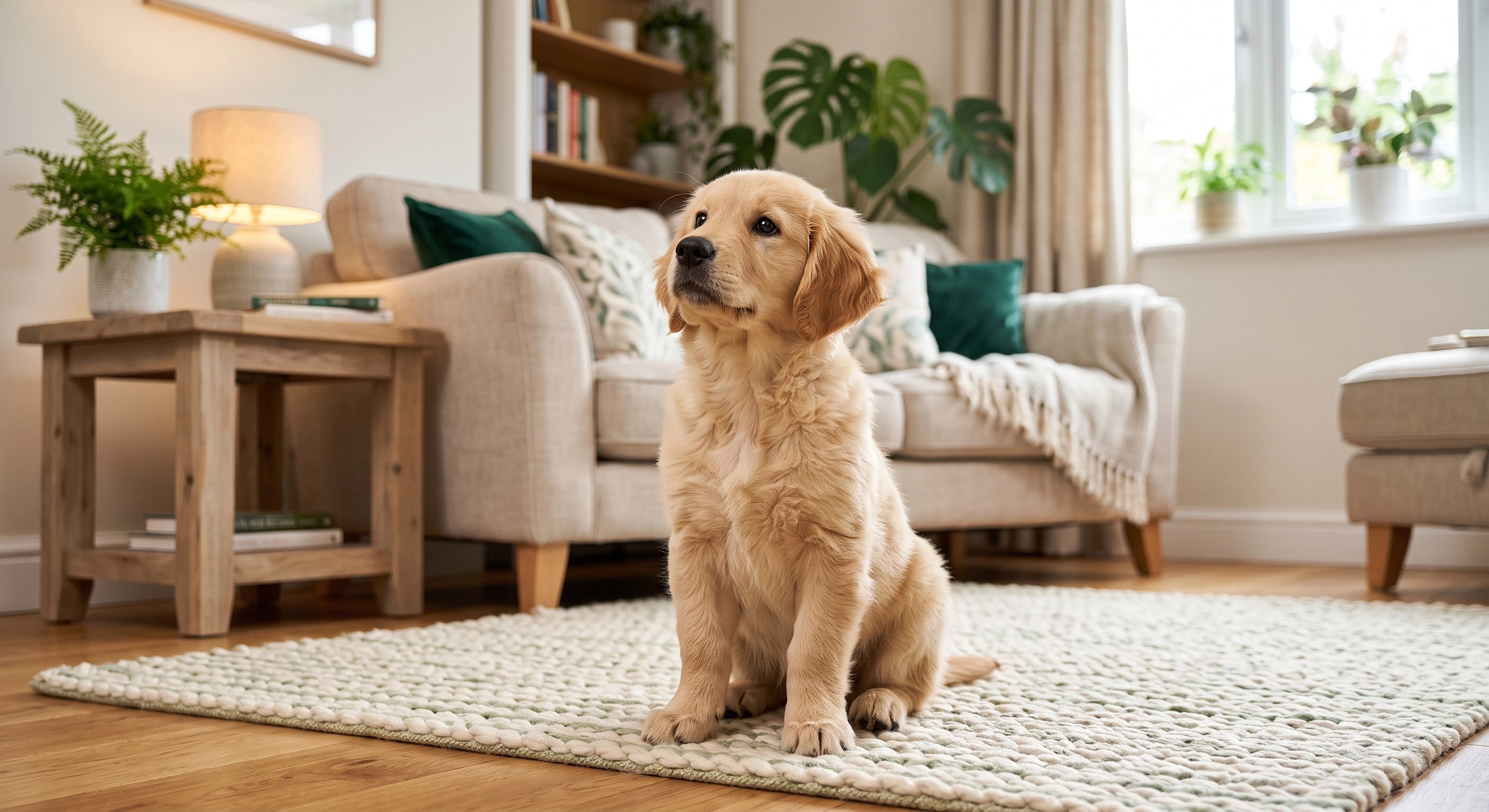
Welcoming a new furry friend into the dynamic, warm lifestyle of Mersin and Mezitli ranks among the most exciting moments you can experience at home. Adopting a dog for the first time brings joy and love, but it also carries significant responsibility and requires careful preparation. For a puppy stepping into a completely unfamiliar environment after leaving its mother and littermates, the first 48 hours at home prove critical for both psychological adaptation and physical safety.
This puppy care guide extends far beyond simply choosing the right food. It covers a wide spectrum, from removing household hazards to managing first-night separation anxiety and laying the foundation for long-term potty habits. You build the foundation for a healthy adult dog during this pediatric period. This guide details the processes new puppies and their welcoming owners might face in the early days, utilizing a preventive care perspective and scientific data.
What You Will Learn in This Guide
- 1Puppy-Proofing Your Home Before Arrival
- 2Basic Needs and Ideal Choices in Puppy Care
- 3First Night Adjustment and Preventing Separation Anxiety
- 4Potty Training Steps with Pee Pads and Environment Setup
- 5Teething, Chewing Habits, and Initial Vaccine Tracking
- 6Puppy Care and Health Schedule Planning in Mersin Mezitli
- 7Sources and Notes
- 8Frequently Asked Questions
01Puppy-Proofing Your Home Before Arrival
Puppies explore the world with their mouths and noses. During this period of peak curiosity, rearranging the home environment to eliminate dangers becomes vital. Just as you take safety measures for a crawling baby, you must puppy-proof your home.
First, hide all electrical cords in special covers or secure them high up to prevent chewing. You must move cleaning chemicals, detergents, and sweet but deadly substances like antifreeze from floor-level cabinets to locked areas. Remove toxic plants included in home decor, such as lilies, dieffenbachia, and sago palms, to areas the puppy cannot reach. Checking safety nets on balconies and windows, and keeping small toys, hairpins, and medications out of reach, forms the first requirement for a safe start.
02Basic Needs and Ideal Choices in Puppy Care
| Need | Common Mistake | Ideal Choice | Preventive Care Note |
|---|---|---|---|
| Food and Water Bowls | Scratchable plastic bowls (harbor bacteria). | Heavy, non-slip stainless steel or ceramic bowls. | Plastic bowls pave the way for chin acne. |
| Bed Selection | Fiber beds that easily tear and allow swallowing. | Orthopedic, tear-resistant beds with washable covers. | Swallowed fiber or sponge pieces can cause intestinal blockages. |
| Chew Toy | Real animal bones or easily breakable plastic toys. | Special toys made of natural rubber that massage gums. | Boiled bones can splinter and puncture the stomach and intestines. |
| Potty Area | Using newspaper (risk of ink toxicity). | Leak-proof, absorbent dog pee pads that trap odors. | Licking newspaper ink can lead to chemical poisoning. |
Food and Water Bowls
Bed Selection
Chew Toy
Potty Area
03First Night Adjustment and Preventing Separation Anxiety
A puppy crying at night after leaving the warmth of its mother and littermates exhibits a completely natural survival instinct. To ease the intense anxiety felt during this period, setting up the environment to remind them of their former safe nest matters greatly.
To minimize crying spells, placing a warm (never hot) water bottle wrapped in a thick towel under the bed will simulate the mother’s warmth. Additionally, placing a ticking clock that makes rhythmic sounds near the bed mimics the mother’s heartbeat and helps the puppy calm down. Rushing to pick the puppy up every time it cries reinforces the crying behavior as a communication tool (conditioned learning). Instead, letting them feel safe with a gentle voice from a distance offers a much healthier approach.
04Potty Training Steps with Pee Pads and Environment Setup
Puppy potty training requires the most patience and consistency from dog owners. Puppies cannot hold their bladder for long periods because their muscle control is not yet fully developed. You should manage this process with the following steps:
Area Restriction: When the puppy first arrives, restrict them to a safe playpen or a specific room instead of letting them roam the entire house. The larger the area, the higher the chance they will potty in the wrong spot. Place pee pads as far away from the bed and food bowl as possible.
Proper Timing and Observation: Puppies usually need to potty right after waking from a deep sleep, after eating, or following an intense play session. The moment they start sniffing the ground and circling, guide them onto the pad without delay.
Positive Reinforcement and Patience: When the puppy potties in the right spot (on the pad), praise them with an enthusiastic tone and reinforce this behavior with a small treat. Never use punishment methods like rubbing their nose in it or yelling when they make a mistake; this creates fear and causes the dog to potty in hidden spots.
05Teething, Chewing Habits, and Initial Vaccine Tracking
Starting around the 3rd month, puppies begin losing their baby teeth and growing permanent ones. The severe itching and pain in the gums during this period cause the puppy to chew on furniture, shoes, or your hands. Offering natural rubber toys that you can chill in the refrigerator will soothe their gums and meet this need in a healthy way.
One of the most critical issues to watch during this process is the outdoor ban. Because the immune system is not yet ready against deadly viral diseases like Parvovirus and Distemper, keeping the puppy off the streets and away from unvaccinated dogs until the vaccination schedule is complete (around the 16th week) remains a vital preventive care rule. You can use our guide on the puppy and kitten vaccination schedule in Mersin Mezitli for details on the vaccines to be administered.
06Puppy Care and Health Schedule Planning in Mersin Mezitli
As Mersin Ankavet Veterinary Clinic, we apply detailed pediatric health protocols to ensure your new family member gets a healthy start. When the puppy first steps into our clinic, we perform a comprehensive general examination from head to toe with a stress-free approach.
During this examination, we check all physiological values, from heart rhythm to eye, ear, and joint health. We then build a protective shield against internal and external parasites and plan a personalized vaccination schedule suited to the dog’s living conditions and the climatic/parasitic risks of the Mezitli region. We meticulously carry out all microchip/identification procedures and healthy tracking of the entire developmental process in accordance with official procedures.
Summary
Adopting a dog for the first time starts a long journey that begins with rearranging the home for safety and choosing basic needs correctly. The physical and mental development of puppies depends on properly managing first-night anxiety, providing consistent and punishment-free potty training, and meeting their needs during the teething period. Puppies must remain isolated from outdoor environments until their vaccination program finishes completely, and proceeding under veterinary supervision is essential for them to get through this period healthily. Professional health screenings and regular parasite applications form the most fundamental guarantee for your puppy to live a long and happy life.
Note from Mersin Ankavet
You can plan the first steps with our veterinarians for your puppy to live a healthy and happy life. You can book an appointment to get detailed information about the growth process, vaccine tracking, and proper nutrition protocols.
Book an AppointmentRelated Blog Posts
Sources and Notes
- Blue Cross - Caring for Your Puppy Guide
- RSPCA - Puppy Care, Health, and Training Advice
- American Kennel Club (AKC) - Puppy Care Information Portal
This content has been prepared for informational purposes and does not replace a professional veterinary examination.
Frequently Asked Questions
When should you bathe a puppy?
Because puppies have weak immune systems and lose body heat quickly, we do not recommend bathing them until they complete their core vaccination schedule (around 3-4 months of age) unless a medical necessity exists. You can use dry shampoos or cleaning wipes made specifically for pets for cleaning.
What should I do if they won’t use the pee pad?
Patience is the most important element in the training process. If they potty in the wrong spot, wipe it with enzyme-based cleaners that completely remove the urine odor, place the pee pad in a corner far from the dog’s bed, and reward them immediately for every correct potty action. Shrinking the play area (using a playpen) will speed up the process.
Can they go outside before finishing their first vaccines?
You must absolutely not take them outside. Deadly viruses that can survive for months in soil or other animals' feces pose a massive danger to puppies with no immunity. You can only provide safe socialization by carrying them outside in your arms or a carrier.
Do you give ice toys during the teething period?
Yes, especially during the 3-6 month period when gums swell and hurt, rubber toys designed for pets that you can fill with water and freeze numb the gums and provide relief. However, you should never give bare ice directly, as it can damage tooth enamel.
Should I go to them when they cry at night?
Going to them or taking them to bed every time they cry teaches the dog that crying works as a calling method. Crying is normal in the first few days; instead of going to them, calling out from a distance to let them know you are there or putting a hot water bottle in their bed proves more suitable for them to gain independence.
How many meals a day should they eat?
Because their stomach capacity is still very small, you need to feed puppies 3 or 4 meals a day by dividing their daily food portion. After the 6th month, you can gradually reduce the number of meals to two, following the veterinarian’s advice.
Related Service
General Examination
For clinical evaluation and a care plan, review the service page connected to this guide.
View ServiceMedical Information Note
This content is for general information only. It does not replace a veterinary examination, diagnosis, treatment, or specific medication/food recommendations. A veterinary examination and individual assessment are required for your pet’s health. In case of emergency symptoms, please contact the nearest open veterinary clinic.
MERSIN MEZITLI PET CARE
Need Professional Guidance for Your Pet?
Are you in Mersin Mezitli? If you notice these symptoms or have any concerns about your pet’s health, consult our AnkaVet veterinarians immediately. English and Russian-speaking support is available!
Your pet deserves quality care.
Get in touch today to discuss your pet’s health or schedule a consultation.