Keeping a Dog in an Apartment in Mezitli: Site Rules, Barking and Toilet Routine
Sedat Çapanoğlu, DVM
Anka Veterinary Clinic
Last updated:
Mustafa Kemal University graduate (2018). After clinical experience in Mersin and a short period in municipal shelter practice, he takes an active role in surgery, emergency care, dental health, and diagnostics.
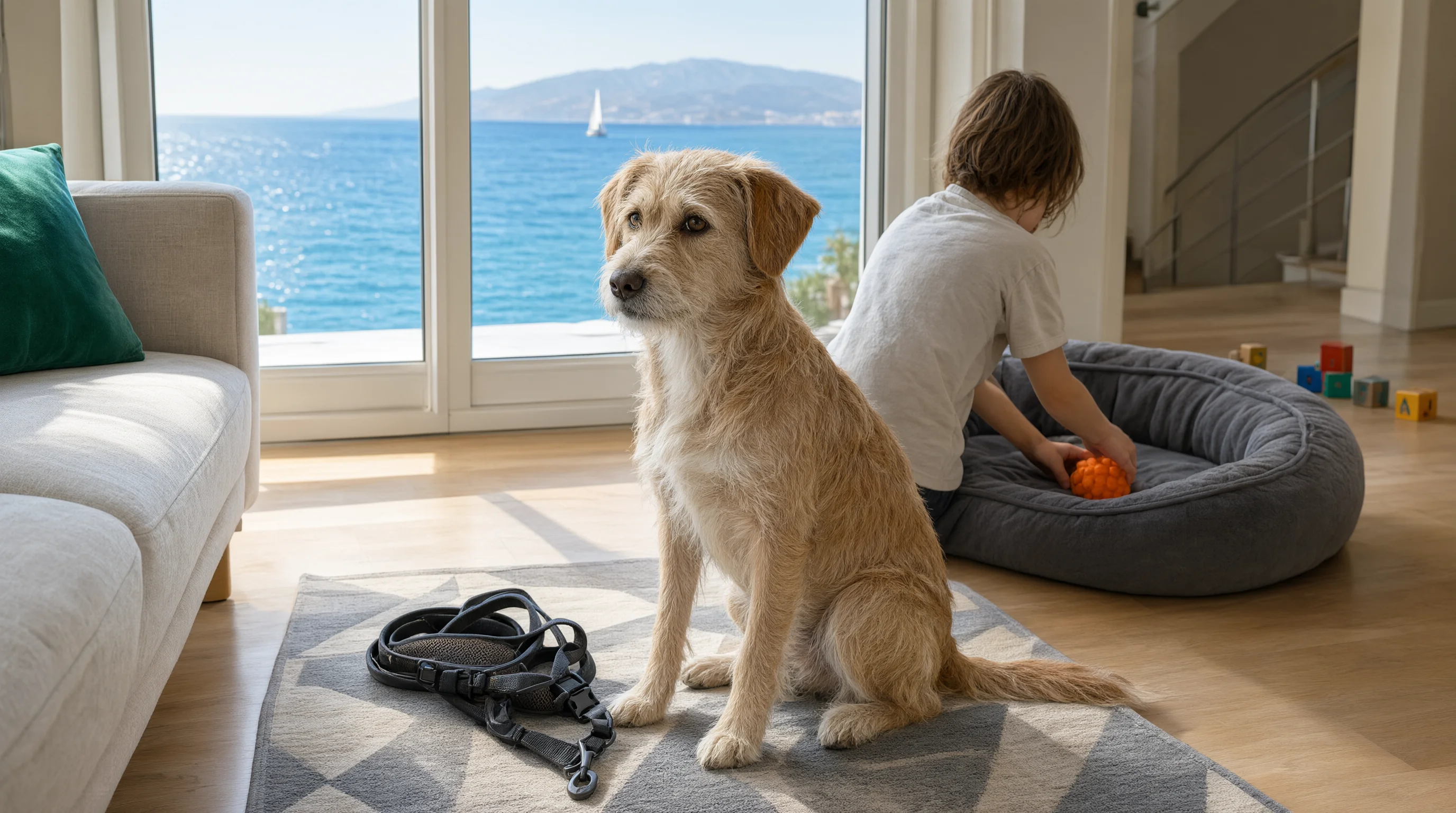
Keeping a dog in an apartment in Mezitli offers an enjoyable life for both you and your dog once you plan it well. Many people think apartment life falls short for dogs, yet the decisive factor is not floor space but regular walks, consistent training and a predictable daily routine. Your dog reads your schedule, mirrors your calm attitude and learns the house rules through repetition. For that reason, the order you build in the first weeks forms the foundation of the years that follow.
In this article you find a practical framework covering site rules, barking management, toilet routine and safe walking hours in the Mersin heat. My account rests on problems and solutions I often see in apartment dogs in clinical practice. My goal is to guide you toward a balanced dog that gets along well with your neighbors, stays calm at home and walks outside with pleasure. Keeping a dog in an apartment asks for patience, but once you take the steps correctly the result truly brings a smile to your face.
What You Will Learn in This Guide
01Apartment and Site Reality
Many residential sites in Mezitli apply their own internal rules about pets. Some sites openly permit keeping dogs, some require a leash and muzzle rule in shared areas, and some restrict elevators, playgrounds and pool surroundings. Before you move house or adopt a new dog, you need to read the management plan and the formal rules recorded in the site decision book. Do not act on spoken information, see the written rule. This small step prevents most disputes that could arise later.
In apartment life, sound and odor directly shape neighbor relations. Thin walls, echoing stairwells and shared corridors make every bark and every excited moment of your dog more visible. Do not let this discourage you. Most complaints arise not from the character of the dog but from insufficient exercise, irregular toilet hours and unplanned long hours spent alone. When your dog walks enough during the day, stays mentally occupied and its toilet needs are met on time, it behaves far more calmly at home.
Breed and size choice also affects apartment harmony, yet it never becomes the single decisive factor. An energetic dog lives happily in an apartment once it gets regular walks and play. Even a calmer breed grows restless when never walked, chews furniture and overreacts to door sounds. So ask yourself honestly: can you go outside two or three times a day, can you keep the morning and evening routine without interruption? If your answer is yes, keeping a dog in an apartment becomes a suitable option for you. If you feel unsure, the right move before adoption is to talk to your veterinary clinic in Mezitli for a general examination plan and a lifestyle assessment.
02Home and Apartment Needs Compared
| Area of need | Detached house | Apartment flat | Mezitli note |
|---|---|---|---|
| Toilet area | Garden use | Timed outdoor outings | Short at midday heat, long morning and evening walks |
| Exercise | Unrestricted garden movement | Leashed walks and play | Regular tours along the coastal strip and parks |
| Sound management | More tolerant setting | Sound control that respects neighbors | Getting used to door and elevator sounds |
| Mental stimulation | Outdoor sounds and scents | Puzzle games and training | Scent games at home and short training repetitions |
Toilet area
Exercise
Sound management
Mental stimulation
03Barking and Neighbor Relations
Barking is a natural way of communication for dogs. Barking when the doorbell rings, when a sound comes from the corridor or when another dog passes by the balcony counts as normal. The problem starts when barking lasts long and grows out of control. Keeping a dog in an apartment requires managing this boundary well. Your dog alerts you, you respond calmly, and you reward it once the behavior ends. This cycle teaches your dog when to stay quiet.
First find the reason behind the barking. Boredom, separation anxiety, insufficient exercise, fear and territorial guarding rank among the most common reasons I see. When your dog barks after you leave home, prepare a training plan that extends the time alone step by step. First leave for a few minutes, return while it stays calm and reward it. Extend the duration over days. When it barks at door sounds, practice desensitization by playing the bell sound quietly and rewarding calm behavior. This work takes time, yet it delivers lasting results with regular repetition.
Act early for neighbor relations. When you move in or adopt a new dog, briefly introduce yourself, say you are in a training period and leave a contact number. A small smile and open communication resolve a possible complaint before it turns into a serious issue. Keep the leash short in the elevator and on the stairs, teach your dog to wait at the doorway so it does not jump on other people. When a toilet accident happens in shared areas, clean it at once and leave no odor behind. This care earns you trust inside the site.
Stay away from punishment-based methods. Shouting, frightening or locking the dog on the balcony for a long time does not reduce barking, it enlarges anxiety. Your dog grows more excited when it hears your voice and the cycle hardens. Instead stay calm and consistent. Redirect attention elsewhere during unwanted behavior, reward desired behavior at once. When barking appears together with fear or separation anxiety and home efforts fall short, seek support from a veterinarian experienced in behavior and psychology. Early support protects the comfort of both you and your neighbors.
04Do and Avoid List
In apartment order, small habits make a large difference. The list below sums up the basic rules I often recommend in the clinic. Everyone at home needs to apply each item in the same way. Dogs love consistency, mixed signals from different people confuse them. Pin the list on the fridge and follow it together during the first month.
- Never skip the morning walk: Start the day with a long walk. Your dog releases energy, relieves itself and stays calmer through the rest of the day. Choose a brisk neighborhood walk instead of a short garden tour.
- Extend alone time step by step: Do not leave home for long hours in the first days. Keep leaving and returning moments calm, do not dramatise farewells. Reward calm waiting behavior and lengthen the duration gradually.
- Use puzzle games: Food puzzles, scent games and short training repetitions tire your dog mentally. A tired mind barks less at home and damages fewer objects. Two short play sessions a day prove sufficient.
- Train corridor and elevator manners: Teach waiting at the door, calm elevator entry and walking beside you on the stairs with rewards. Use short and clear cues without tightening leash tension. This training directly eases neighbor relations.
- Fix toilet hours: Set clear hours for morning, midday, evening and before bedtime at night. Once the hours stay fixed, your dog learns to hold itself and accident numbers fall quickly. Write the program where everyone sees it.
- Do not turn the balcony into a penalty area: Do not use the balcony for long confinement or unventilated isolation. In Mersin heat the balcony floor warms up fast and creates a dehydration risk. Arrange the balcony as a safe, shaded and short-term fresh-air area.
05Toilet and Walking Routine with Mersin Heat
Puppies want to go outside more often because bladder capacity stays small. As a general rule, a two-month-old puppy feels the need for a toilet every two hours, a four-month-old puppy every four hours. Adult dogs feel comfortable with three or four regular outings a day. Keeping a dog in an apartment makes keeping these hours mandatory. A dog that goes out regularly never develops a habit of soiling the house and learns to hold itself faster. When an accident happens, do not scold, clean quietly and bring the next outing slightly forward.
Do not see walks as mere toilet breaks. Walks mark the most valuable time when your dog sniffs the world, sees other dogs and bonds with you. Keep the morning walk slightly long, the midday walk short and shaded, and combine the evening walk with play and social contact. Using the same route each day gives your dog confidence, adding new routes now and then keeps curiosity alive. When you struggle with leash pulling, apply direction-change and stop techniques together with rewards. Move on while your dog walks beside you, stop once it pulls. This simple rule changes walk quality within a few weeks.
Mersin heat directly sets the routine in summer months. At midday, asphalt and concrete surfaces burn paws. Place your hand on the ground, and when you cannot hold it for five seconds, postpone the walk. Early morning and hours after sunset in the evening become the safest windows in summer. Carry water with you, take shaded breaks and keep the pace low for flat-faced breeds with narrow airways. When you see heavy panting, increased drooling and weakness, end the walk and move to a cool area. When these signs repeat, consult your veterinary clinic in Mezitli without delay.
Some people use a balcony grass pad or an emergency pad for the indoor toilet order. These products offer a temporary solution for very long working hours or days with a health problem. Yet the lasting solution stays regular outdoor outings. Once pad use extends, the dog accepts indoor toileting as normal and the training period lengthens. When you use a pad, shift it slowly toward the door and then outside the apartment for transition. Reward every correct outdoor toilet generously. This transition usually completes within a few weeks once you stay patient.
06Planning in Mezitli, Mersin
Apartment life in Mezitli offers pleasant opportunities for dogs with coastal walking paths, parks and green areas inside sites. The coastal strip stays cool and quiet in early morning hours, while lively social hours suitable for social contact start in the evening. Do not enter crowded dog areas before your dog completes vaccinations, plan social contact step by step after vaccination. Keep first contacts with other dogs short, reward calm meetings. This pace keeps fear and excess excitement in balance.
As Mersin Anka Veterinary Clinic, serving in Mezitli, Mersin, we assess living space, walking routine and alone time together with you during the first examination of dogs living in apartments. Our team draws a practical road map before puppy adoption for breed and energy-level choice, vaccination and parasite schedule, toilet training and barking management. In regular check-ups we monitor weight, skin, coat, teeth and behavior changes. Small problems noticed early resolve before they grow, and home order continues without disruption.
When a move or a site change is on the agenda, make the plan ahead. Learn the rules of the new home, walk the routes in advance and keep basic needs such as water, food, leash and identity tag ready. Spend extra time at home in the first week, watch how your dog adjusts to new sounds. Veterinary support in Mezitli saves you time during this transition for vaccination records, microchip checks and behavior observation. Keeping a dog in an apartment turns into years of calm companionship with a good start.
Short Summary
Keeping a dog in an apartment works well with regular walks, clear toilet hours and calm training. Learn the site rules in written form, find the reason behind barking and train with rewards. In Mersin heat move walking hours to morning and evening. At points where you struggle, consult your veterinarian and update the plan together.
A Note from Anka Veterinary
Wherever you get stuck with apartment dog life, barking, toilet routine, alone time, we build a personal plan with you during examination. Keep your home routine steady with regular check-ups.
Book AppointmentRelated Blog Posts
References and Notes
- Merck Veterinary Manual - Selecting a Dog
- ASPCA - Common Dog Behavior Issues
- WSAVA - Global Vaccination Guidelines
This content has been prepared for informational purposes and does not replace a professional veterinary examination.
Frequently Asked Questions
Does keeping a dog in an apartment disturb neighbors?
With the right routine, disturbance rarely happens. Regular walks, fixed toilet hours and barking training visibly reduce noise at home. Open communication with your neighbors prevents small issues from growing. When the problem continues, seek professional support to find the reason.
Can site management ban keeping dogs?
The site management plan and owner decisions prove decisive. Some sites set shared-area rules, some impose no restrictions. Before adoption read the written rules and consult management. Written information proves more reliable than spoken words.
How many times a day should an apartment dog go outside?
For adult dogs, three or four outings a day usually prove enough. Puppies want to go out more often, the interval extends as age grows. Keep morning and evening walks long, the midday outing short. Once the program stays fixed, toilet accidents fall quickly.
How long does barking training take?
It varies with the reason and regularity, yet most homes see visible improvement within a few weeks. Short daily repetitions work better than long and irregular sessions. The period extends when fear and separation anxiety exist. In this case veterinary support speeds the process.
What is the right hour for walks in Mersin heat?
In summer months, early morning and late evening hours prove safer. At midday heat asphalt burns paws and heatstroke risk rises. Apply the hand test, carry water and rest in shade. When you see panting and weakness, end the walk.
How does a puppy adjust to an apartment?
In the first week prepare a calm area at home, feed at the same hours and go outside at the same hours. Keep alone time short and extend it slowly. Reward correct toilet and calm behavior at once. Stay away from crowded areas before vaccinations complete and start social contact in a controlled way.
Related Service
Behavior and Psychology
For clinical evaluation and a care plan, review the service page connected to this guide.
View ServiceMedical Information Note
This content is for general information only. It does not replace a veterinary examination, diagnosis, treatment, or specific medication/food recommendations. A veterinary examination and individual assessment are required for your pet’s health. In case of emergency symptoms, please contact the nearest open veterinary clinic.
MERSIN MEZITLI PET CARE
Need Professional Guidance for Your Pet?
Are you in Mersin Mezitli? If you notice these symptoms or have any concerns about your pet’s health, consult our AnkaVet veterinarians immediately. English and Russian-speaking support is available!
Your pet deserves quality care.
Get in touch today to discuss your pet’s health or schedule a consultation.