Diabetes in Cats and Dogs: Symptoms, Diagnosis, and Home Care Guide
Sedat Çapanoğlu, DVM
Anka Veterinary Clinic
Last updated:
Mustafa Kemal University graduate (2018). After clinical experience in Mersin and a short period in municipal shelter practice, he takes an active role in surgery, emergency care, dental health, and diagnostics.
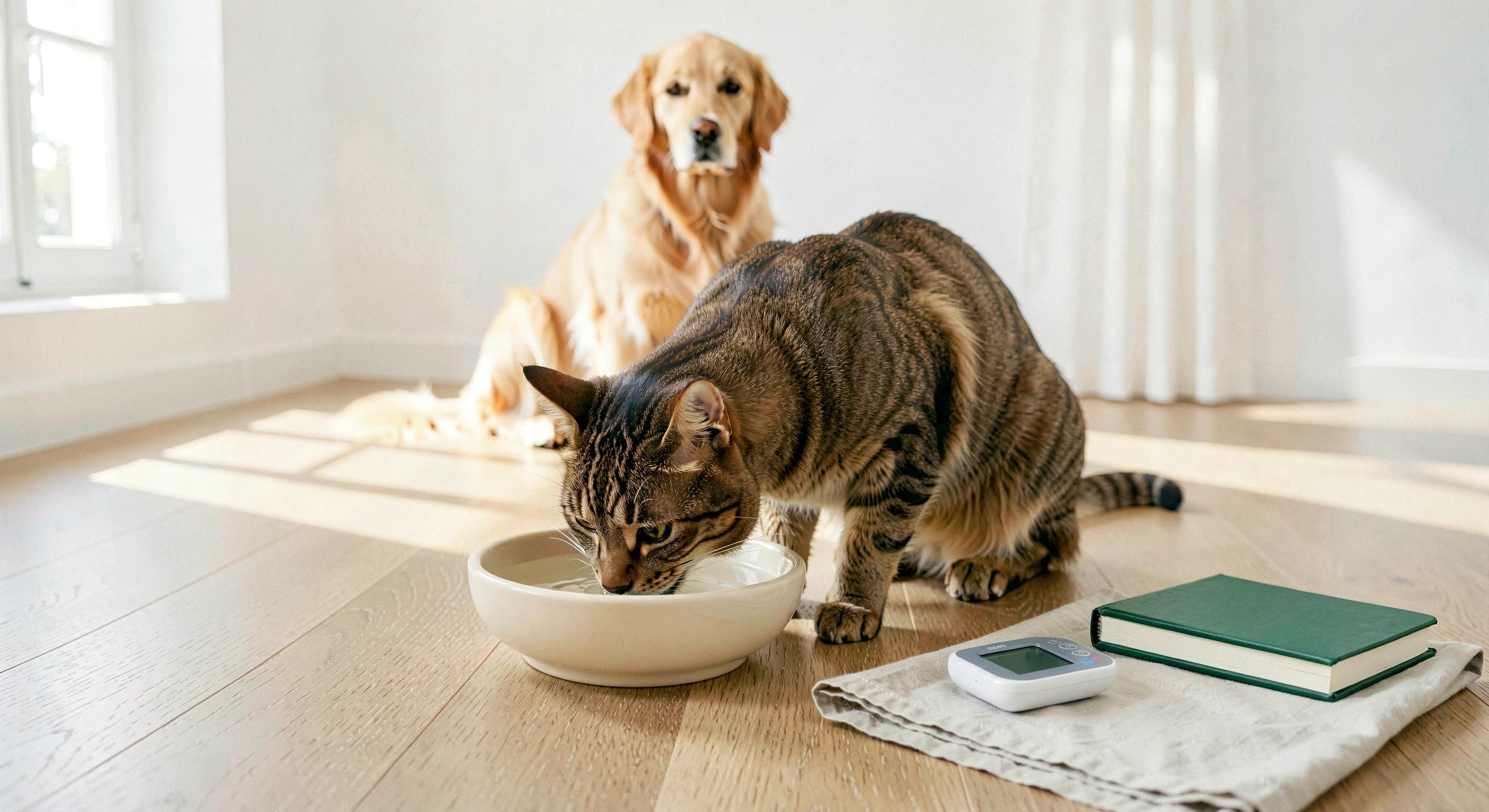
There comes a day when you notice the water bowl is emptying twice as fast as usual or the litter box feels heavier than ever before. Many pet owners initially dismiss these changes as the result of warm weather or seasonal shifts. Behind the scenes, the delicate balance between insulin produced by the pancreas and the energy needs of cells may be breaking down.
Diabetes is a chronic condition seen in cats and dogs that requires correct treatment and consistent follow-up. A diagnosis does not mean your companion will lose quality of life. With reliable information, steady home monitoring, and thoughtful veterinary guidance, the process can be managed with confidence.
What You Will Learn in This Guide
- 1Insulin and Blood Sugar: How the Body's Energy Balance Breaks Down
- 2Diabetes in Dogs vs Cats: Distinct Mechanisms and Predisposing Factors
- 3Diabetes at a Glance by Species
- 4Early Warning Signs You Should Never Ignore
- 5Veterinary Diagnostic Steps, Fructosamine, and Follow-Up Schedules
- 6Daily Home Routine: Handling Insulin, Nutrition, and Monitoring
- 7Recognizing Emergencies: Hypoglycemia, Ketoacidosis, and Quality of Life
- 8References and Notes
- 9Frequently Asked Questions
01Insulin and Blood Sugar: How the Body's Energy Balance Breaks Down
After food travels through the digestive tract, it is broken down into simple sugars, primarily glucose. Glucose serves as the vital fuel that powers every cell in the body. Insulin, a hormone released by specialized cells in the pancreas, acts like a key that unlocks cell doors to let that fuel in. When the body cannot produce enough keys or when cell locks fail to respond, glucose cannot enter. While cells starve for energy, glucose accumulates uncontrollably within the bloodstream.
When blood glucose exceeds the kidneys' capacity to reabsorb it, the excess spills into the urine, pulling vast amounts of water along with it. Because tissues cannot access their normal energy source, the body begins rapidly breaking down its own muscle and fat reserves to survive. As we regularly observe at Mersin Anka Veterinary Clinic, understanding this biological mechanism makes it far easier to appreciate the importance of daily schedules and disciplined routines at home.
02Diabetes in Dogs vs Cats: Distinct Mechanisms and Predisposing Factors
Diabetes does not run the identical biological course in dogs and cats. Each species presents distinct metabolic dynamics. Dogs most often develop an insulin-dependent form. Underlying causes can include immune-mediated destruction of pancreatic cells, previous pancreatitis, and hormonal factors, so the mechanism is not identical in every dog. Cats present a picture much closer to human type 2 diabetes. Feline pancreatic cells can still produce insulin, but bodily tissues develop resistance to it.
Several predisposing factors play a decisive role in triggering this disease. In cats, obesity and physical inactivity generate profound insulin resistance in peripheral tissues. In dogs, recurrent bouts of pancreatitis cause lasting damage to pancreatic tissue and initiate the condition. Endocrine imbalances such as Cushing's syndrome or acromegaly also disrupt glucose regulation. Uncontrolled use of corticosteroid medications or hormonal estrus suppression therapies significantly elevates the risk across both species. Catching feline diabetes early opens an extraordinary door: If glucotoxicity is broken before pancreatic cells are permanently exhausted, a cat can enter diabetic remission and live comfortably without daily insulin injections.
03Diabetes at a Glance by Species
The table below summarizes the course of the disease, key risk factors, and general nutritional approach in cats and dogs; the diet itself is tailored to each patient.
| Species | Disease Type | Primary Risk Factors | Nutritional Approach | Likelihood of Remission |
|---|---|---|---|---|
| Dog | Insulin-dependent form | Genetic predisposition, pancreatitis, hormones | Fiber-rich diet; individualized plan | Extremely rare |
| Cat | Insulin resistance driven | Obesity, inactivity, corticosteroid use | High protein, very low carbohydrate | High with early diagnosis |
Dog
Cat
04Early Warning Signs You Should Never Ignore
Diabetes rarely appears out of nowhere; it gives subtle signals over weeks and months. Keeping a close eye on everyday domestic habits helps catch the condition before permanent organ stress develops:
- Filling the water dish two or three times more frequently than usual
- Noticeable increases in urination volume and litter box clumping
- Weight loss that continues despite a voracious or increased appetite
- Hesitation to jump, reluctance to play, and excessive sleeping
- Cats walking flat on their hocks rather than their toes (diabetic neuropathy)
- Rapid development of cloudy white cataracts and vision issues in dogs
- Dull coat condition, increased dander, and excessive shedding
Noticing any of these signs warrants prompt veterinary evaluation. In cats, quick action directly preserves the window for remission. In dogs, early intervention stops damaging metabolic stress before it compromises liver and kidney function.
05Veterinary Diagnostic Steps, Fructosamine, and Follow-Up Schedules
Diagnosing diabetes requires more than a single high blood sugar reading. Cats experience a phenomenon known as stress hyperglycemia; clinic visits cause adrenaline surges that spike blood glucose levels temporarily. To rule this out, veterinarians rely on a fructosamine test. Fructosamine reflects the average blood sugar level over the preceding two to three weeks and is a more reliable indicator for assessing the effect of situational stress on blood glucose.
Urinalysis checks for both glucose and ketones. Finding sugar in the urine confirms that blood levels have breached the kidney threshold. Once diabetes is confirmed, the veterinarian arranges a glucose curve to determine an individualized dosage; the frequency and duration of sampling follow the clinic's protocol. Follow-up visits are crucial to long-term success. Initially, patients usually visit every one to two weeks until blood glucose stabilizes. Once a steady balance is achieved, the interval is set according to species, concurrent disease, and the veterinarian's monitoring plan; for most patients, checkups and fructosamine tests every three to four months are sufficient.
06Daily Home Routine: Handling Insulin, Nutrition, and Monitoring
The cornerstone of diabetes therapy rests entirely on consistent daily habits at home. Insulin storage conditions, in-use shelf life, and preparation before administration are determined by the product's label. Unopened vials are generally refrigerated between two and eight degrees Celsius; never freeze insulin, and protect it from direct heat and sunlight. How insulin is prepared before injection depends on the product. Follow the method in the product label and the instructions your veterinarian has given you.
Injections are given subcutaneously using ultra-fine needles that cause almost no discomfort to the animal. Common injection sites include the scruff, the chest wall, and the flanks. Site rotation is an absolute necessity. Repeatedly injecting the same spot causes localized fibrosis and fatty deposits, which impair absorption and lead to erratic blood sugar swings. Choose a different injection spot with each dose.
The timing of insulin and its relationship to meals depend on the insulin type and the veterinarian's treatment plan. If the animal is anorexic, vomiting, or does not finish a meal, consult the veterinarian before deciding on the insulin dose. Cats generally benefit from high-protein, low-carbohydrate diets, while fiber-rich diets are often used in dogs; the plan is tailored to body weight and concurrent disease. Regular, moderate exercise helps muscles utilize glucose, stabilizing insulin needs and combating excess weight. Maintaining a home logbook helps your veterinarian immensely. Record daily water consumption, urination habits, weekly body weight, insulin dose, injection times, and blood glucose values.
07Recognizing Emergencies: Hypoglycemia, Ketoacidosis, and Quality of Life
Living with a diabetic pet requires complete familiarity with two emergencies: Hypoglycemia and ketoacidosis. Hypoglycemia occurs when blood sugar plunges too low. It manifests as wobbliness, rear-limb weakness, vacant staring, tremors, or disorientation. In this situation, first aid depends entirely on consciousness: If the animal is conscious and able to swallow, rub honey or sugar syrup onto the gums. If the animal is unconscious or experiencing seizures, never give anything by mouth. Administering liquids to an unconscious animal presents a severe aspiration risk that can block the airway. Transport your pet to the clinic immediately.
Diabetic ketoacidosis happens when cells starve for fuel and the body produces toxic acids called ketones. Persistent vomiting, complete lethargy, collapse, and a sweet, acetone-like odor on the breath demand emergency critical care. While these challenges require diligence, they need not cause despair. When routines remain steady, meals arrive on schedule, and body weight stays balanced, diabetic cats and dogs can live a long and comfortable life with proper management. All you need is calm attention, patience, and thoughtful consistency.
Short Summary
Diabetes is a condition that preserves quality of life when managed correctly. Your veterinarian sets the insulin dose; you maintain meal times, injection routines, water and urine monitoring, and weight control with consistency. Recognizing emergencies such as hypoglycemia and ketoacidosis and reaching the clinic without delay is the most important safeguard for a long and comfortable life.
A Note from Anka Veterinary Clinic
Sharing your home records on water intake, urination, weight, and glucose readings during an examination helps your veterinarian build a safer dosing plan.
Book an AppointmentRelated Blog Posts
References and Notes
- Merck Veterinary Manual - Diabetes mellitus in dogs and cats
- Merck Veterinary Manual - Disorders of the pancreas in dogs
- Cornell Feline Health Center - Feline diabetes
- VCA Animal Hospitals - Diabetes in cats
This content has been prepared for informational purposes and does not replace a professional veterinary examination.
Frequently Asked Questions
Does a diabetic cat or dog ever recover completely?
Dogs most often develop an insulin-dependent form and usually require lifelong insulin therapy. Cats diagnosed early can enter clinical remission, meaning the pancreas recovers enough to maintain normal blood sugar on a suitable diet alone.
Can I administer insulin at home myself?
Yes. Subcutaneous injections are designed to be given at home, and your veterinarian will show you the technique. Modern needles are ultra-fine, so most pets tolerate the procedure well. The dose and timing still follow your veterinarian's plan.
What food should a diabetic pet eat?
Cats require high-protein, very-low-carbohydrate veterinary diets to reduce insulin requirements. Dogs need consistent, fiber-rich diets that release carbohydrates slowly through the day. Any diet change should be planned with your veterinarian.
Is diabetes contagious?
No. Diabetes is not an infectious disease and cannot spread between animals or people. It is an internal metabolic condition related to pancreatic function, genetics, and lifestyle factors.
Which signs count as an emergency?
Extreme weakness, staggering, tremors, or seizures can indicate severely low blood sugar. If the animal is conscious and able to swallow, honey can be rubbed on the gums; if consciousness is lost or a seizure is occurring, give nothing by mouth and go to the clinic immediately. Persistent vomiting, complete refusal of food, and an acetone-like breath odor also require urgent assessment.
Does weight loss correct diabetes?
In overweight cats, gradual weight loss reduces tissue insulin resistance and substantially improves the chance of remission. In dogs, weight control does not eliminate the need for insulin, but it makes stabilization considerably easier.
Can I travel with a diabetic pet?
Yes, with planning. Carry insulin in an insulated cool bag, pack a glucose meter, spare food, and sugar syrup for emergencies, and keep meal and injection times as close to the usual schedule as possible.
Related Service
Nutrition and Diet
For clinical evaluation and a care plan, review the service page connected to this guide.
View ServiceMedical Information Note
This content is for general information only. It does not replace a veterinary examination, diagnosis, treatment, or specific medication/food recommendations. A veterinary examination and individual assessment are required for your pet’s health. In case of emergency symptoms, please contact the nearest open veterinary clinic.
MERSIN MEZITLI PET CARE
Need Professional Guidance for Your Pet?
Are you in Mersin Mezitli? If you notice these symptoms or have any concerns about your pet’s health, consult our AnkaVet veterinarians immediately. English and Russian-speaking support is available!
Your pet deserves quality care.
Get in touch today to discuss your pet’s health or schedule a consultation.