Chubby Friends, Hidden Risks: Obesity and Weight Management in Cats and Dogs
Şanssım Çapanoğlu, DVM
Anka Veterinary Clinic
Last updated:
Mustafa Kemal University graduate (2019). After internships in Adana and Izmir, she worked in clinical practice in Adana and focuses on preventive medicine and behavior.
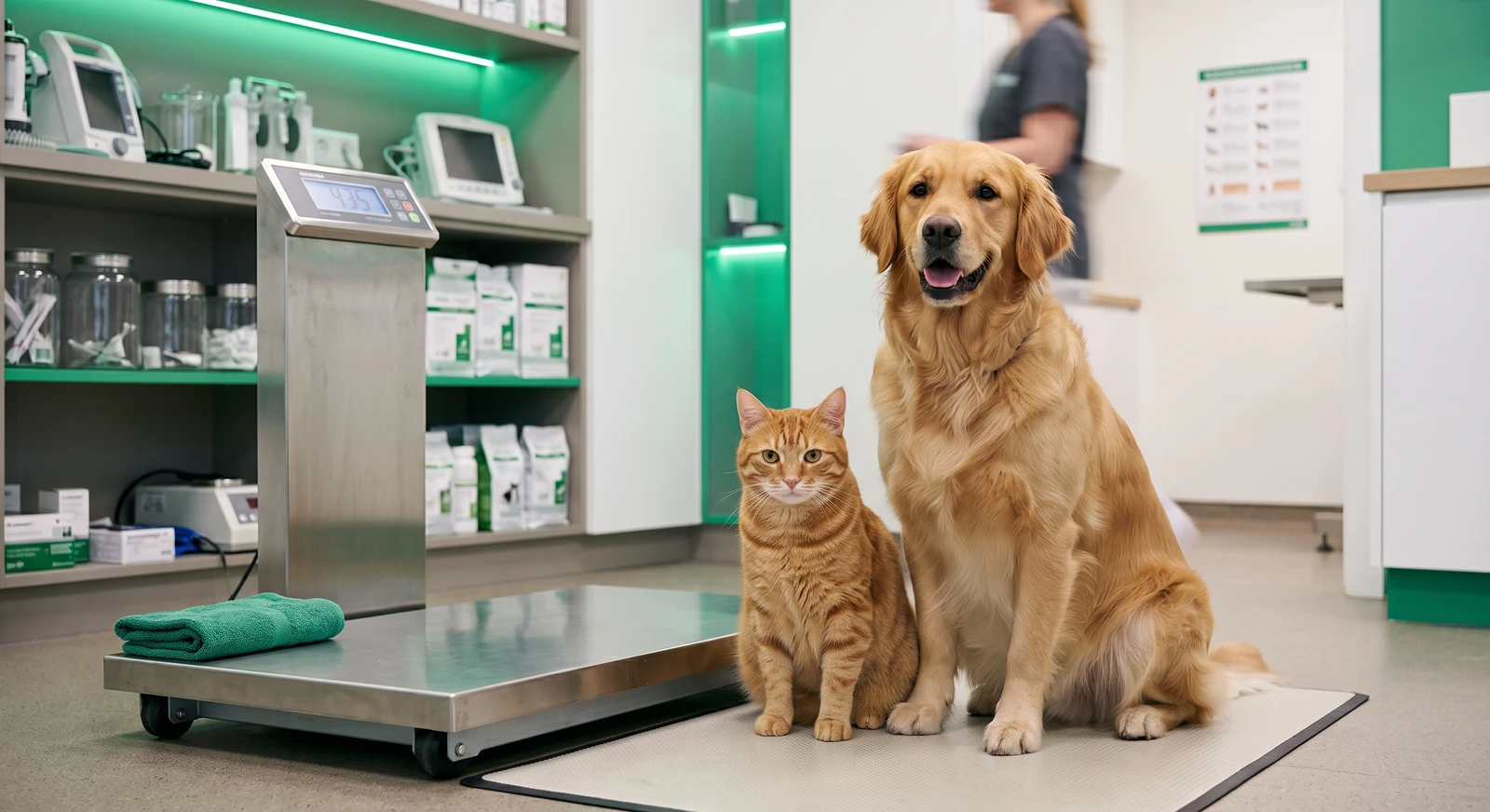
It is a well-known fact that a slightly chubby cat or dog looks incredibly adorable in the eyes of pet owners. The images we come across online of our round, soft-furred friends often bring a smile to our faces. However, behind this “cute” appearance lie very serious medical realities that profoundly affect our pets' quality of life and lifespan. Especially in a region like Mersin, where summer temperatures and humidity levels are high, every extra gram of fat tissue carried on the body translates to a heavy burden on the heart, respiratory system, and joints.
Obesity in pets is currently one of the most common and preventable health issues encountered in veterinary medicine. Understanding how an extra treat given as a sign of love or a small scrap from the table can cause permanent damage to their health in the long run is one of the most fundamental steps of preventive medicine. In this guide, provided as part of Mersin Mezitli veterinary services, the physiological effects of obesity in cats and dogs, body condition scoring, and clinical-level healthy weight loss methods are detailed within a scientific framework.
What You’ll Learn in This Guide
01The Silent Threat to Our Pets’ Health: What is Obesity?
Obesity is defined as the accumulation of fat tissue in the body far beyond the ideal amount. It typically occurs when the caloric intake exceeds the calories burned. In medical literature, a pet is classified as “overweight” if they are 10% to 20% above their ideal weight, and “obese” if they are 20% or more above it.
Obesity is not merely a mechanical or aesthetic problem; it is an active metabolic disease. Contrary to popular belief, accumulated fat tissue (adipose tissue) is not a passive storage area. It acts as an active endocrine organ, continuously secreting pro-inflammatory hormones and cytokines into the body. This creates a state of constant, low-grade chronic inflammation in the animal’s body. Therefore, obesity is considered a systemic condition that requires treatment in its own right.
02Weight Analysis with the Body Condition Score (BCS)
| Condition | Physical Appearance | Rib Palpation | Veterinarian Recommendation |
|---|---|---|---|
| Underweight (BCS 1-3) | Ribs, spine, and hip bones are clearly visible from the outside. The waist tuck is excessive. | No fat layer can be felt over the ribs when touched. | A general examination should be conducted to rule out underlying medical issues, and a special nutrition plan should be created. |
| Ideal (BCS 4-5) | An elegant hourglass waist tuck is visible from above. The abdomen does not sag. | Ribs are not visible from the outside but can be easily counted with a light touch. | The current diet and activity routine should be maintained exactly as is. |
| Overweight (BCS 6-7) | The waist tuck has become indistinct. A slight sagging and rounding begin in the abdominal area. | Light pressure with the fingers is required to feel the ribs. | Food portions must be revised, and daily exercise duration must definitely be increased. |
| Obese (BCS 8-9) | The waist tuck is completely gone. Noticeable fat layers sag around the neck, back, and abdomen. | Ribs cannot be felt even with deep pressure; they are completely covered by fat tissue. | An urgent clinical diet program must be started for dog obesity treatment or a cat weight loss protocol. |
Underweight (BCS 1-3)
Ideal (BCS 4-5)
Overweight (BCS 6-7)
Obese (BCS 8-9)
03Major Health Problems Caused by Obesity
The detrimental effects of excess weight on pets reduces their lifespan by an average of 2 to 2.5 years. The main clinical risks triggered by obesity include:
Joint Disorders (Osteoarthritis): The mechanical pressure of excess weight on the joints leads to rapid wear of cartilage tissue and severe joint pain (osteoarthritis).
Diabetes: Especially in obese cats, the risk of developing Type 2 Diabetes due to cellular insulin resistance is four times higher compared to cats at an ideal weight.
Cardiovascular Strain and Respiratory Distress: An increase in fat tissue forces the heart to work harder to pump blood. Dense fat accumulation in the chest cavity prevents the lungs from expanding to full capacity, causing shortness of breath and rapid fatigue.
Anesthesia and Surgical Risks: In obese animals, fat tissue stores anesthetic agents and delays their clearance, which can negatively impact anesthesia risks and recovery times during potential surgical interventions.
04Common Feeding Mistakes Made at Home
Clinical experience shows that excess weight in pets usually stems from well-intentioned but incorrect feeding habits disguised as displays of affection.
Uncontrolled Treats: Treats should not exceed 10% of the daily caloric requirement. Every extra treat given for training or affection is stored directly as fat.
Table Scraps and Human Food: Bread, cheese, fatty pieces of meat, or saucy foods given to dogs and cats from the table are high-calorie, low-quality bombs that do not suit their metabolism.
Portion Oversizing and Eyeballing: Serving dry food by eye instead of using a measuring cup or precision scale leads to exceeding the daily caloric needs by a wide margin.
Constantly Full Food Bowls (Free-Feeding): Leaving food out 24/7, especially for cats, triggers continuous eating behavior driven by boredom.
05The Healthy Weight Loss Process and Home Precautions
The weight loss process is a long marathon that requires patience. The essential steps to be taken at home for cat weight loss methods and weight control in dogs are as follows:
Precise Portioning: Rations must be weighed gram by gram using a kitchen scale.
Splitting Meals: Instead of giving one large portion a day, it is recommended to divide the daily amount into 3-4 small meals to keep the metabolism active.
Activity and Play: For cats, 15-20 minutes of active play sessions daily with toys that trigger the hunting instinct, such as lasers or wand toys, should be organized; for dogs, walking duration and pace should be increased gradually.
Puzzle Feeders: Hiding a portion of the food inside puzzle toys both slows down eating speed and ensures mental calories are burned.
It is a medical necessity that the diet process of an overweight pet be conducted strictly under the supervision of a professional veterinarian. Especially in cats, crash diets involving prolonged starvation without veterinary control can lead to a very serious syndrome called Hepatic Lipidosis (fatal fatty liver disease).
As Anka Veterinary Clinic in Mersin Mezitli, we adopt a multidisciplinary approach to obesity cases in cats and dogs. The process begins with detailed blood tests to rule out thyroid or hormonal disorders that could be causing the obesity. Then, a nutrition and diet evaluation tailored to our friend’s age, activity level, and general health is performed, and an appropriate veterinary diet food protocol is prescribed. These medical diets are low in fat but contain high-quality fibers that create a feeling of fullness, along with components like L-Carnitine that support fat burning.
Thanks to these transparent and gradual monitoring programs implemented in our clinic, the weight loss process is managed safely to help your friend reach their ideal body condition score and live a longer, healthier life. You can review our general examination service for detailed information or to schedule a check-up.
Short Summary
Pet obesity is a metabolic disease that increases risks of diabetes, osteoarthritis, and cardiorespiratory strain. Structured caloric restriction and exercise restore optimal body condition.
Note from Mersin Ankavet
Maintaining your pet’s ideal weight balance is one of the most valuable health investments you can make. When symptoms of excess weight are noticed, diet programs planned under veterinary supervision will prevent many potential chronic diseases.
Book AppointmentRelated Blog Posts
Sources and Notes
- Merck Veterinary Manual - Obesity in Dogs and Cats
- Cornell University Feline Health Center - Obesity
- Tufts University Clinical Nutrition Service - How to Score Your Pet’s Body Condition
This content has been prepared for informational purposes and does not replace a professional veterinary examination.
Frequently Asked Questions
How do I know if my cat/dog is overweight?
If you have to apply light pressure to feel your pet’s ribs, if the waist tuck has disappeared when viewed from above, and if the abdominal area sags downwards, they are highly likely to be overweight or obese. A Body Condition Score (BCS) evaluation should be done for a definitive diagnosis.
Does homemade food or olive oil help with weight loss?
No. Human-grade foods and added oils increase caloric density, further triggering obesity. The nutritional needs of pets are different from humans; feeding them table scraps does not cause weight loss but rather leads to unbalanced and inadequate nutrition.
Is it mandatory to use veterinary diet food?
Simply reducing the amount of standard food during obesity treatment deprives the patient of essential vitamins, minerals, and proteins. Veterinary diet foods are medically necessary because their low-calorie, high-fiber, and metabolism-supporting structure (with L-Carnitine, etc.) ensures healthy fat burning without muscle loss.
How often should a cat be weighed during the weight loss process?
It is recommended that a cat or dog in the weight loss process be weighed on precision scales at the veterinary clinic ideally every 2 weeks, or at least once a month, to analyze the weight loss curve.
Is rapid weight loss harmful?
It is absolutely harmful. Especially in cats, sudden and rapid weight loss causes the body to suddenly dump fat stores into the liver, leading to the fatal Fatty Liver Syndrome (Hepatic Lipidosis). Weight loss should be planned gradually, aiming for a loss of 1% to 2% of body weight per week.
How can weight gain be prevented after neutering/spaying?
Due to the changing hormonal profile after the procedure, the metabolism slows down by about 20%, and appetite increases. To prevent this from turning into obesity, you should immediately switch to “Sterilised” formulas or foods with appropriate caloric values recommended by your vet, and ensure strict portion control.
Related Service
Nutrition and Diet
For clinical evaluation and a care plan, review the service page connected to this guide.
View ServiceMedical Information Note
This content is for general information only. It does not replace a veterinary examination, diagnosis, treatment, or specific medication/food recommendations. A veterinary examination and individual assessment are required for your pet’s health. In case of emergency symptoms, please contact the nearest open veterinary clinic.
MERSIN MEZITLI PET CARE
Need Professional Guidance for Your Pet?
Are you in Mersin Mezitli? If you notice these symptoms or have any concerns about your pet’s health, consult our AnkaVet veterinarians immediately. English and Russian-speaking support is available!
Your pet deserves quality care.
Get in touch today to discuss your pet’s health or schedule a consultation.