Silent Discomfort: Osteoarthritis and Joint Health in Cats and Dogs
Sedat Çapanoğlu, DVM
Anka Veterinary Clinic
Last updated:
Mustafa Kemal University graduate (2018). After clinical experience in Mersin and a short period in municipal shelter practice, he takes an active role in surgery, emergency care, dental health, and diagnostics.
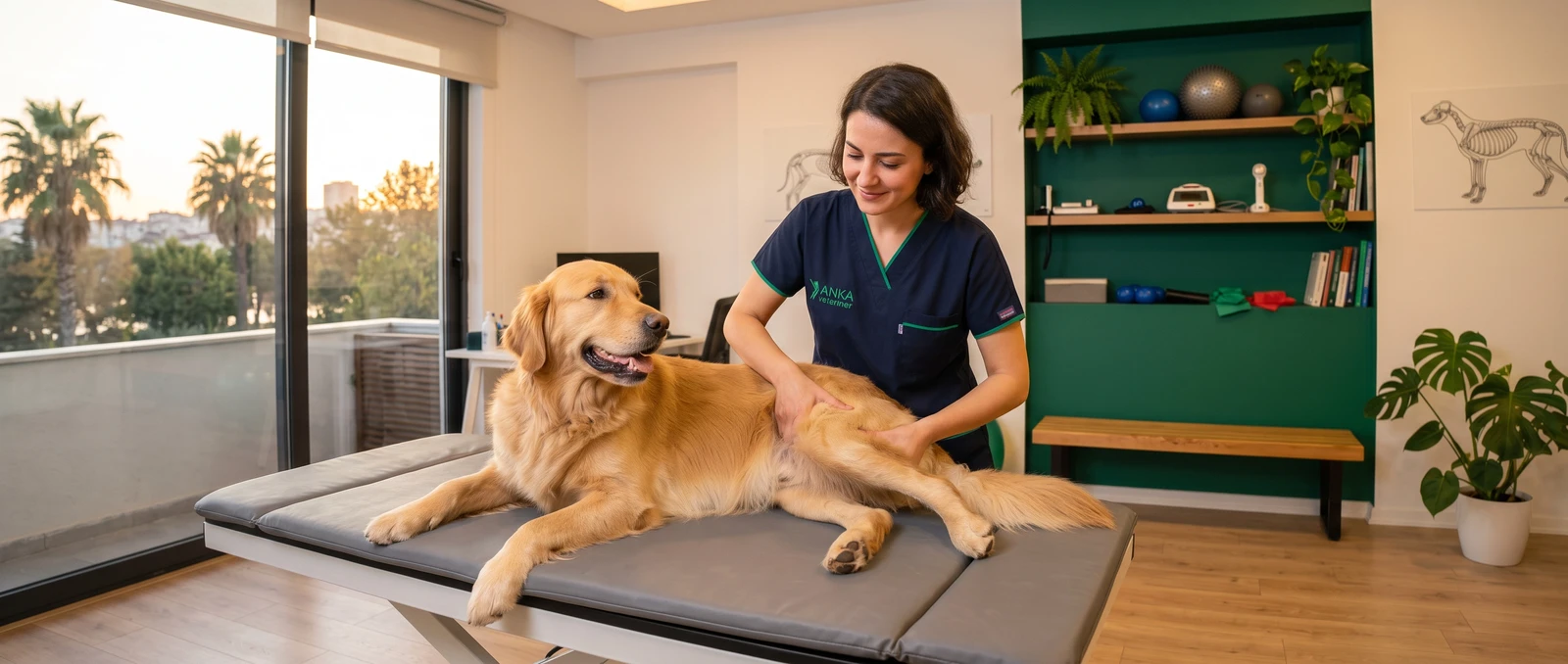
The gradual slowing down of pets, who once ran and played joyfully with boundless energy, is often perceived as an inevitable part of the aging process.
However, this deceleration in movement is not always solely due to aging; it is frequently driven by silently progressing joint degenerations that cause significant pain. Specifically, the high humidity rates and seasonal atmospheric pressure changes characteristic of the Mersin and Mezitli region can exacerbate pain in our pets suffering from joint disorders, much like in humans.
This situation paves the way for them to experience silent discomfort and a progressive decline in their quality of life. This guide addresses the medical foundations of osteoarthritis, a frequently encountered condition in cats and dogs, the insidious symptoms that need to be recognized, and the modern treatment options available, all from a professional preventive medicine perspective.
What You’ll Learn in This Guide
- 1The Hidden Pain of Our Pets: What is Osteoarthritis?
- 2Joint Health Analysis: Early and Advanced Stage Symptoms
- 3How to Recognize Osteoarthritis Symptoms in Cats and Dogs?
- 4Slowing Joint Degeneration: Joint Supplements for Dogs and Cats
- 5Improving Quality of Life: Home Modifications and Weight Control
- 6Sources and Notes
- 7Frequently Asked Questions
01The Hidden Pain of Our Pets: What is Osteoarthritis?
Osteoarthritis, commonly known as degenerative joint disease, is the condition where the smooth cartilage tissue covering the joint surfaces, which allows bones to glide over each other without friction, gradually wears down and thins. When the cartilage tissue is damaged, the quality of the synovial fluid within the joint deteriorates, and the bones begin to rub directly against one another. This friction triggers a chronic inflammatory process in the joint.
As the body attempts to repair this damage, it forms new, irregular bone spurs (osteophytes) at the joint margins. These irregular structures narrow the joint’s range of motion and cause severe pain. Genetic predisposition, rapid growth factors in large breed dogs, obesity, trauma, or natural age-related wear are the primary triggers of this chronic process.
02Joint Health Analysis: Early and Advanced Stage Symptoms
| Clinical Sign | Early Stage (Mild Changes) | Advanced Stage (Severe Osteoarthritis) | Points to Monitor at Home |
|---|---|---|---|
| Mobility | Mild stiffness after waking up in the morning or following long periods of rest. | Continuous lameness, refusal to walk, inability to climb stairs or get onto the couch. | Observing the first steps and stretching after morning sleep. |
| Behavior | Quick fatigue, shortened play sessions, reluctance. | Aggression due to pain, reacting to touch when being petted. | The animal’s reaction when specific areas are touched. |
| Physical Findings | Mild sensitivity in joints and minor asymmetries in walking rhythm. | Swelling in joints, deformity, and muscle atrophy in the legs. | Checking for thinning (decreased muscle mass) in the hind or front legs. |
| Sleep Pattern | Frequently changing sleeping positions, inability to get comfortable. | Nighttime whimpering due to pain, restlessness, or remaining immobile for very long periods. | Sensitivity shown towards the hardness of the sleeping surface. |
Mobility
Behavior
Physical Findings
Sleep Pattern
03How to Recognize Osteoarthritis Symptoms in Cats and Dogs?
The ways in which dogs and cats express pain differ due to anatomical and evolutionary reasons. Osteoarthritis symptoms in dogs are generally easier to read from the outside; hesitating while climbing stairs, struggling to jump into the car, lagging behind on walks, or displaying obvious lameness are frequently encountered scenarios.
Cats, on the other hand, are naturally adept at concealing their pain. Therefore, feline osteoarthritis symptoms progress much more insidiously. A cat with osteoarthritis rarely limps. Instead, it avoids jumping onto cabinets it once easily accessed and uses its scratching post less frequently. Because it loses flexibility in its joints, it cannot groom the rear half of its body, leading to matting and dullness in its fur. If the edges of the litter box are high, it will struggle to enter, which may lead to behavioral changes such as eliminating outside the box. Along with a tendency to withdraw and sleep constantly, these signs should raise a clinical suspicion of osteoarthritis.
04Slowing Joint Degeneration: Joint Supplements for Dogs and Cats
While completely reversing osteoarthritis and restoring cartilage to its original smooth state is not yet possible in modern medicine, slowing the process and managing pain is highly effective. This is where preventive medicine comes into play.
The use of specially formulated dog joint supplements and liquid/powder supplements for cats plays a major role in slowing cartilage degradation. Glucosamine and Chondroitin sulfate are the building blocks of the cartilage matrix; they increase the viscosity of the synovial fluid, acting as shock absorbers. MSM (Methylsulfonylmethane), frequently included in these formulas, acts as a natural anti-inflammatory to alleviate inflammation and pain, while high-quality Omega-3 fatty acids (specifically EPA and DHA) help halt joint degradation at the cellular level. The use of these supplements provides clinical benefits only when applied at appropriate doses and for consistent durations, in accordance with official veterinary guidelines.
05Improving Quality of Life: Home Modifications and Weight Control
In addition to medical interventions, simple environmental modifications made by pet owners at home significantly increase the comfort of a pet with joint disease. When it comes to joint health, the most critical physical factor is weight control. Every extra gram of fat carried in the body exponentially increases the mechanical stress placed on osteoarthritic joints. Therefore, transitioning to calorie-controlled veterinary diets and creating low-impact exercise plans (such as swimming or slow walking) in accordance with geriatric care principles is essential.
Slippery floors inside the home, such as laminate or hardwood, cause the paws of animals trying to stand to slip, leading to micro-traumas in the joints. Placing non-slip rugs or mats, providing small ramps for accessing beds and couches, and choosing supportive orthopedic beds that reflect body heat are steps that directly elevate the quality of life.
Relying solely on painkillers (NSAIDs) in the management of osteoarthritis can strain kidney and liver functions in the long term. Therefore, modern veterinary medicine necessitates multimodal treatment approaches.
As Mersin Ankavet, we implement comprehensive osteoarthritis treatment and pain management protocols for dogs in a clinical setting for our patients suffering from joint pain. Following a detailed general examination and radiological evaluations, a tailored roadmap is drawn up for the patient. In this process, not only is medication utilized, but Mersin veterinary physical therapy applications are also integrated. These include cold laser therapies that accelerate tissue repair, intra-articular injections, passive range of motion (ROM) exercises, and medical massage techniques, offering a holistic orthopedics and physical therapy approach. The goal is to minimize joint restriction, ensuring our friends remain pain-free and mobile even in their advanced years.
Short Summary
Osteoarthritis in senior pets leads to reduced mobility and chronic joint pain. Weight management, physical therapy, joint supplements, and veterinary pain management restore daily comfort.
Note from Mersin Ankavet
Protecting our pets' joint health and providing a pain-free life is one of the primary goals of our preventive medicine. It is vital to perform a clinical evaluation without delay when stiffness or reduced mobility is observed.
Book AppointmentRelated Blog Posts
Sources and Notes
- WSAVA Global Pain Council Guidelines
- AVMA - Osteoarthritis in Dogs and Cats
- AAHA - Pain Management Guidelines
This content has been prepared for informational purposes and does not replace a professional veterinary examination.
Frequently Asked Questions
Can osteoarthritis in pets be completely cured?
Since osteoarthritis is an irreversible wear process in the cartilage tissue, it is medically impossible to completely cure it. However, with appropriate medical interventions, physical therapy, and supportive products, the progression of the disease is slowed, and the patient is enabled to live a pain-free, high-quality life.
When should joint supplements for cats/dogs be started?
In large breed dogs or pets with a genetic predisposition, it is recommended to start using joint supplements in early adulthood as part of preventive medicine, before osteoarthritis symptoms appear. In animals that already have osteoarthritis, they are used continuously as part of the treatment protocol.
Does exercise damage the joints?
Uncontrolled, intense exercises involving jumping and sudden stops can damage compromised joints; however, low-impact and regular movement (short walks, swimming, etc.) is mandatory for joint health to preserve muscle mass. Inactivity leads to muscle atrophy, further increasing the load on the joints.
Does weight loss reduce joint pain?
Yes, excess fat mass in the body not only increases the mechanical stress on the joints, but the cytokines secreted by adipose tissue also fuel systemic inflammation. Returning to an ideal weight is the most critical and effective factor in managing joint pain.
Do cold and humid weather conditions trigger joint pain?
Yes, just as in humans, tissues inside the joint tend to expand during humid and cold periods, especially when atmospheric pressure drops. Since the osteoarthritic and sensitized joint capsule becomes more sensitive to this pressure, the perception of pain increases significantly.
Which breeds are more prone to joint disorders?
In dogs, breeds such as Golden Retrievers, Labradors, German Shepherds, Rottweilers, Great Danes, and overweight Pugs and Bulldogs; in cats, breeds with genetic cartilage mutations such as Scottish Folds (and other folded-ear breeds), as well as Maine Coons, show a higher predisposition to joint and bone diseases.
Medical Information Note
This content is for general information only. It does not replace a veterinary examination, diagnosis, treatment, or specific medication/food recommendations. A veterinary examination and individual assessment are required for your pet’s health. In case of emergency symptoms, please contact the nearest open veterinary clinic.
MERSIN MEZITLI PET CARE
Need Professional Guidance for Your Pet?
Are you in Mersin Mezitli? If you notice these symptoms or have any concerns about your pet’s health, consult our AnkaVet veterinarians immediately. English and Russian-speaking support is available!
Your pet deserves quality care.
Get in touch today to discuss your pet’s health or schedule a consultation.