Urinary Tract Infections in Cats and Dogs: Symptoms, Diagnosis, and Prevention
Sedat Çapanoğlu, DVM
Anka Veterinary Clinic
Last updated:
Mustafa Kemal University graduate (2018). After clinical experience in Mersin and a short period in municipal shelter practice, he takes an active role in surgery, emergency care, dental health, and diagnostics.
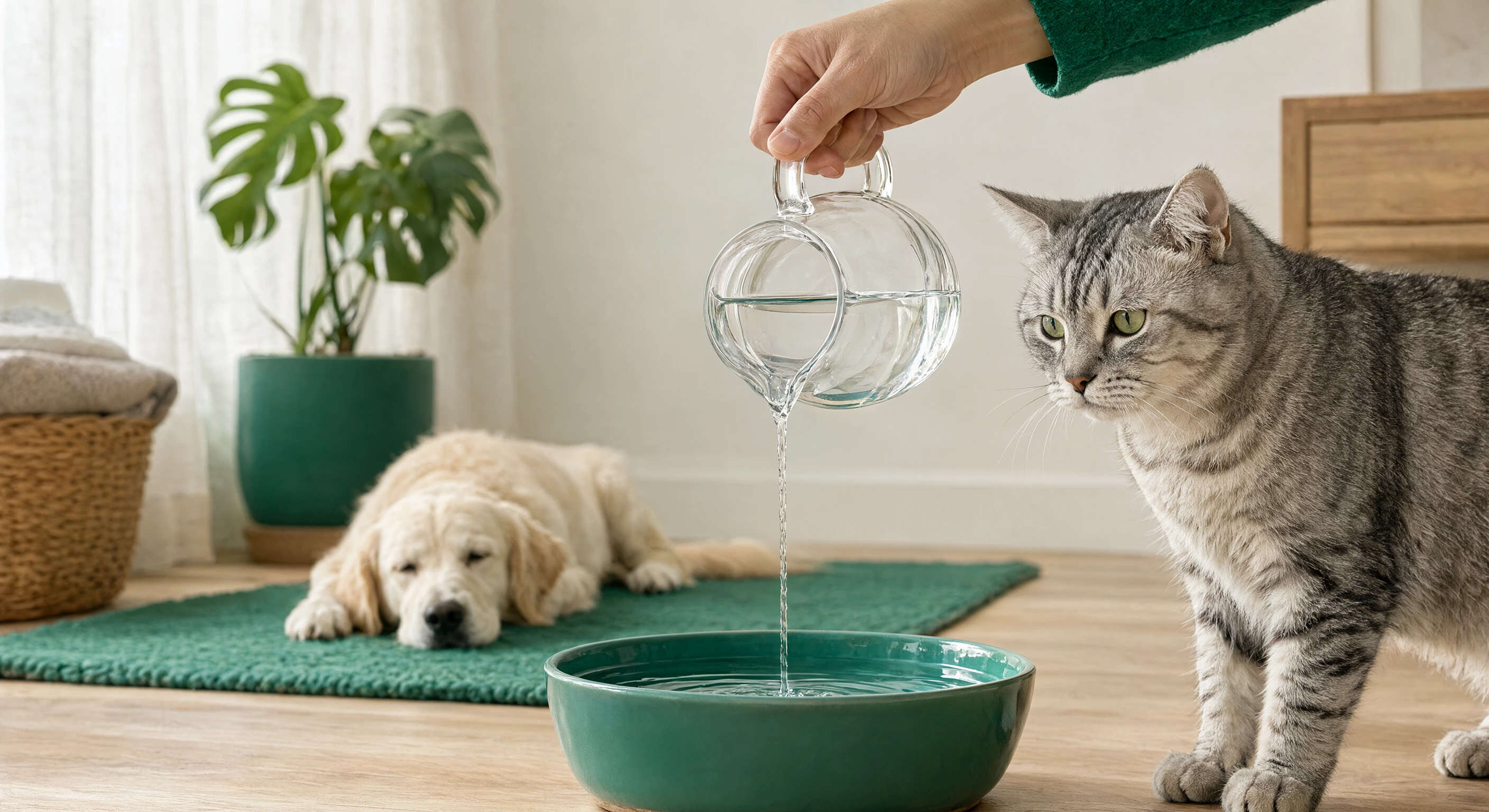
When your cat keeps stepping in and out of the litter box, or your dog stops and squats repeatedly during a walk, urinary tract infection is usually the first thing that comes to mind. Sometimes that guess is right. Other times it hides a completely different problem.
A urinary tract infection is a bacterial inflammation of the urinary tract. Cats and dogs do not follow the same path here. In cats, most lower urinary tract signs are not bacterial at all. In dogs, bacterial infection is clearly more common. Knowing this difference helps you make better decisions at home and avoid unnecessary medication. Below we cover the signs, the emergency threshold, the diagnostic steps, and practical prevention.
What You Will Learn in This Guide
- 1What Is a Urinary Tract Infection and Why Does It Differ Between Cats and Dogs?
- 2Why Are Most Feline Signs Not Bacterial?
- 3Sign, Meaning, and the First Step
- 4A Male Cat That Cannot Urinate: An Emergency Measured in Hours
- 5Diagnosis: Urinalysis, Culture, and Imaging
- 6How Is Treatment Planned and What Should Never Be Done at Home?
- 7Prevention: Litter Box for Cats, Toilet Routine for Dogs
- 8References and Notes
- 9Frequently Asked Questions
01What Is a Urinary Tract Infection and Why Does It Differ Between Cats and Dogs?
The urinary tract is a continuous line made up of the kidneys, the ureters, the bladder, and the urethra. Infection usually starts in the lower portion, in the bladder and the urethra. Bacteria reach the opening of the urethra from the outside and travel upward. When the bladder wall becomes inflamed, urination turns painful, frequent, and sometimes leaky.
In dogs this picture is familiar. Because the female urethra is shorter and wider, bacteria reach the bladder more easily, which is why infection is more common in females. Spayed females may develop incontinence that predisposes them to infection. Bladder stones, diabetes, Cushing's syndrome, anatomical abnormalities, or a suppressed immune system make infection both more frequent and more stubborn.
In cats the story reads differently. Most lower urinary tract signs have no bacteria behind them. Idiopathic cystitis, crystal and stone formation, stress, and anatomical problems dominate the picture. Bacterial infection is relatively rare in young cats. It becomes more common in older cats, and in those with diabetes, chronic kidney disease, a narrowing that obstructs urine flow, or immune suppression.
02Why Are Most Feline Signs Not Bacterial?
The answer lies in feline anatomy and daily habits. Cats tend to drink little, so urine becomes concentrated and the bladder wall is more easily irritated. Any change at home can flare the problem: a new cat, a move, a relocated litter box, a house full of guests. The resulting inflammation is painful but not bacterial, which is why antibiotics alone do not solve it.
In dogs the diagnosis is clearer, yet a repeating infection is still a warning. If the same dog develops a urinary tract infection two or three times a year, an underlying cause needs investigation. Bladder stones, bladder polyps, a congenital anatomical variation, hormonal disease, or inappropriate antibiotic use may sit behind those relapses.
Risk also shifts with age in both species. Overweight animals carry more pressure on the bladder, move less, and retain urine longer. Animals that drink little, eat only dry food, and are left without a toileting opportunity for many hours have a weaker defense.
03Sign, Meaning, and the First Step
The table below summarizes common signs and the first step to take at home. A veterinary examination and a urinalysis are required for a definitive diagnosis.
| Sign | What It Means | What to Do |
|---|---|---|
| Frequent small urinations, straining | Inflammation or blockage in the bladder or urethra | Note the volume and color: Speak with your veterinarian the same day. |
| Pink or red urine | Bleeding in the bladder wall, a stone, or infection | Arrange an examination without delay: Bloody urine always needs assessment. |
| Urinating outside the litter box | Pain, stress, or a reaction to litter box conditions | Clean the box and add another one: Pain requires a veterinary visit. |
| Accidents indoors, leaking while resting | Incontinence or a bladder that is not being emptied | Shorten the interval between walks: If leaking continues, consult a veterinarian. |
| Licking the genital area, restlessness | Discomfort from burning, itching, or pain | Do not wash or apply creams: Describe this behavior during the examination. |
| Fever, poor appetite, vomiting, lethargy | Infection extending to the upper tract or a systemic illness | Go to the clinic without delay: This picture needs urgent assessment. |
Frequent small urinations, straining
Pink or red urine
Urinating outside the litter box
Accidents indoors, leaking while resting
Licking the genital area, restlessness
Fever, poor appetite, vomiting, lethargy
04A Male Cat That Cannot Urinate: An Emergency Measured in Hours
The most critical scenario in cats is complete urethral obstruction, seen mostly in males. Because the male urethra is longer and narrower, a plug of crystals, stone material, or inflammatory debris lodges easily. The cat enters the box, strains for a long time, cries out, and leaves either nothing or a few drops behind.
This can be mistaken for constipation. The way to tell them apart is not posture but output. If there are no urine clumps in the litter, or the clumps have shrunk noticeably, the situation is urgent. A tense abdomen, restlessness, vomiting, and weakness mean the picture has deteriorated further. When urine cannot leave the body, toxins and electrolyte disturbances create a life-threatening risk within hours.
At home, massage, oil, laxatives, or painkillers only waste time. Pick the cat up and drive to the clinic. Obstruction is relieved under veterinary supervision, followed by fluid support, pain control, and electrolyte monitoring. Cats with a history of obstruction need an individually designed prevention plan.
05Diagnosis: Urinalysis, Culture, and Imaging
A urinary tract infection is diagnosed with a sample, not a guess. The first step is a complete urinalysis. Urine density, pH, protein, and blood content are measured, and the sediment is examined under the microscope. The sediment is checked for bacteria, white blood cells, and crystals. This confirms inflammation but cannot say with certainty which bacterium is responsible.
A definitive bacterial diagnosis requires a urine culture and susceptibility testing. Culture shows whether bacteria grow and which antibiotic they respond to. A sample collected directly from the bladder with a needle is the most reliable method and is performed by the veterinarian under appropriate conditions. Samples obtained through the urethra or collected from the litter box can be contaminated by environmental bacteria and may give misleading results.
Imaging is the second pillar. Ultrasound assesses the bladder wall, stones, and sediment. Radiography is helpful with opaque stones and anatomical deviations. Blood work looks for underlying disease: kidney values, blood glucose, thyroid hormone, and electrolytes are all part of the picture. In recurrent infections, all three layers are interpreted together.
06How Is Treatment Planned and What Should Never Be Done at Home?
Antibiotics are an important tool in urinary tract infection, but they are not the answer to every lower urinary tract sign. When a bacterial infection is confirmed by culture, or when suspicion is strong, the veterinarian selects the drug and duration according to the result. Dose and length depend on body weight, kidney function, and susceptibility of the organism. Stopping early opens the door to resistance.
Alongside antibiotics, pain control, fluid support, and an appropriate feeding plan are part of treatment. If stones are present, nutrition and, when needed, procedural options come into play. When an underlying condition such as diabetes or kidney disease exists, the real gain comes from managing it. Avoid these mistakes at home:
- Do not give human antibiotics: Human formulations are dosed and designed for people, and some cause serious adverse effects in pets.
- Do not reuse leftover medication: An antibiotic opened for another illness targets the wrong organism and increases resistance risk.
- Do not choose a painkiller yourself: Some widely used human pain medications can cause kidney damage in cats.
- Do not restrict water: Reducing water intake in an animal with urinary signs makes inflammation worse.
- Do not wait with a cat that cannot urinate: Even hours matter when obstruction is possible, so contact our emergency service without delay.
07Prevention: Litter Box for Cats, Toilet Routine for Dogs
Prevention is built around the daily habits of each species. In cats, increasing water intake is the first goal. Raising the share of wet food, using a running water fountain, and keeping water bowls away from the food bowl all help. The number of litter boxes should be one more than the number of cats; each box should be wide, filled with unscented litter, and deep enough for comfort. Scoop at least once a day, reduce sources of household stress, and protect the cat's access to its own space.
In dogs, the toileting routine is decisive. Long gaps that force the bladder to be held increase the risk of infection and stones. Plan several short but regular walks each day and keep water available at all times. Weight management is a shared priority; excess weight raises pressure on the bladder and limits activity.
Regular veterinary checkups are the backbone of prevention, especially in patients with recurring signs. When diabetes, kidney disease, and hormonal problems are caught early, the frequency of urinary tract infections drops noticeably. A general examination is the first step of that follow-up. Keep these points in the daily routine:
- For cats: One litter box per cat plus one, daily scooping, unscented litter, and a calm placement.
- For dogs: Several toileting breaks a day and a walking routine that prevents long urine retention.
- For both species: A fountain or wet food to raise fluid intake, measured weight, and regular exercise.
- Checkups: At least one general examination a year, with urinalysis and blood work when indicated.
- Early contact: Talk to your veterinarian when signs return instead of searching for a medication.
At Mersin Anka Veterinary Clinic in Mersin Mezitli, the pattern we see most often with urinary signs is a few days of waiting. With bloody urine, repeated straining, urination outside the box, or no urine at all, an examination and a urinalysis are the clearest steps that shape the treatment plan. Noting changes in your cat's litter box habits, how often your dog squats on a walk, and the color of the urine makes the assessment easier. You can book an appointment for the same day so a urine sample is collected and any imaging is arranged.
Short Summary
A urinary tract infection is a bacterial inflammation of the urinary tract. It is more common in dogs, while most lower urinary tract signs in cats have non-bacterial causes. Frequent small urinations, straining, bloody urine, and urinating outside the litter box are the most common signs. A male cat that cannot urinate is an emergency with a life-threatening risk within hours. Diagnosis rests on urinalysis, culture, and imaging, and antibiotics are used only under a veterinarian's plan. Prevention depends on higher fluid intake, a stable litter box routine, weight control, and regular checkups.
A Note from Anka Veterinary Clinic
Short notes kept at home speed up the decision. Urination frequency, volume, color, and changes in the litter box guide the treatment plan during the examination.
Book an AppointmentRelated Blog Posts
References and Notes
- Cornell Feline Health Center - Feline lower urinary tract disease
- AVMA - Feline lower urinary tract disease
- VCA Animal Hospitals - Cystitis in dogs
- Merck Veterinary Manual - Obstructive uropathy in dogs and cats
This content has been prepared for informational purposes and does not replace a professional veterinary examination.
Frequently Asked Questions
What are the signs of a urinary tract infection in cats?
Frequent small urinations, long straining in the litter box, blood in the urine, urinating outside the box, and excessive licking of the genital area are the leading signs. Restlessness, poor appetite, and abdominal pain may accompany them. Because most of these signs are not bacterial in cats, antibiotics are not started without a urinalysis.
Is it an emergency when a male cat cannot urinate?
Yes. The male urethra is longer and narrower, so complete obstruction can develop, and when urine cannot leave the body, toxins and electrolyte imbalances become life-threatening within hours. If there are no urine clumps in the litter or only a few drops appear, go to a clinic without delay.
Why is a urine culture necessary?
A culture identifies which bacterium is growing in the urine and which antibiotic it responds to. Without that information the chosen drug may fail and resistance can develop. In recurrent infections, culture is the key test that guides treatment.
Can I give my pet human antibiotics?
No. Antibiotics made for people are not given to pets. The dose and the active ingredient differ, and some cause serious adverse effects in cats and dogs. Using leftover medication also means targeting the wrong organism and increasing resistance risk.
Does urinating outside the litter box mean an infection?
Not on its own. Pain, stress, a dirty box, too few boxes, or a change of location can all produce the same behavior. Because pain cannot be ruled out at home, an examination is needed when straining or bloody urine accompanies it.
How can I prevent a urinary tract infection from coming back?
Raising fluid intake, keeping one more litter box than the number of cats, and scooping daily are the core steps. In dogs, frequent and regular toileting breaks, weight control, and adequate exercise have a protective effect. If an underlying condition such as diabetes, kidney disease, or stones is present, managing it lowers the recurrence rate.
Related Service
General Examination
For clinical evaluation and a care plan, review the service page connected to this guide.
View ServiceMedical Information Note
This content is for general information only. It does not replace a veterinary examination, diagnosis, treatment, or specific medication/food recommendations. A veterinary examination and individual assessment are required for your pet’s health. In case of emergency symptoms, please contact the nearest open veterinary clinic.
MERSIN MEZITLI PET CARE
Need Professional Guidance for Your Pet?
Are you in Mersin Mezitli? If you notice these symptoms or have any concerns about your pet’s health, consult our AnkaVet veterinarians immediately. English and Russian-speaking support is available!
Your pet deserves quality care.
Get in touch today to discuss your pet’s health or schedule a consultation.