Which Fruits and Vegetables Can Be Given to Cats and Dogs? Guide to Safe Foods, Portions, and Prohibited Items
Şanssım Çapanoğlu, DVM
Anka Veterinary Clinic
Last updated:
Mustafa Kemal University graduate (2019). After internships in Adana and Izmir, she worked in clinical practice in Adana and focuses on preventive medicine and behavior.
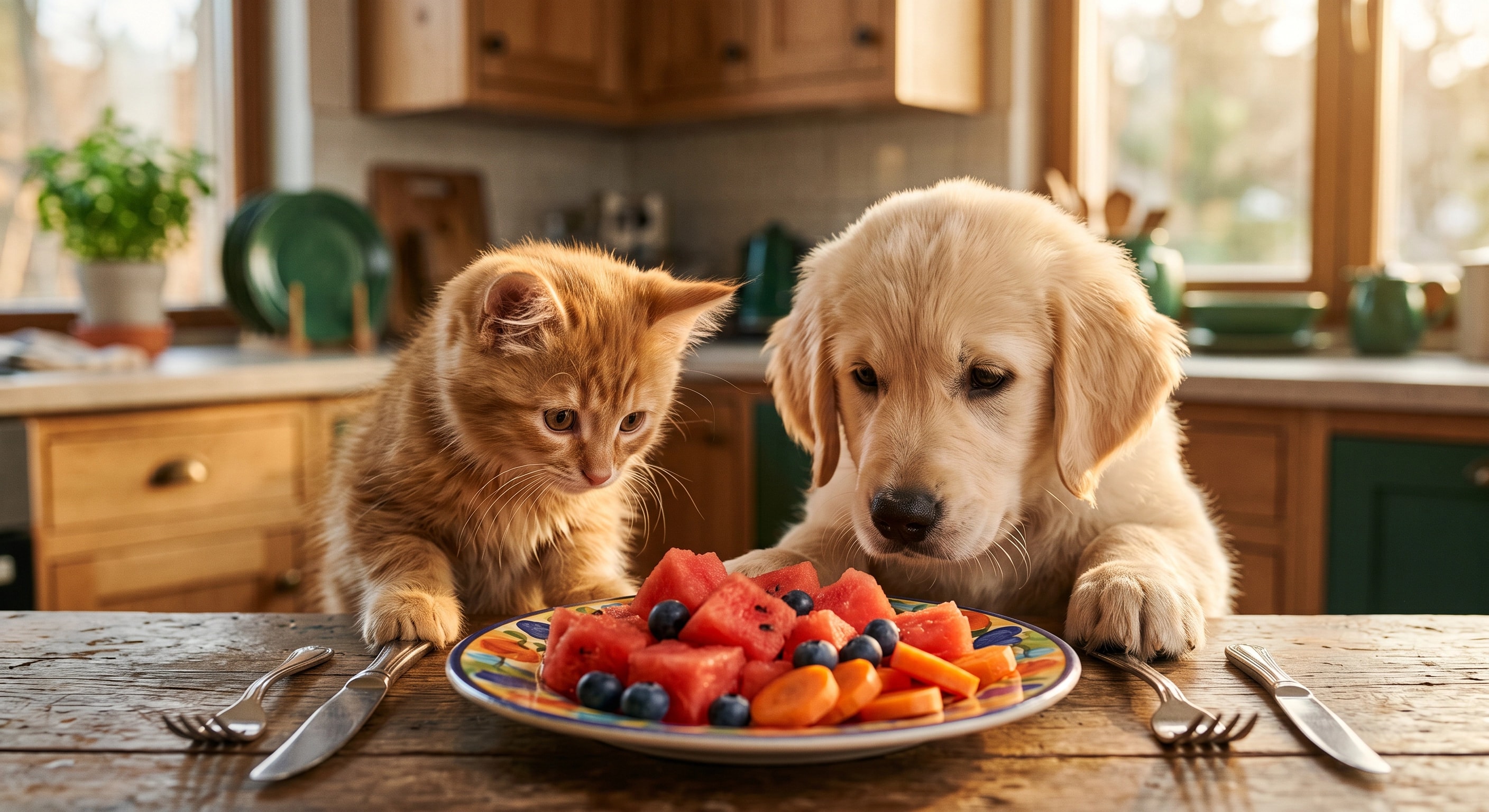
We know very well how hard it is to resist the expectant gaze of your pawed friend watching you with those innocent and loving eyes when you step up to the kitchen counter to prepare your dinner. Sharing a slice of apple or cucumber with them is one of the sweetest ways to strengthen that unique bond between you. Especially during the long and sweltering summer months of Mersin and Mezitli, a refreshing slice of watermelon can be a wonderful source of hydration for both us and our pets.
However, some natural foods in our kitchens that are highly healthy for us can turn into a serious source of toxins for the differently functioning metabolisms of cats and dogs. There are major differences between human digestive enzymes and those of pets. For this reason, a seemingly innocent single grape or a small piece of onion can lead to conditions requiring emergency veterinary intervention within seconds. In this encyclopedic guide, we illuminate which fruits and vegetables in your kitchen are a vitamin bomb for your friend, which ones you should definitely stay away from, and the medical safety rules you must follow when preparing these foods, from a cheerful yet highly professional perspective.
What You Will Learn in This Guide
- 1The Logic of Supplemental Food in Pet Nutrition and the 10% Calorie Rule
- 2100% Safe and Healing Fruits for Cats and Dogs
- 3Safe Low-Calorie Vegetables that Support Digestion
- 4Comprehensive Fruit and Vegetable Guide Comparison Table
- 5Toxic and Fatal Foods That Should Never Be Given
- 6Hygiene and Safety Rules to Consider When Preparing Fruits and Vegetables
- 73 Refreshing and Healthy Pet Recipes You Can Make at Home in the Mersin Heat
- 8Veterinary Nutrition Counseling and Appointment Planning in Mezitli, Mersin
- 9Academic Sources and Further Reading
- 10Frequently Asked Questions
01The Logic of Supplemental Food in Pet Nutrition and the 10% Calorie Rule
The basic nutritional needs of cats and dogs must be met with high-quality dry or wet foods specially formulated for them. These foods perfectly contain the balance of protein, fat, vitamins, and minerals that a living creature needs. Supplemental foods, on the other hand, should not be considered a main meal, but merely as a “treat” or “snack”.
As veterinary nutritionists, there is a golden standard we strictly underline: The 10% Calorie Rule. The sum of all fruits, vegetables, and treats you give your friend must absolutely not exceed 10% of their total daily required caloric intake. The remaining 90% portion must definitely come from their main food. Natural sugar (fructose) found in fruits can rapidly raise blood sugar and pave the way for obesity when consumed in excess. Vegetables and fruits added uncontrollably on top of a balanced main diet can disrupt the intestinal flora, leading to problems such as diarrhea or gas complaints.
02100% Safe and Healing Fruits for Cats and Dogs
Here are the safe fruits that can make wonderful contributions to your friend’s immune system when portioned correctly:
- Watermelon (Seedless and Rindless): Consisting of 92% water, watermelon is an excellent refresher and fluid source, especially in the hot Mediterranean summers. It supports cell health thanks to the vitamins A, B6, C, and potassium it contains. Its rind and seeds must absolutely be removed.
- Blueberries and Strawberries: These small red and purple fruits are nature’s most powerful antioxidants. They slow down cellular aging, support brain functions, and protect cognitive health, especially in older (geriatric) dogs. Strawberries should be given divided into small pieces.
- Apple (Seedless): Being a storehouse of vitamins A and C, apples also regulate the digestive system thanks to the fibers they contain. Chewing apple slices helps clean plaque buildup on dogs' teeth. However, since apple seeds contain cyanide-derivative substances, they must absolutely not be swallowed.
- Banana: It is a highly rich energy source in terms of potassium, vitamin B6, and vitamin C. However, since it contains a high rate of natural sugar, it is ideal to give it once or twice a week in thin slices.
- Melon and Pear: These are sweet and nutritious fruits with a high water content. When presented in small cubes after peeling off their seeds and hard outer skin, they become a delicious summer treat for both cats and dogs.
03Safe Low-Calorie Vegetables that Support Digestion
Low-calorie vegetables are wonderful lifesavers for pets at risk of obesity or going through a diet process:
- Carrot (Raw or Boiled): It is rich in beta-carotene (vitamin A) and supports eye health. While gnawing on a raw carrot acts as a natural teether for dogs, its boiled pureed form can be a soft snack for cats.
- Pumpkin (Unsalted and Boiled): It is virtually a miracle for digestive problems in veterinary medicine. It solidifies the stool by absorbing water in cases of diarrhea, and stimulates the intestines with its high fiber rate in cases of constipation. It must absolutely be given as a sugar-free and spice-free puree.
- Cucumber: It consists almost entirely of water and has near-zero calories. It is one of the most ideal, crunchy, and refreshing treats for overweight dogs who need to watch their figure.
- Green Beans and Zucchini: With their high-fiber structures creating a feeling of fullness, they are great for filling the food bowl of dieting dogs. They should be given steamed and without added salt.
04Comprehensive Fruit and Vegetable Guide Comparison Table
| Food Name | Cat / Dog Suitability | Main Health Benefit | Preparation and Portion Method |
|---|---|---|---|
| Watermelon | Suitable for both | High hydration support, vitamin A and C | Rindless and seedless, small cubes. |
| Apple | Suitable for both | Fiber source, support for teeth cleaning | Thin slices with seeds completely removed. |
| Blueberry | Suitable for both | Powerful antioxidant, brain protector | Whole or slightly mashed, 3-4 pieces a day. |
| Banana | Suitable for both | Potassium store, energy booster | High sugar content, very rare and thin slices. |
| Carrot | Suitable for both (Boiled for cats) | Beta-carotene, natural toothbrush | Raw or unsalted boiled small pieces. |
| Cucumber | Suitable for both | Low calorie, ideal diet treat | Peeled thin rings. |
| Pumpkin | Suitable for both | Fiber regulator in diarrhea and constipation | Unsalted and unspiced, well-mashed puree. |
| Green Beans | Mostly suitable for dogs | Filling, low calorie, digestion-friendly | Chopped and steamed. |
Watermelon
Apple
Blueberry
Banana
Carrot
Cucumber
Pumpkin
Green Beans
05Toxic and Fatal Foods That Should Never Be Given
The foods below are in the “Red Alert” category and must be kept absolutely out of pets' reach:
- Grapes and Raisins: This is one of the most insidious known dangers for cats and dogs. Although its toxic mechanism is still not fully deciphered by the scientific world, even a single grape can cause acute (sudden) kidney failure, leading to fatal results.
- Onion, Garlic, Leek, and Chives: Plants in this family contain a toxin called N-propyl disulfide. This substance attacks pets' red blood cells, causing the cells to break down (Heinz body anemia). Whether cooked or raw does not change its toxic effect.
- Avocado: A fungicidal toxin called persin found in it causes diarrhea and vomiting in cats and dogs. In addition, because it has a very high fat content, it exhausts the pancreas, paving the way for severe pancreatitis crises.
- Chocolate, Cocoa, and Caffeine: As we all know, the substance Theobromine in chocolate cannot be metabolized by dogs and cats. It overstimulates the nervous system, causing heart attacks and fatal seizures.
- Xylitol (Artificial Sweetener): Found in sugar-free gums and some peanut butters, this substance triggers a massive insulin release the moment it enters dogs' bloodstream, creating fatal hypoglycemia (blood sugar drop) and liver necrosis.
- Citrus Rinds and Oils: Although the fleshy parts of fruits like lemon, orange, and grapefruit are not harmful, the essential oils in their rinds and seeds can cause central nervous system depression and severe stomach irritations, especially in cats.
06Hygiene and Safety Rules to Consider When Preparing Fruits and Vegetables
When preparing any kind of supplemental food you will give to your friend, you should show the same care as if preparing your own plate. The first rule is to wash them with plenty of water to remove pesticide residues.
To prevent choking hazards, fruits should always be chopped into bite-sized, small cubes. The pits of fruits like cherries, plums, and peaches are not only poisonous due to the cyanide they contain but also create intestinal blockages when swallowed, resulting in conditions requiring emergency surgical intervention. It is also very important to follow the “one new food at a time” rule we apply to observe the possibility of allergies. When you try a new fruit, you need to monitor whether there is diarrhea or itching for 24 to 48 hours.
073 Refreshing and Healthy Pet Recipes You Can Make at Home in the Mersin Heat
During the sweltering months of Mersin, we have three practical, healthy, and refreshing recipes that will both increase your pawed friends' fluid intake and cheer them up:
- Watermelon and Cucumber Electrolyte Ice Cubes: Run completely deseeded watermelon pieces and peeled cucumbers through a food processor. Pour the resulting liquid puree into ice molds and freeze. It will be a wonderful fluid supplement for them to lick in the summer heat.
- Yogurt and Blueberry Ice Cream: Mash and mix a few blueberries with a tablespoon of plain (sugar-free and unsweetened) homemade yogurt. Spread this mixture onto a Lick Mat and pop it in the freezer. The probiotic effect of the yogurt soothes the intestines, while blueberries provide antioxidant support.
- Pumpkin and Chicken Broth Fiber Puree: Mash boiled pumpkin with the broth of chicken breast you boiled without salt and spices to make a puree. It is a highly nutritious treat to soothe the stomach of our friends with sensitive digestive systems or mild diarrhea complaints.
08Veterinary Nutrition Counseling and Appointment Planning in Mezitli, Mersin
While utilizing the power of natural foods is a wonderful approach, every pet’s metabolism is as unique as a fingerprint. The supplemental food process requires a much more delicate balance, especially for our friends who are prone to obesity, have kidney failure, or have been diagnosed with diabetes.
As Mersin Anka Veterinary Clinic, we stand by your friend not only in times of sickness but also to ensure they live a healthy life. In our clinic, thanks to our laboratory and imaging unit where we comprehensively examine your friend’s blood values, we determine the most appropriate nutritional model for their organ functions. During weight management, allergy testing, and transitioning to clinical diet foods, we elevate your friend’s quality of life to the highest level with personalized nutrition and diet planning prepared by our expert physicians.
Short Summary
Offering fruits and vegetables to our pet friends is a great way to reward them healthily and help them cool down during the summer months. Foods such as watermelon, blueberries, carrots, and cucumbers provide great benefits to the immune system when given in appropriate portions and without seeds. However, it is the golden rule that all supplemental foods given should not exceed 10% of the daily total caloric need.
On the other hand, foods in our kitchen such as grapes, onions, garlic, avocados, and chocolate are extremely toxic substances that directly threaten the lives of cats and dogs. Should your friend consume these prohibited foods, it is of vital importance to seek clinical support without wasting time. Proceeding by consulting a professional veterinarian whenever you have doubts about your pet’s diet is the safest step.
Nutrition and Diet Consultation at Anka Veterinary Clinic
Book an appointment today to maintain your pet’s ideal weight, perform allergy evaluations, or design a customized nutritional diet plan.
Book an AppointmentRelated Blog Posts
Academic Sources and Further Reading
- ASPCA - People Foods to Avoid Feeding Your Pets
- WSAVA - Global Nutrition Committee Guidelines
- Cornell University Feline Health Center - Feeding Your Cat Dietary Guidelines
This content has been prepared for informational purposes and does not replace a professional veterinary examination.
Frequently Asked Questions
Can dogs eat the rind and seeds of watermelon?
Absolutely not. While the juicy red part of watermelon is very beneficial, the hard green rind cannot be digested, leading to dangerous blockages in the intestines. The seeds also create a similar risk of blockage. Watermelon must always be given peeled and in seedless cubes.
Why are cats less enthusiastic about eating vegetables compared to dogs?
Cats are biologically “obligate carnivores”. They do not have taste receptors on their tongues that detect sweetness; therefore, fruits are not appealing to them. Also, for their basic life functions, they need taurine and high-quality animal protein they can get from meat, not from plants.
Can fruits be given to a diabetic or kidney patient pet?
This situation is very risky. Giving high-sugar fruits (banana, melon) to diabetic patients dangerously fluctuates blood sugar. In kidney patients, the potassium and phosphorus levels in fruits and vegetables can exhaust the kidneys. Any supplemental food to be given to friends with chronic diseases must absolutely be approved by a veterinarian.
My dog accidentally ate 1-2 grapes, what should I do?
Grape poisoning is not directly proportional to the dose; meaning, even a giant dog can go into acute kidney failure from a single grape. The moment you realize your dog has eaten a grape, you should immediately go to the veterinary clinic without wasting time at home. With early intervention, a gastric lavage (inducing vomiting) should be performed before the toxins mix into the blood.
Do frozen fruits harm pets' throats?
Freezing fruits is a great method, especially on hot days or to soothe the gums of teething puppies. However, if fruits are given in very large and hard blocks, they create a choking hazard. It is much safer to mash the fruits into a puree before freezing or to spread them on a Lick Mat.
What vegetable puree can I give my cat instead of milk or yogurt?
Since cats and dogs cannot digest the lactose in cow’s milk, dairy products generally cause diarrhea. Instead, pumpkin, boiled and pureed without salt and spices, is an excellent and safe alternative to soothe the intestinal flora and balance diarrhea or constipation.
Related Service
Nutrition and Diet
For clinical evaluation and a care plan, review the service page connected to this guide.
View ServiceMedical Information Note
This content is for general information only. It does not replace a veterinary examination, diagnosis, treatment, or specific medication/food recommendations. A veterinary examination and individual assessment are required for your pet’s health. In case of emergency symptoms, please contact the nearest open veterinary clinic.
MERSIN MEZITLI PET CARE
Need Professional Guidance for Your Pet?
Are you in Mersin Mezitli? If you notice these symptoms or have any concerns about your pet’s health, consult our AnkaVet veterinarians immediately. English and Russian-speaking support is available!
Your pet deserves quality care.
Get in touch today to discuss your pet’s health or schedule a consultation.