Why Do Cats Love Cardboard Boxes? The Scientific Secrets Behind the Box Obsession
Şanssım Çapanoğlu, DVM
Anka Veterinary Clinic
Last updated:
Mustafa Kemal University graduate (2019). After internships in Adana and Izmir, she worked in clinical practice in Adana and focuses on preventive medicine and behavior.
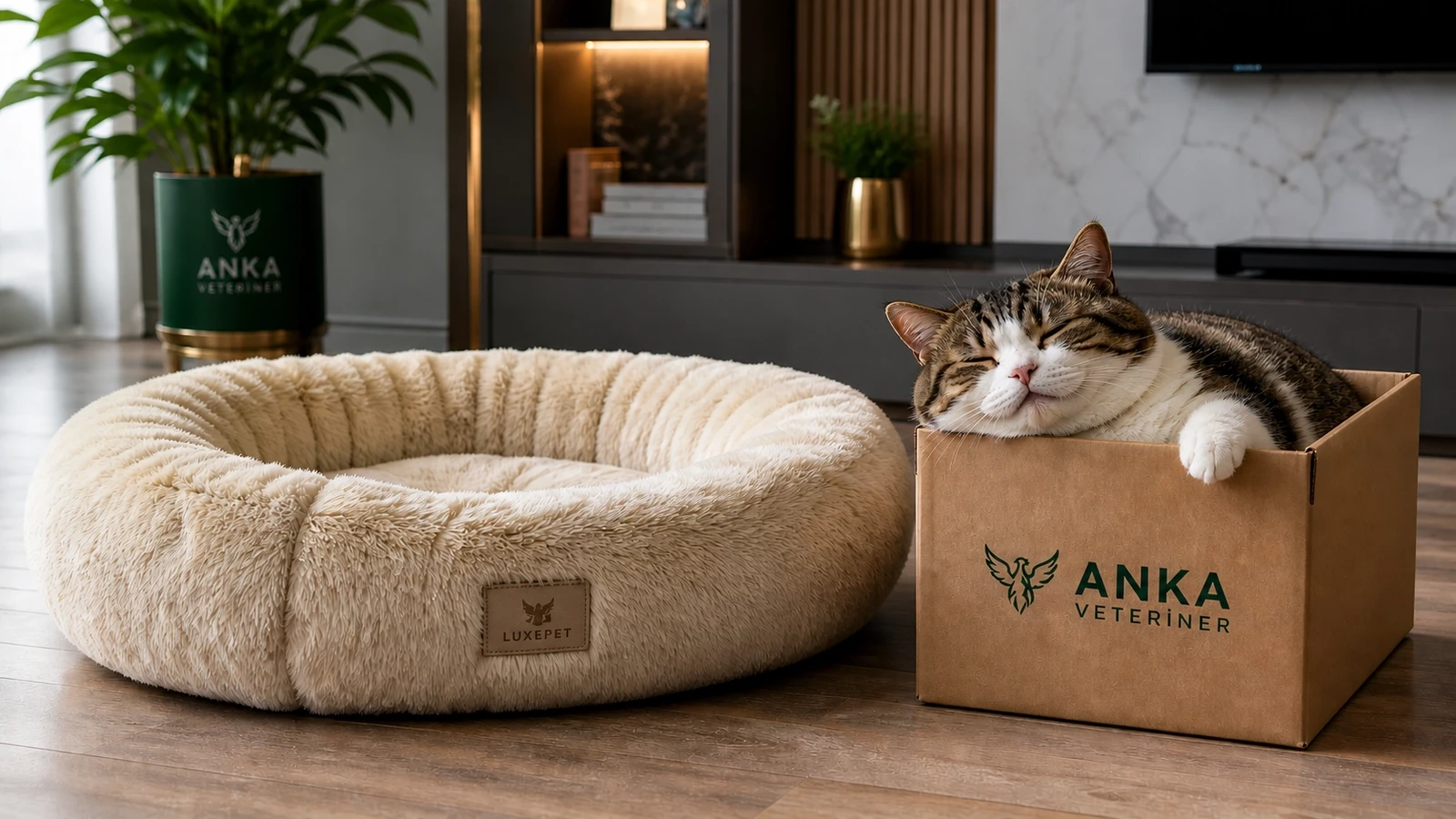
You buy an expensive, soft cat bed with great excitement, only to watch your cat ignore it and curl up inside the plain cardboard box it arrived in. Almost every cat owner has seen some version of this scene.
Cardboard boxes are not just funny little play zones for cats. They can meet several needs at once: safety, hiding, warmth, and stress regulation. In this guide, the science behind the box obsession is explained along with suggestions for daily life.
What You’ll Learn in This Guide
01Scientific Reality: A Box Can Mean Less Stress
A cat’s love for boxes is more than a cute preference. In a shelter study from Utrecht University, cats given boxes to hide in showed faster stress reduction and adapted to their new environment more quickly.
Cats often cope with stress by withdrawing rather than confronting it directly. A box gives them exactly that kind of protected retreat: a place to hide, watch, and recover.
02The Hunter Instinct: Ambush and Security
Cats are natural ambush predators. Inside a box, the walls protect their sides and back while they monitor the world through a single opening.
That sudden playful “attack” on your ankle as you walk past the box is often part of this ambush pattern. The box is both a watchtower and a camouflage zone for a cat.
03Why Is Cardboard So Thermally Appealing?
Cats prefer warmer environments than humans do. What feels comfortably neutral to humans may still feel slightly cool to them.
Corrugated cardboard works as a decent insulator. In a narrow box, your cat’s body heat stays trapped more easily, turning the inside into a warmer resting space than many open beds or slick surfaces.
04Why Do Cats Enjoy Tight Spaces?
Cats often try to fit into spaces that seem surprisingly small. That “snug” feeling may help some cats feel more settled and contained.
This connects well with the safety-map idea discussed in the cat and dog body language guide: many cats feel calmer in spaces they can physically define and control.
05Why Do Cats Chew and Eat Cardboard?
You may notice that your pet does not just sleep in cardboard boxes but also eagerly chews or tears their edges. Cats chewing cardboard is usually driven by a desire to satisfy hunting instincts, soothe their gums, or relieve boredom.
However, there is a critical distinction: if your cat does not just bite and spit out the pieces but actually swallows them (eats cardboard), this behavior is classified as Pica. Eating cardboard can cause severe intestinal blockages, making a veterinary evaluation essential in such cases.
06Box Tactics for Clinic Visits
Many cats dislike their carriers because those carriers only appear right before a veterinary trip. Over time, that creates a negative association.
Leaving the carrier open at home and placing a cardboard surface or soft fleece inside can help your cat adopt it as a resting place. This often makes transport and clinical visits far less stressful. At Anka Veterinary Clinic in Mersin Mezitli in Mersin Mezitli, we closely monitor our patients with tailored preventive protocols.
If box-seeking is accompanied by excessive hiding, tension, or unusual behavior, behavior and psychology counseling may help look at the full picture more carefully.
Short Summary
Cardboard boxes provide cats with security, insulation, and stress reduction. Providing secure, elevated, and enclosed spaces is an essential aspect of feline environmental enrichment.
Note from Mersin Ankavet
For many cats, cardboard boxes are part hiding place, part warm bed, part play zone, and part stress-management tool. The box should still be clean, safe, and free from small pieces that may be swallowed.
Book AppointmentRelated Blog Posts
Sources and Notes
- AAFP (Feline Environmental Needs Guidelines)
- ISFM (Feline Behavior and Welfare Guidelines)
- ASPCA (Why Cats Love Cardboard Boxes)
This content has been prepared for informational purposes and does not replace a professional veterinary examination.
Frequently Asked Questions
Why do cats chew cardboard and bite boxes?
Cats chew cardboard to clean their teeth, play, or mimic hunting instincts. The smell and texture of cardboard also encourage them to bite. Most cats just shred and spit it out.
My cat eats cardboard, is it dangerous?
Yes, if your cat swallows (eats) cardboard pieces, it can lead to dangerous intestinal blockages. Eating non-food items can indicate a behavioral or nutritional issue known as Pica, which requires a veterinary consultation.
Can I give shipping boxes directly to my cat?
It is better to first make sure the box is clean, dry, and safe. Boxes with tape, staples, sharp edges, or chemical residue are not ideal for cats.
Why does my cat choose the box instead of an expensive bed?
A cardboard box may feel warmer, safer, and more enclosed. New beds can smell unfamiliar or feel too open for some cats.
Do cats really use boxes to reduce stress?
Yes. For many cats, enclosed spaces offer a chance to retreat, hide, and regulate stress more effectively. Shelter-based research supports this idea.
Can the same “box logic” help with carrier training?
Often yes. If the carrier becomes part of daily home life instead of only appearing before vet visits, many cats handle transport more calmly.
Related Service
Behavior and Psychology
For clinical evaluation and a care plan, review the service page connected to this guide.
View ServiceMedical Information Note
This content is for general information only. It does not replace a veterinary examination, diagnosis, treatment, or specific medication/food recommendations. A veterinary examination and individual assessment are required for your pet’s health. In case of emergency symptoms, please contact the nearest open veterinary clinic.
MERSIN MEZITLI PET CARE
Need Professional Guidance for Your Pet?
Are you in Mersin Mezitli? If you notice these symptoms or have any concerns about your pet’s health, consult our AnkaVet veterinarians immediately. English and Russian-speaking support is available!
Your pet deserves quality care.
Get in touch today to discuss your pet’s health or schedule a consultation.