Do Cats and Dogs Dream? The Mysterious Sleep World of Our Pets
Sedat Çapanoğlu, DVM
Anka Veterinary Clinic
Last updated:
Mustafa Kemal University graduate (2018). After clinical experience in Mersin and a short period in municipal shelter practice, he takes an active role in surgery, emergency care, dental health, and diagnostics.
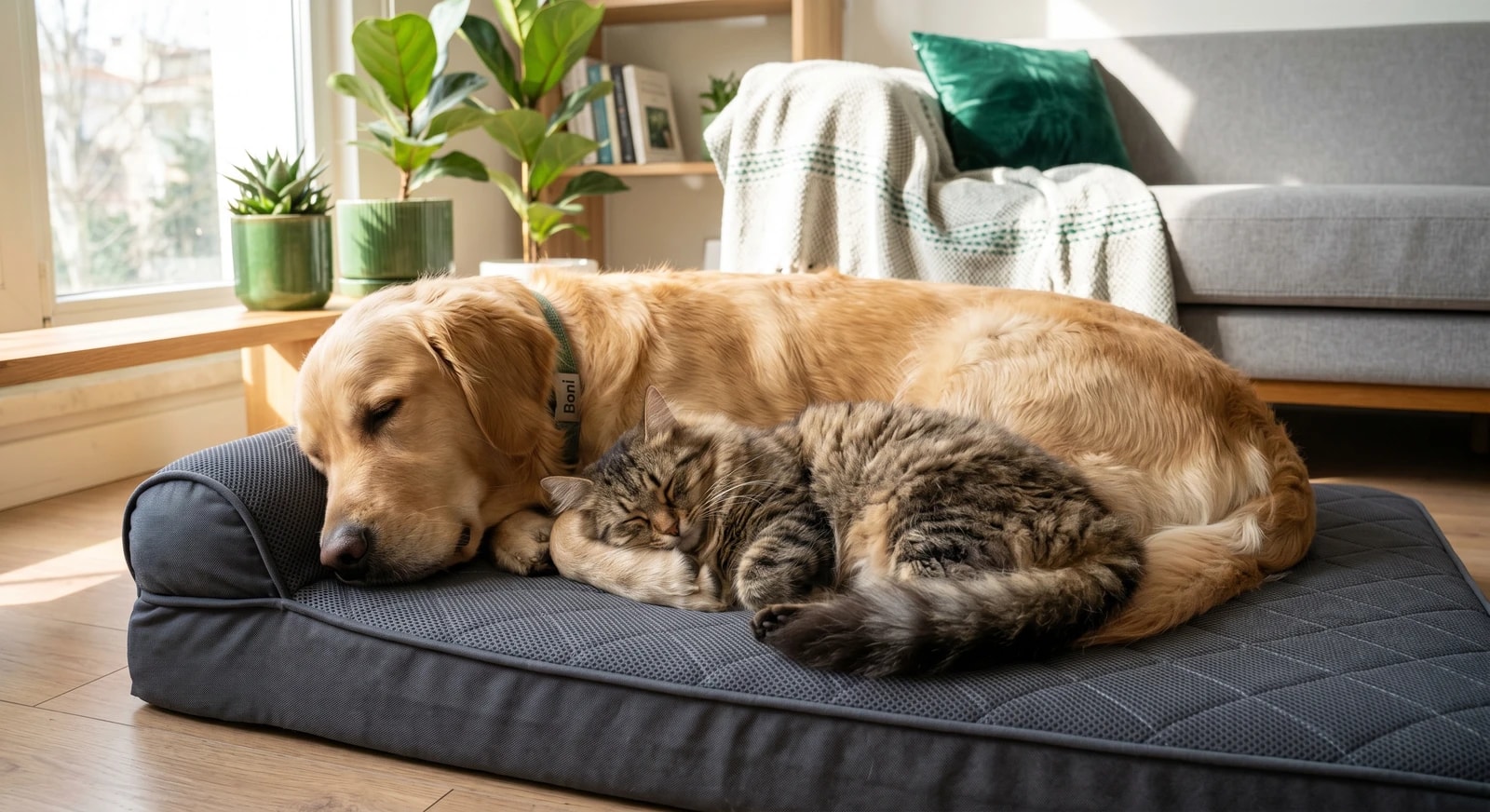
On a quiet and calm night, there are few things as peaceful as watching your friend deeply asleep at the edge of the couch or in the corner of their bed. Amidst those serene moments, you might notice your cat’s whiskers twitching slightly, or your dog’s paws making running motions in the air as if chasing an invisible object, perhaps even letting out soft barks or purrs. While watching these sweet movements, the question “What are they dreaming about right now?” often comes to mind. So, do cats really dream, and what are the biological facts behind these adorable sleep behaviors?
Mersin’s infamous heat and intense humidity, which peak during the summer months, deeply affect not only human sleep quality but also that of cats and dogs. These interesting behaviors during the sleep of these companions, who shift around all night just to find a cool tile, are actually scientific miracles where the brain processes the day’s data, and learning and memory functions work effectively. This guide by Anka Veterinary Clinic in Mersin Mezitli explores the mysterious sleep world of pets, detailing the scientific foundation of dreams and how to provide them with the most comfortable sleep during warm Mediterranean nights.
What You Will Learn in This Guide
- 1Sleep Physiology in Cats and Dogs: REM and Non-REM Stages
- 2Comparison of Sleep Stages
- 3How to Tell if a Pet is Dreaming?
- 4Approaching a Sleeping Friend: Why You Shouldn’t Wake Them Suddenly
- 5Designing a Comfortable Sleep Area in the Mersin Summer Heat
- 6The Effect of Daytime Activity Levels on Nighttime Sleep
- 7The Relationship Between Nutrition and Sleep Quality
- 8Managing Pet Behavioral and Sleep Disorders in Mersin Mezitli
- 9Sources and Notes
- 10Frequently Asked Questions
01Sleep Physiology in Cats and Dogs: REM and Non-REM Stages
The sleep processes of pets, just like in humans, consist of structural stages where brain waves differentiate. The first stage of sleep, “Slow Wave Sleep” or Non-REM, is a resting phase where the body physically repairs itself, the heart rate slows down, and breathing deepens. In this stage, brain waves are slow and regular.
About 20 minutes after falling asleep, the brain transitions into the REM (Rapid Eye Movement) stage. Just as in humans, this is the phase where pets experience dreams. During REM sleep, brain activity speeds up and becomes irregular, almost as if the animal is awake. The brain “replays” the events, games, scents, and commands experienced during the day to record them into memory (memory consolidation). To learn more about how our pets perceive the world around them, you can read our article on how cats and dogs see, hear, and smell the world.
02Comparison of Sleep Stages
| Topic | State A (Non-REM - Deep Rest) | State B (REM - Dream Stage) | Points to Watch at Home |
|---|---|---|---|
| Brain Activity | Slow, regular; physical body repair occurs. | Fast, irregular; memory and information processing are active. | Your pet is sensitive to being disturbed during these sleep stages. |
| Eye & Muscle Movements | Eyelids closed, muscles completely relaxed. | Rapid movements under the eyelids, muscle twitching. | Know that these movements are physiological; do not worry. |
| Breathing & Sounds | Deep, regular, slow breathing. | Shallow and irregular breathing; whimpering, soft barking, or purring. | Sudden breaths are not a sign of illness, but a reflection of a dream. |
Brain Activity
Eye & Muscle Movements
Breathing & Sounds
03How to Tell if a Pet is Dreaming?
A cat or dog dreaming during REM sleep displays miniature and reflexive versions of the behaviors they exhibit while awake. Constant whisker twitching, tremors in facial muscles, paws making running motions, ears flattening back and perking up, tail wagging, and soft vocalizations during sleep are proof that your friend is actively inside a dream at that moment. When this brings up the question of do dogs dream, the answer is a resounding yes, validated by these externally observable physical clues.
Age is a very important factor here. In newborn puppies and kittens, the region in the brainstem called the “Pons,” which stops muscle movements during sleep, is not yet fully developed. Therefore, puppies twitch, jerk, and move much more in their sleep compared to adult dogs. In senior pets, this braking mechanism can weaken over time, causing them to have quite active dream sessions in their sleep, much like puppies.
04Approaching a Sleeping Friend: Why You Shouldn’t Wake Them Suddenly
The saying “Let sleeping dogs lie” is based on very old and accurate wisdom. You might think your cat or dog is having a nightmare because they are whining or breathing rapidly in their sleep; however, waking them up suddenly by touching them is extremely dangerous.
Consciousness is closed during a dream. The first reaction of an animal jolted awake from a deep nightmare (along with the startle reflex) is usually intense fear and an instant defensive instinct. This can lead to your friend involuntarily biting you, scratching violently, and experiencing intense psychological stress. If you think they are having a bad dream and want to comfort them, absolutely do not touch them; simply calm them down by saying their name in a voice so soft and gentle that it won’t wake them. Most of the time, they will get through the dream phase on their own and return to deep sleep.
05Designing a Comfortable Sleep Area in the Mersin Summer Heat
Ambient temperature is a critical factor for pets to get quality sleep. The high temperature and humidity of Mersin Mezitli cause long-haired and flat-faced (brachycephalic) pets to be restless at night, wake up frequently, and search for cooler spots.
During the summer months, it is a good choice to position your pet’s bed away from direct sunlight, preferably near tiles or cool floors. Special cooling mats containing gel drastically increase sleep comfort. However, windows left open to cool the house or heavily working air conditioners should not blow directly onto the pet (creating a draft). This invites muscle stiffness and respiratory infections. To protect against the effects of hot weather, you can also review the guide on protecting pets from heatstroke in the Mersin heat.
06The Effect of Daytime Activity Levels on Nighttime Sleep
Cats and dogs practically relive the experiences they have during the day in their dreams. If you have a friend who is mentally and physically tired during the day, learns new games, socializes, and explores, their dreams will be much more varied and their sleep much deeper.
Especially on hot days in Mersin, it is vital to shift walking and play hours to the very early morning or the cool hours after sunset to prevent heatstroke. These evening walks and play sessions provide a perfect foundation for your friend to release their energy in a healthy way and fall into a much more peaceful and stress-free sleep at night.
07The Relationship Between Nutrition and Sleep Quality
The quality of sleep is also directly linked to the comfort of the digestive system. Large and heavy portions given right before bedtime or late at night tire your pet’s stomach and make digestion difficult, which can lead to interrupted sleep and even trigger nightmares caused by stomach discomfort. It is healthier to divide the daily ration into appropriate hours.
Additionally, since water consumption will increase on hot summer nights, ensuring your friend always has access to clean, cool water near their sleeping area will prevent dehydration and reduce nighttime awakenings.
08Managing Pet Behavioral and Sleep Disorders in Mersin Mezitli
Sleep is one of the clearest mirrors of health status. If your friend is excessively restless throughout the night, wakes up with sudden jerks, pants heavily in their sleep (a sign of sleep apnea), or has trouble falling asleep, there may be an underlying medical reason. Especially in older cats and dogs, waking up at night, becoming disoriented in the house, or crying senselessly can be a sign of Cognitive Dysfunction Syndrome (pet dementia) or hypertension.
Within the scope of our veterinary practices in Mersin Mezitli, as Mersin Ankavet Veterinary Clinic, which provides service with a preventive medicine approach, we carefully evaluate not only the physical but also the behavioral and sleep pattern changes of your friend. During our general examination processes, we offer personalized treatment and care plans so that your friend can spend their golden years in peace by diagnosing any underlying respiratory, cardiac, or neurological problems early.
Short Summary
Cats and dogs dream just like humans during the REM stage in their brains, processing what they experience during the day. Those sweet twitches and paw movements in their sleep are extremely natural physiological processes. When you feel that your friend is having a nightmare or is restless in their dream, waking them up suddenly by touching them can lead to dangerous reflexes and stress. Instead, quieting the environment and softly whispering their name is the safest way. Planning daytime activities during cooler hours, using cooling mats, and avoiding heavy meals before sleep will ensure your friend gets a much healthier and more restful sleep during the hot months in Mersin.
Note from Mersin Ankavet
Our pets' sleep quality and dream frequency are important indicators of their overall nervous system health. If you encounter sleep disorders or unusual behaviors, you can book an appointment for a detailed evaluation.
Book AppointmentRelated Blog Posts
Sources and Notes
- PetMD - Do Dogs Dream?
- Merck Veterinary Manual - Behavioral Problems of Dogs (Sleep connection)
- PetMD - Do Cats Dream?
This content has been prepared for informational purposes and does not replace a professional veterinary examination.
Frequently Asked Questions
What do cats and dogs see in their dreams?
According to scientific research, pets dream about the experiences they have during the day, just like humans. While a dog probably dreams about chasing their favorite toy, tracking scents outside, or playing with their owner; a cat might dream about stalking prey, chasing a bug, or being in a soothing grooming session.
Should I wake my pet if they are twitching or crying in their sleep?
Absolutely not. An animal suddenly awakened by touch during sleep may involuntarily bite or scratch, thinking they are under threat (due to the startle reflex). If you think they are having a bad dream and want to comfort them, it is enough to simply say their name in a soft and gentle tone that won’t interrupt their sleep, without touching them.
Do animals have nightmares like humans?
Yes, they can. A bad memory, a visit to the vet, a loud thunderclap, a fight they had outside, or separation anxiety can be reflected in their dreams. In these situations, they may whimper or breathe rapidly in their sleep; this is a completely natural mental processing.
Is it normal for my senior pet to wake up and cry at night?
No, senior pets waking up at night and barking, meowing senselessly, or losing their way around the house can be a sign of medical issues such as Cognitive Dysfunction Syndrome (animal dementia), severe joint pain, or hypertension. A veterinary examination should definitely be planned for such nighttime restlessness.
Why do puppies move more in their sleep than adults?
In young animals, the region in the brainstem called the “Pons,” which restricts muscle movements and keeps the body still during the REM stage of sleep, is not yet fully developed. Therefore, they cannot stop their muscles while dreaming and twitch, jerk, and move much more compared to adults.
What can I do to improve my friend’s sleep quality in the Mersin heat?
To increase sleep quality in hot and humid weather, you can place cooling gel mats on your pet’s bed and move the bed to a cool, tiled corner away from direct sunlight. You can increase sleep comfort by preventing air conditioners from blowing directly on them (protecting them from drafts) and keeping clean, cool water available throughout the night.
Related Service
General Examination
For clinical evaluation and a care plan, review the service page connected to this guide.
View ServiceMedical Information Note
This content is for general information only. It does not replace a veterinary examination, diagnosis, treatment, or specific medication/food recommendations. A veterinary examination and individual assessment are required for your pet’s health. In case of emergency symptoms, please contact the nearest open veterinary clinic.
MERSIN MEZITLI PET CARE
Need Professional Guidance for Your Pet?
Are you in Mersin Mezitli? If you notice these symptoms or have any concerns about your pet’s health, consult our AnkaVet veterinarians immediately. English and Russian-speaking support is available!
Your pet deserves quality care.
Get in touch today to discuss your pet’s health or schedule a consultation.