Canine Distemper in Dogs: Transmission, Symptoms, and Prevention
Sedat Çapanoğlu, DVM
Anka Veterinary Clinic
Last updated:
Mustafa Kemal University graduate (2018). After clinical experience in Mersin and a short period in municipal shelter practice, he takes an active role in surgery, emergency care, dental health, and diagnostics.
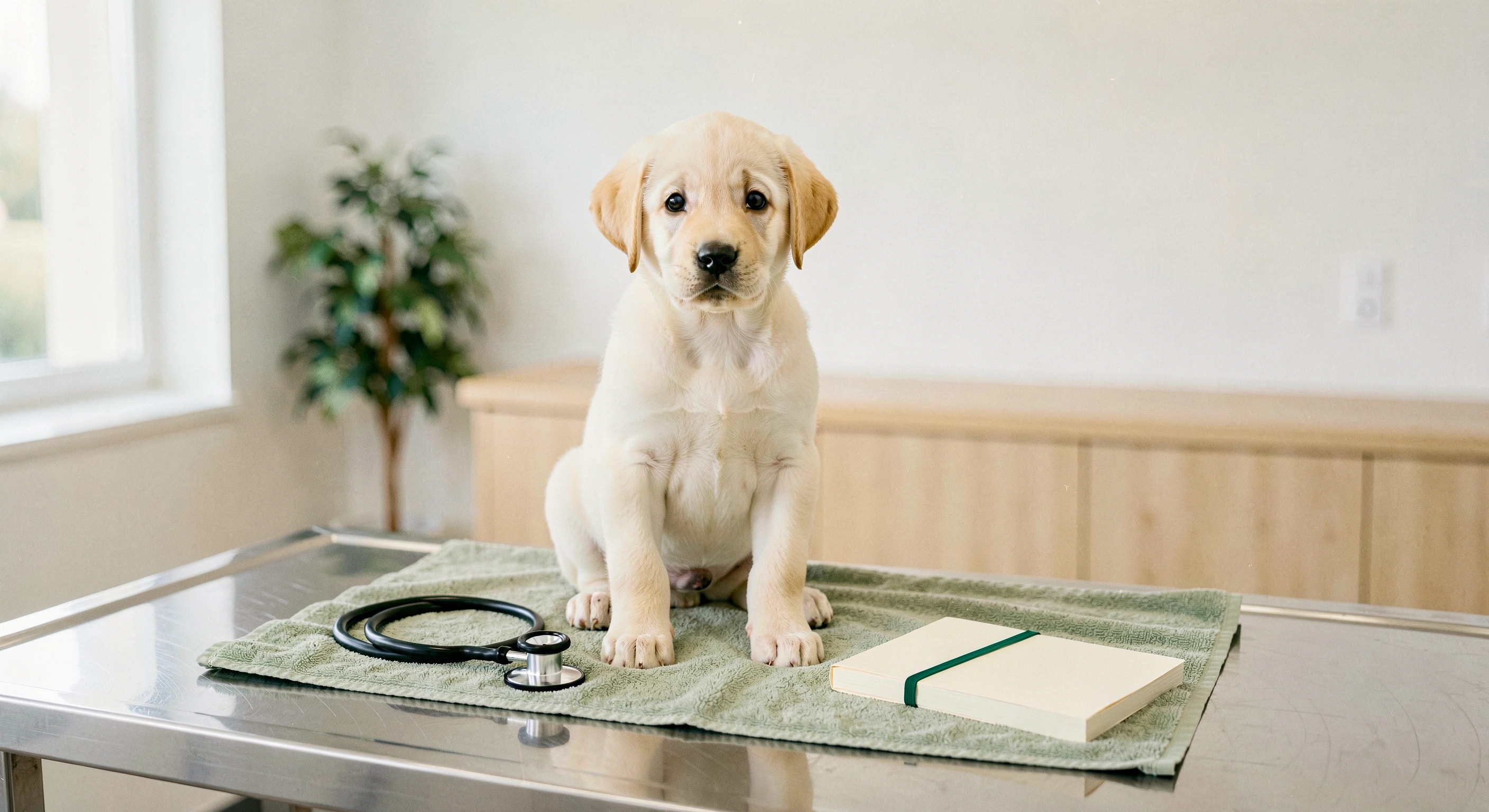
Watching a lively puppy suddenly lose its playful spark and curl up in a quiet corner naturally worries any dog owner. When a young dog ignores its morning bowl of kibble or shows clear discharge from the nose, one might easily mistake it for a harmless cold.
In the canine world, however, symptoms that appear mild at first can be the opening stage of a life-threatening illness. Canine distemper stands at the top of that list. Distemper is a contagious, highly dangerous viral disease that continues to claim lives despite the availability of effective vaccines for decades. Any sign left unnoticed gives the virus time to spread through vital organ systems. In this guide, we explain how the disease spreads, how to recognize its symptoms early, and how to build a reliable protection plan for your puppy.
What You Will Learn in This Guide
- 1What Is Canine Distemper and How Does It Spread?
- 2Disease Stages and Recognizing Urgency
- 3Signs, Meaning, and What to Do
- 4Why Are Puppies at Higher Risk?
- 5Diagnostic Methods and the Reality of Treatment
- 6The Foundation of Prevention: Vaccination Schedules
- 7Creating a Safe Environment Indoors and Outdoors
- 8References and Notes
- 9Frequently Asked Questions
01What Is Canine Distemper and How Does It Spread?
Canine distemper is a severe viral disease that attacks the respiratory, gastrointestinal, and central nervous systems of dogs simultaneously. The causative agent is the Canine Distemper Virus, a pathogen closely related to the human measles virus. Once it enters the body, the virus rapidly infects lymphatic tissues before traveling through the bloodstream to epithelial surfaces and the brain.
Transmission occurs mainly through close contact with respiratory secretions from an infected dog. When an infected dog barks, coughs, or sneezes, it releases microscopic droplets laden with viral particles over short distances. Inhaling these droplets at close range is enough to infect a susceptible dog. The virus also sheds in urine, feces, saliva, and nasal secretions. Shared water bowls, contaminated food bowls, and shared toys can act as vehicles, but they are secondary to close respiratory contact because the virus does not persist long in the environment. Shoes and clothing worn around an infected dog may also carry the pathogen, although this route is less dominant than direct respiratory exposure. Because of this high level of contagiousness, the virus spreads rapidly where unprotected dogs congregate.
02Disease Stages and Recognizing Urgency
Canine distemper typically starts with a cyclical fever that often goes unnoticed. Within three to six days after infection, an initial fever spike occurs. At this stage, the puppy may only seem slightly lethargic, and the fever frequently subsides on its own for a brief period. The truly severe clinical stage begins during the second week when the virus infiltrates internal organs and epithelial tissues.
During this second wave, respiratory and digestive signs become prominent. The eyes and nostrils develop watery discharge that quickly turns into thick, yellow-green mucus. A persistent dry or productive cough sets in. Complete loss of appetite follows, accompanied by severe vomiting and foul-smelling diarrhea that leads to rapid dehydration. As the illness progresses, the virus damages the outer skin layers. The tissue on the paw pads and nasal planum becomes unusually hard, thick, and cracked. In veterinary medicine, this hallmark presentation is known as hardpad disease.
The most critical and devastating phase occurs when the virus crosses into the brain and spinal cord. Neurological involvement manifests as rhythmic jaw twitching resembling chewing gum, localized muscle tremors, head tilts, loss of balance, and violent seizures.
03Signs, Meaning, and What to Do
The table below summarizes common clinical signs and the first step to take at home. A veterinary examination is essential for a definitive diagnosis.
| Sign | What It Means | What to Do |
|---|---|---|
| Thick yellow discharge from eyes and nose | Widespread viral infection in the respiratory tract with secondary bacterial invasion | Gently clean crusts with a warm, damp cloth: Take your dog to a veterinary clinic promptly. |
| Persistent high fever and total lack of appetite | The immune system is attempting to fight the virus while systemic exhaustion sets in | Never administer human fever medications: Consult a veterinarian to assess hydration and vitals. |
| Severe vomiting and watery diarrhea | Widespread involvement of the gastrointestinal lining and critical fluid depletion | Withhold solid food temporarily: Seek immediate clinical fluid therapy and supportive intervention. |
| Hardened, cracked paw pads and dry nose | Epithelial hyperkeratosis caused directly by the viral infection | Avoid applying harsh over-the-counter ointments: Point out this symptom directly to your veterinarian. |
| Involuntary chewing movements and tremors | Direct evidence that the virus has reached the central nervous system | Place the dog in a cushioned, quiet space to prevent injury: Seek immediate emergency veterinary care. |
Thick yellow discharge from eyes and nose
Persistent high fever and total lack of appetite
Severe vomiting and watery diarrhea
Hardened, cracked paw pads and dry nose
Involuntary chewing movements and tremors
04Why Are Puppies at Higher Risk?
While distemper can infect unvaccinated dogs of any age, it causes its greatest damage in puppies between six weeks and four months old. The underlying reason is their immature immune system, which cannot mount an independent, robust antibody response against an aggressive pathogen.
Newborn puppies receive initial protection through maternal antibodies ingested via their mother's first milk, known as colostrum. These maternal antibodies shield the puppy during its first weeks of life. However, their concentration declines steadily over time. The critical issue is the immunity gap: Maternal antibodies may drop too low to fend off wild distemper virus, yet remain high enough to neutralize the protective effect of an injected vaccine. If an exposed puppy encounters the virus during this vulnerable window, its body cannot defend itself. Furthermore, puppies possess small fluid reserves, meaning that a single day of continuous vomiting and diarrhea can cause life-threatening hypovolemic shock. For these reasons, distemper progresses far faster and far more severely in puppies than in mature dogs.
05Diagnostic Methods and the Reality of Treatment
Distemper cannot be diagnosed with certainty based on visible symptoms alone, because early cough, fever, and digestive upset mimic several other common canine infections. A definitive diagnosis requires a thorough physical examination paired with laboratory confirmation. Rapid antigen tests using swabs from ocular or nasal discharge can be performed during an initial visit. Complete blood counts provide valuable insight by showing characteristic drops in white blood cell counts. In ambiguous cases, polymerase chain reaction (PCR) tests that detect viral genetic material can support the diagnosis. Results are interpreted together with clinical findings, and a negative rapid antigen test does not rule out the disease.
Regarding treatment, every pet owner must understand one fundamental reality: There is currently no specific antiviral medication that directly destroys the canine distemper virus inside the patient. All veterinary medical care focuses entirely on supporting the dog's vital functions until its own immune system can overcome the infection. This approach is known as supportive therapy. Intravenous fluids and balanced electrolytes are administered to counteract severe dehydration. Because a compromised immune system leaves the body open to opportunistic secondary infections, a targeted veterinary-prescribed supportive protocol is initiated. If neurological tremors or seizures develop, medications designed to control central nervous system activity are selected. Keeping the patient isolated in a warm, quiet, and hygienic room is vital to recovery.
06The Foundation of Prevention: Vaccination Schedules
Vaccination remains one of the most effective protections against canine distemper. A systematic immunization protocol substantially lowers the risk posed by a pathogen with an alarming mortality rate. To ensure your puppy develops reliable immunity, follow these core steps:
- Puppies typically receive their initial core combination vaccine between six and eight weeks of age.
- Doses are repeated every three to four weeks to bridge the window when maternal antibodies decline.
- The final puppy booster must be administered at or after 16 weeks of age to ensure lasting protection.
- A booster or serological check is recommended around 26 weeks of age after the final puppy dose; core vaccines are then generally repeated every three years. Rabies and other vaccines follow local product labels and your veterinarian's risk assessment.
Occasionally, owners express shock when an animal that received a vaccine still falls ill. This occurrence usually stems from an incomplete puppy series where the animal never finished all required boosters. In other instances, persistent maternal antibodies neutralize the vaccine antigen before the puppy's body can generate its own memory cells. Lastly, if a puppy was already incubating the wild virus before receiving the injection, clinical disease may still emerge despite the vaccination effort.
07Creating a Safe Environment Indoors and Outdoors
Until your puppy has completed its vaccination series, keep it away from high-risk areas such as public parks, shared toileting spots, and dogs with unknown vaccination status. This does not mean complete social isolation: controlled contact with healthy, fully vaccinated dogs and socialization in safe indoor environments should be encouraged. Free walks on public streets and visits to areas where unfamiliar dogs eliminate remain risky.
If you bring a new dog into your home where another dog already lives, keep the new pet quarantined in a separate room for at least two weeks. This observation window allows any incubating viral illness to become apparent before cross-contamination occurs. Remove outdoor shoes before entering living quarters and wash your hands thoroughly after returning from outside. Canine distemper virus is fragile when exposed to standard disinfectants; routine cleaning of floors and bedding helps maintain a safe environment. To coordinate a sound preventative healthcare plan and guide your puppy through its vaccination milestones safely, you can consult the veterinary team at Mersin Anka Veterinary Clinic for guidance.
Short Summary
Canine distemper is a vaccine-preventable viral infection that can still be fatal. Transmission occurs mainly through respiratory secretions and close contact, while contaminated surfaces play a secondary role; puppies face the highest risk because of the immunity gap. Definitive diagnosis requires a veterinary examination and laboratory testing, while treatment relies on supportive care. The most reliable protection is a complete vaccination series ending at 16 weeks of age or later, followed by a booster or serological check around 26 weeks, combined with controlled socialization and avoidance of high-risk areas.
A Note from Anka Veterinary Clinic
Sharing your puppy's vaccination card and recent behavioral changes during an examination helps us build a safer preventive care plan.
Book an AppointmentRelated Blog Posts
References and Notes
- Merck Veterinary Manual - Canine distemper
- VCA Animal Hospitals - Distemper in dogs
- WSAVA - Global guidelines for vaccination
- American Kennel Club - Distemper in dogs
This content has been prepared for informational purposes and does not replace a professional veterinary examination.
Frequently Asked Questions
Can canine distemper be transmitted to humans?
No, canine distemper is not a zoonotic disease and does not cause illness in humans. The virus affects dogs, ferrets, and certain wild carnivores. However, people can carry the virus on contaminated shoes, clothing, and hands, unintentionally exposing unvaccinated dogs at home.
Can a vaccinated dog get canine distemper?
Yes, although it is uncommon. If a dog did not complete its puppy series, missed booster doses, or had high levels of maternal antibodies that interfered with the vaccine, full immunity may not develop. In fully vaccinated adult dogs, breakthrough infections are rare; when they occur, signs are usually milder.
Does a dog that recovers from distemper have immunity?
Yes, dogs that survive canine distemper typically establish strong, long-lasting immunity against reinfection. This natural immunity often protects the dog for years. Routine veterinary examinations and ongoing core vaccination remain important for protection against other infectious diseases.
When can a puppy safely go outside?
Keep puppies away from parks, shared toileting areas, and dogs with unknown vaccination status. This does not mean complete social isolation: controlled contact with healthy, fully vaccinated dogs and socialization in safe indoor environments should be encouraged. The final puppy dose is given at 16 weeks or later, with a booster or serological check around 26 weeks.
What should be done if there are other dogs in the house?
If you suspect distemper in one dog, isolate it in a separate room immediately and start strict quarantine. Have your veterinarian check the vaccination records of the other dogs without delay. Separate all feeding bowls, water dishes, bedding, and toys, and clean shared surfaces thoroughly with an effective disinfectant.
Which symptoms require an immediate veterinary visit?
Yellow or green purulent discharge from the eyes and nose, an unyielding fever, persistent vomiting, severe diarrhea, or involuntary muscle twitching require immediate professional attention. Neurological signs such as jaw snapping can indicate that the virus has reached the nervous system, making prompt intervention important.
Does a dog that survives distemper suffer lasting damage?
Long-term consequences can persist depending on how severely the infection affected the nervous system and other tissues. Dogs that overcome the neurological phase may retain permanent muscle twitching (myoclonus), mild coordination problems, or recurrent seizures. Puppies infected while their adult teeth were forming may show permanent enamel hypoplasia (developmental defects), discoloration, and hardened paw pads.
Related Service
General Examination
For clinical evaluation and a care plan, review the service page connected to this guide.
View ServiceMedical Information Note
This content is for general information only. It does not replace a veterinary examination, diagnosis, treatment, or specific medication/food recommendations. A veterinary examination and individual assessment are required for your pet’s health. In case of emergency symptoms, please contact the nearest open veterinary clinic.
MERSIN MEZITLI PET CARE
Need Professional Guidance for Your Pet?
Are you in Mersin Mezitli? If you notice these symptoms or have any concerns about your pet’s health, consult our AnkaVet veterinarians immediately. English and Russian-speaking support is available!
Your pet deserves quality care.
Get in touch today to discuss your pet’s health or schedule a consultation.