Mersin’s Insidious Mediterranean Threat: The Sandfly and Leishmaniasis (Oriental Sore)
Şanssım Çapanoğlu, DVM
Anka Veterinary Clinic
Last updated:
Mustafa Kemal University graduate (2019). After internships in Adana and Izmir, she worked in clinical practice in Adana and focuses on preventive medicine and behavior.
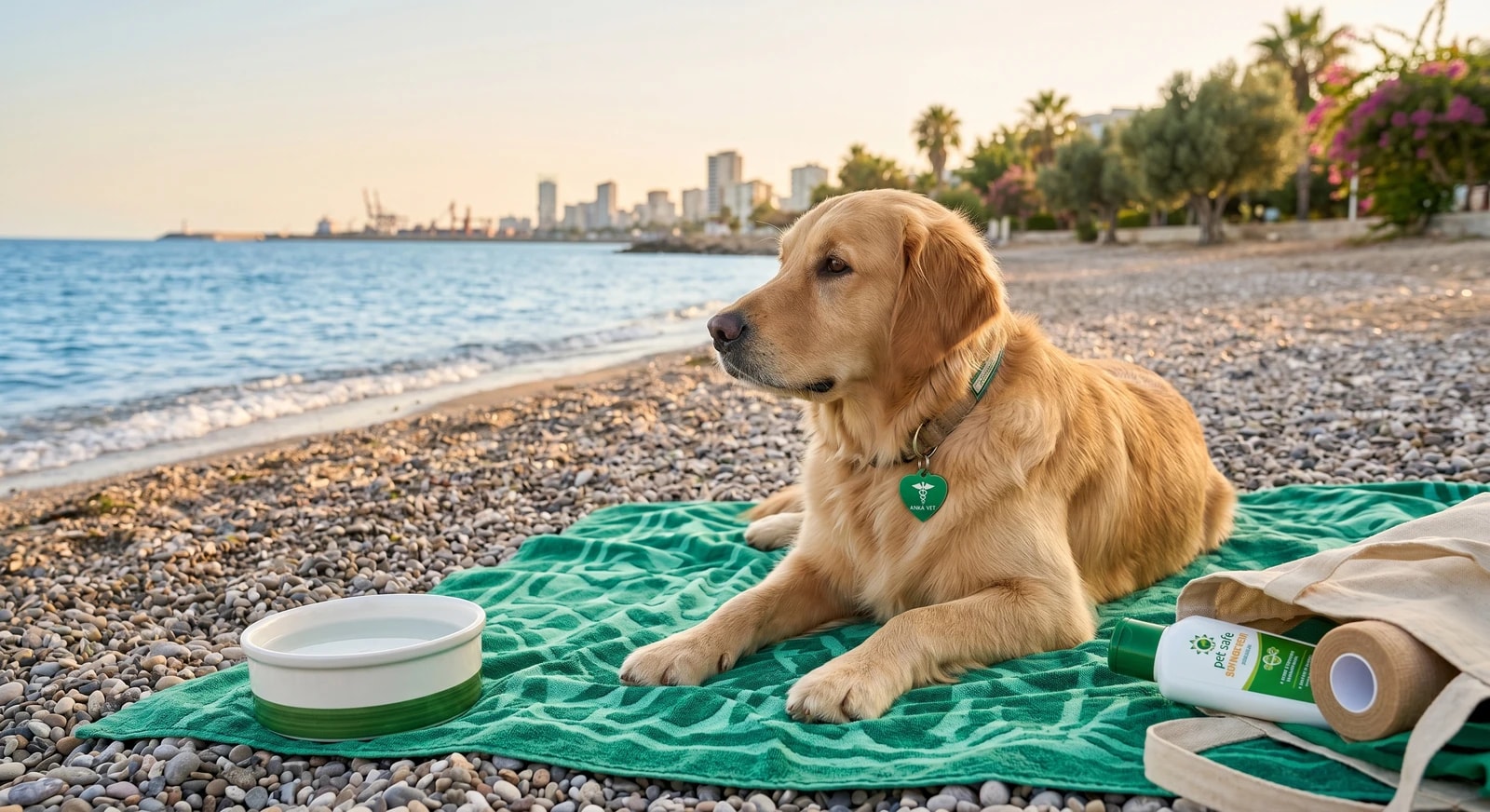
Evening walks with furry friends under the palm trees on Mersin’s unique coastline are one of the greatest privileges offered by the Mediterranean climate. However, high humidity, soft sea breezes, and warm evenings create an ideal environment not only for outdoor activities but also for the breeding of certain insidious parasitic vectors. Especially in coastal strips and areas with dense vegetation, tiny flying insects that are quite difficult to see can mediate serious diseases that deeply threaten the health of dogs.
Leading these threats is Leishmaniasis, a parasitic infection transmitted by the sandfly (Phlebotomus), which can remain silent for years while leaving devastating damage on internal organs. In hot climate regions like Mersin, which are considered endemic, it is vital to grasp the dynamics of this disease, fully implement preventive medicine steps, and recognize clinical signs early on. This guide details comprehensive, medical, and preventive medicine-focused information about the invisible danger of Mediterranean evenings, the sandfly, and the Leishmania infection it carries.
What You’ll Learn in This Guide
- 1The Invisible Vector of the Mediterranean: What is the Sandfly?
- 2Defining the Insidious Disease: What is Leishmaniasis?
- 3Leishmaniasis and Sandfly Protection Comparison
- 4Insidious Symptoms: How to Detect Leishmaniasis in Dogs?
- 5Clinical Diagnosis and Early Detection Methods
- 6Sandfly Prevention Protocols
- 7Sources and Notes
- 8Frequently Asked Questions
01The Invisible Vector of the Mediterranean: What is the Sandfly?
Sandflies, known locally as “tatarcık,” “kum sineği” (sandfly), or “yakarca,” belong to the Phlebotomus genus. They are blood-sucking insects that are much smaller than mosquitoes (approximately 2-3 millimeters), fly silently, and have a yellowish color. Unlike mosquitoes, they do not buzz, which allows them to fly around dogs unnoticed.
Sandflies generally prefer low-wind, humid, hot, and stagnant air. They reach their maximum activity levels during twilight hours just after sunset and dawn near sunrise. During daylight hours, they usually hide in cool, shaded areas such as tree hollows, stone wall crevices, animal shelters, and moist soil cracks. Female sandflies must feed on blood to develop their eggs, and during this feeding activity, if they are infected, they inject the parasite they carry directly into the dog’s bloodstream.
02Defining the Insidious Disease: What is Leishmaniasis?
Leishmaniasis is a systemic and chronic disease caused by a microscopic, single-celled parasite called Leishmania infantum. Parasites are deposited on the skin when an infected sandfly bites the dog. From there, they enter and hide inside immune system cells called macrophages and begin to multiply. The parasite’s ability to live inside the cell makes it extremely difficult for the immune system to fight it.
Known among the public by its human form as “Oriental Sore” (Cutaneous Leishmaniasis), the disease can manifest in the dog population with similar cutaneous (skin) forms or with much more dangerous visceral forms that affect internal organs such as the liver, spleen, bone marrow, and kidneys. The disease may not show symptoms immediately after infection; the incubation period can extend from a few months to several years. Since the treatment of Leishmaniasis in dogs is quite challenging in late stages, often lifelong and requiring intensive organ-supportive protocols, the primary goal should always be preventive medicine.
03Leishmaniasis and Sandfly Protection Comparison
| Risk Factor | Early/Mild Condition | Advanced/Critical Stage | Preventive Medicine Measure |
|---|---|---|---|
| Sandfly Bite (Vector Contact) | Redness and papule formation at the bite site (nose, ear). | Parasite entering macrophages and spreading to lymph nodes. | Use of vet-recommended preventive drops/collars, restriction of evening walks. |
| Dermatological Lesions | Mild dandruff and hair loss around the eyes. | Severe crusted wounds and ulcerations spreading to the whole body. | Regular control of skin integrity during general examination processes. |
| Systemic Infection Spread | Mild weight loss, enlarged lymph nodes, intermittent fever. | Severe kidney failure, liver damage, joint inflammations. | Annual serological screening with official diagnostic kits or PCR. |
Sandfly Bite (Vector Contact)
Dermatological Lesions
Systemic Infection Spread
04Insidious Symptoms: How to Detect Leishmaniasis in Dogs?
Leishmania infection is known as the “great imitator” because its symptoms can be confused with many different diseases. Within this insidious progression, there are some typical dermatological and physical warning signals that pet owners can notice at home.
Periorbital alopecia, which starts especially around the eyes and creates a symmetrical appearance like “wearing glasses,” is one of the specific findings that should come to mind first when hair loss and lesions are mentioned in dogs. Non-healing, crusted, and scaly skin wounds (exfoliative dermatitis) are observed on the ear tips, around the nose, and on the paws.
Another interesting sign that owners often miss is onychogryphosis (abnormal nail growth). Nails grow much faster than normal, curving in an abnormal arc and becoming brittle. Unstoppable weight loss despite a good appetite, muscle wasting, nosebleeds, swollen lymph nodes, and lameness in the hind legs are signs showing how serious the condition has become.
05Clinical Diagnosis and Early Detection Methods
By the time symptoms appear, organ destruction has usually already begun. Therefore, it is mandatory to resort to clinical diagnosis methods without delay in suspected cases. The diagnosis process uses ELISA, IFA, or rapid screening kits (SNAP tests) that search for antibodies formed against the parasite in the blood. For more definitive results, PCR (Polymerase Chain Reaction) analyses are performed on samples taken from bone marrow, lymph node aspiration, or skin lesions.
At the same time, detailed biochemical blood panels and urinalyses to evaluate kidney and liver functions are an integral part of the routine diagnosis protocol. Protein imbalances in the blood (hyperproteinemia and hypoalbuminemia) are laboratory findings frequently encountered in Leishmaniasis cases.
06Sandfly Prevention Protocols
Since there is no definitive cure for the disease and vaccines do not always provide 100% protection, the flawless implementation of sandfly dog protection protocols is a vital necessity. The precautions to be taken are handled in two stages: physical environmental management and medical barriers.
Since not every parasite drop on the market is effective against sandflies, Mediterranean fly protective drop options and specially impregnated protective collars must be selected under the supervision of a veterinarian. These products have repellent properties that prevent blood-feeding and stop the fly from approaching the dog.
As a physical precaution, it is recommended to shift walking hours to time slots other than sunrise and sunset, when sandflies are most active, during Mersin’s hot and humid summer months. Additionally, avoiding stagnant water puddles and dense shrubbery on the seaside and in the park areas mentioned in the Happy Paws on the Mersin Coastline guide will minimize fly contact. Installing very fine-meshed screens on windows and using animal-safe repellent devices in indoor spaces also increases indoor safety.
The strongest defense mechanism against Leishmaniasis is regular health screenings and effective preventive medicine practices. Within Mersin Ankavet Veterinary Clinic, personalized antiparasitic calendars are created for dog patients, considering the risks of this region, which is accepted as endemic.
Within clinical standards, routine rapid antibody screening tests are performed at the beginning of spring and late summer to catch a possible parasitic transmission at a very early stage before it causes damage to the organs. In case of a possible positive result or severe kidney involvement cases, long-term and supportive treatment protocols that will increase the patient’s quality of life are meticulously carried out through the emergency and intensive care unit. Regular general examination controls must not be neglected to take the first step against this insidious disease.
Short Summary
Leishmaniasis is a serious vector-borne disease transmitted by sandflies in the Mediterranean. Repellent parasiticides, preventive vaccines, and evening shelter reduce transmission risk.
Note from Mersin Ankavet
Protecting pets from insidious and chronic diseases like Leishmaniasis is always much easier and safer than treatment. Meticulously following vet-recommended preventive medicine protocols during Mersin’s warm months is the most critical step for pets to lead a healthy life.
Book AppointmentRelated Blog Posts
Sources and Notes
- World Small Animal Veterinary Association (WSAVA) - Global Guidelines
- Centers for Disease Control and Prevention (CDC) - Leishmaniasis Guide
- Merck Veterinary Manual - Leishmaniosis in Dogs
This content has been prepared for informational purposes and does not replace a professional veterinary examination.
Frequently Asked Questions
Does the sandfly transmit Leishmaniasis to humans as well?
Yes, Leishmaniasis is a zoonotic disease (can pass from animals to humans). However, it is not transmitted by direct contact from an infected dog to a human. The disease is transmitted when a sandfly that has bitten an infected dog subsequently bites a human.
Do regular flea/tick drops protect against sandflies?
No, not every tick and flea protection preparation applied routinely provides protection against sandflies. It is necessary to use drops or collars specifically recommended by a veterinarian that contain specific active ingredients that repel sandflies.
Why is excessive nail growth a sign of Leishmaniasis in dogs?
The parasite deeply affects the immune system and metabolism, disrupting protein and keratin synthesis. This causes onychogryphosis, where nails grow abnormally fast, curved, and brittle.
When are sandflies most active in Mersin?
In Mersin, which has a Mediterranean climate, sandflies show high activity starting from the spring months (April-May) when the weather starts to warm up until late autumn (October-November). During the day, they are most active in the evening twilight and early morning.
Can a dog carrying Leishmaniasis be fully cured?
In Leishmania infection, it is extremely difficult to completely (100%) clear the parasite from the body (parasitological cure). With long-term treatments, the disease is suppressed, clinical symptoms disappear (clinical cure), and the dog can live a quality life; however, the parasite may remain dormant, so veterinary follow-up is essential.
How often should protective tests be done?
Especially for dogs living in endemic regions like Mersin, it is strongly recommended to have Leishmaniasis screening tests done at least once a year, preferably at the end of the summer/autumn season, for early diagnosis of the disease.
Related Service
General Examination
For clinical evaluation and a care plan, review the service page connected to this guide.
View ServiceMedical Information Note
This content is for general information only. It does not replace a veterinary examination, diagnosis, treatment, or specific medication/food recommendations. A veterinary examination and individual assessment are required for your pet’s health. In case of emergency symptoms, please contact the nearest open veterinary clinic.
MERSIN MEZITLI PET CARE
Need Professional Guidance for Your Pet?
Are you in Mersin Mezitli? If you notice these symptoms or have any concerns about your pet’s health, consult our AnkaVet veterinarians immediately. English and Russian-speaking support is available!
Your pet deserves quality care.
Get in touch today to discuss your pet’s health or schedule a consultation.