Cat Spaying and Neutering in Mersin Mezitli: Surgical Process, Preparation, and Post-Op Care
Sedat Çapanoğlu, DVM
Anka Veterinary Clinic
Last updated:
Mustafa Kemal University graduate (2018). After clinical experience in Mersin and a short period in municipal shelter practice, he takes an active role in surgery, emergency care, dental health, and diagnostics.
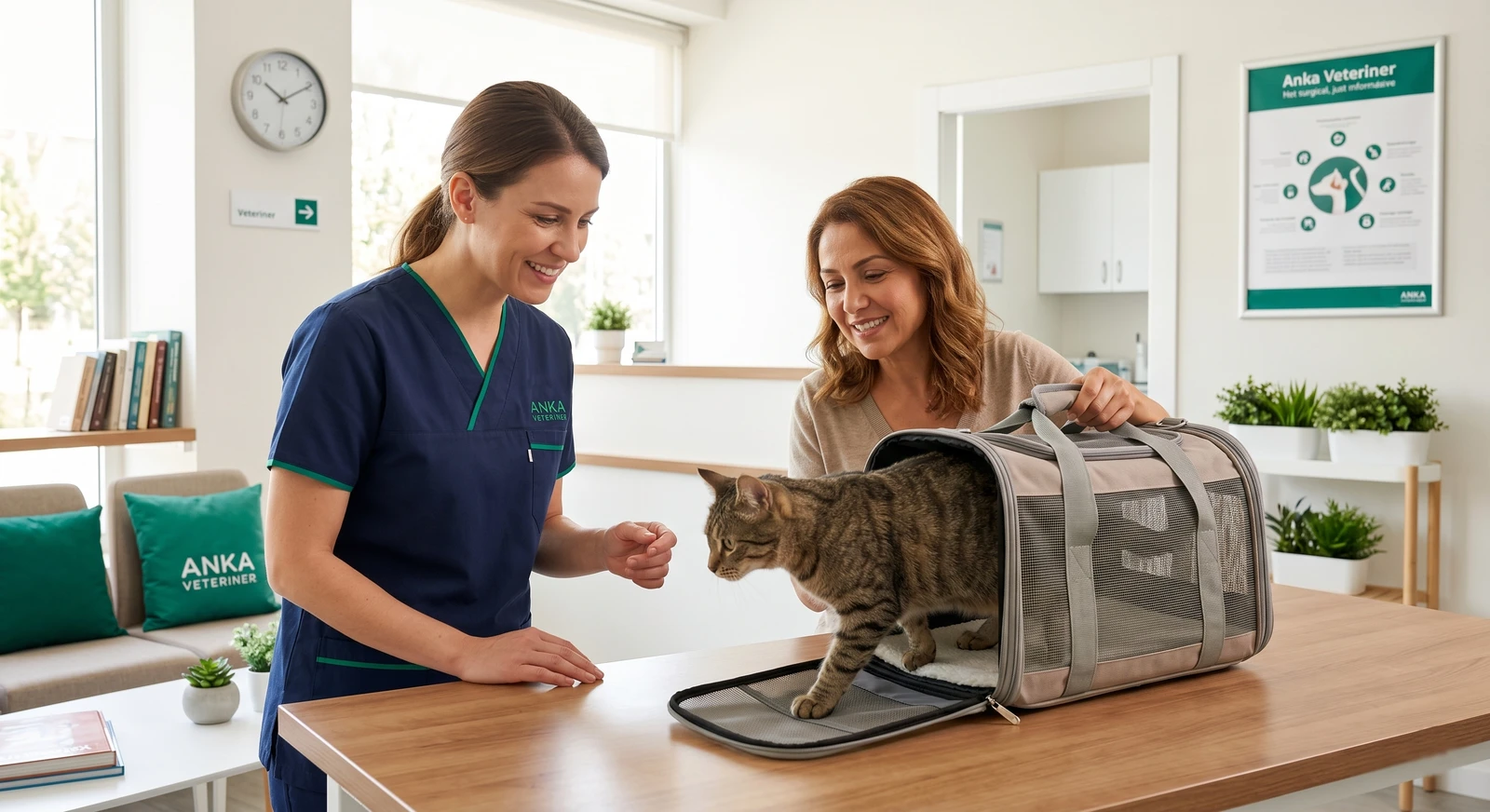
Cat spaying and neutering is not only about preventing unwanted kittens. When planned at the right time with proper preparation and a safe anesthesia protocol, it is an important preventive healthcare step for long-term health, household harmony, and population control.
Cat owners in Mersin Mezitli often ask similar questions: “When should I neuter my cat?”, “Is female cat spaying difficult?”, “What should I do after male cat neutering?”, “Will neutering change my cat’s personality?”
This guide explains the cat spaying and neutering process for female and male cats, including preparation, anesthesia safety, home care, weight control, and behavioral effects in clear clinical language.
What You Will Learn in This Guide
- 1Why Is Cat Spaying and Neutering Important?
- 2What Is the Difference Between Female Cat Spaying and Male Cat Neutering?
- 3How Is the Timing Planned?
- 4Pre-Operative Preparation
- 5Why Is Anesthesia Safety Important?
- 6How Should Home Care Be Managed After Surgery?
- 7Stitches, E-Collars, and Wound Monitoring
- 8Diet and Weight Control After Neutering
- 9How Does Neutering Affect Behavior?
- 10Municipal Programs and Private Clinic Surgery
- 11How Does the Process Work at Anka Veterinary Clinic in Mersin Mezitli?
- 12When Should You Contact a Veterinarian Immediately?
- 13Sources and Notes
- 14Frequently Asked Questions
01Why Is Cat Spaying and Neutering Important?
Spaying and neutering are surgical procedures that end reproductive ability. In female cats, this usually involves removing the ovaries and uterus; in male cats, the testicles are removed. The exact plan depends on age, health status, and veterinary assessment.
The most obvious benefit is preventing unwanted pregnancies, but the value goes further. Repeated heat cycles in female cats can be stressful for both the cat and the household, causing restlessness, loud vocalization, escape attempts, and appetite changes.
In female cats, spaying helps prevent pyometra, a serious uterine infection, and may reduce mammary tumor risk when performed at an appropriate age. In male cats, neutering removes testicular disease risk and may reduce hormone-related behaviors such as urine marking, roaming, and fighting.
However, neutering is not a magic solution for every behavior problem. Some behaviors are hormone-related, while others are linked to stress, environment, or learned habits.
02What Is the Difference Between Female Cat Spaying and Male Cat Neutering?
| Topic | Female cat spaying | Male cat neutering | What to watch at home |
|---|---|---|---|
| Surgery type | An abdominal surgical procedure. | A shorter procedure involving removal of the testicles. | Female cats require closer wound monitoring. |
| Recovery | Usually requires more follow-up than male cats. | Often faster and more comfortable. | Jumping, running, and intense activity should be limited in both. |
| Wound care | The incision line should be checked regularly. | The wound area is usually smaller. | Licking and biting must be prevented. |
| Behavioral effect | Heat cycles stop. | Urine marking and roaming may decrease. | Behavioral change does not occur at the same speed in every cat. |
Surgery type
Recovery
Wound care
Behavioral effect
03How Is the Timing Planned?
There is no single correct age for every cat. Age, body weight, breed, general health, lifestyle, heat history, and any existing medical condition should be evaluated together.
For many cats, surgery is planned around the period approaching sexual maturity. Some cats may be suitable earlier, while others may need a later date. In female cats, planning before the first heat or between heat cycles can be considered by the veterinarian.
Whether surgery should be performed during heat depends on veterinary assessment. Tissues may be more vascular during heat, so the surgical plan may change. A one-size-fits-all timing approach is not appropriate.
04Pre-Operative Preparation
Before surgery, the veterinarian performs a general examination. Heart and respiratory systems, body temperature, weight, hydration, and overall condition are checked. Bloodwork or additional tests may be recommended when needed.
Fasting instructions should always come from your veterinarian. Food is usually restricted for a specific period before surgery, but water and fasting protocols may vary according to age, health status, and surgery time.
Tell your veterinarian about recent appetite changes, litter box problems, vomiting, coughing, lethargy, previous anesthesia reactions, current medications, or supplements.
A secure, clean carrier prepared with a familiar-smelling blanket can reduce stress. Cats should be brought in a closed carrier rather than carried in arms, because stressed cats may suddenly try to escape at the clinic entrance.
Vaccination and parasite-control history also matter when planning surgery. If there are signs of active infection, fever, diarrhea, vomiting, or respiratory illness, surgery may need to be postponed. The goal is not just to perform the operation, but to keep the process safe and comfortable.
05Why Is Anesthesia Safety Important?
Anesthesia is one of the most important parts of a cat spay or neuter procedure. The fact that the operation is common does not make anesthesia assessment optional.
Every cat may respond differently to anesthesia. Age, weight, heart and respiratory status, liver and kidney function, stress level, and existing disease all affect the anesthesia plan. This is why pre-operative examination and recommended tests matter.
Bloodwork is not automatically mandatory for every patient, but it adds an important safety layer by helping assess liver and kidney function before anesthesia. It becomes especially valuable in adult, overweight, previously ill, or clinically uncertain cats.
The aim of anesthesia is to prevent pain, allow the procedure to be completed in a controlled way, and make recovery as calm as possible. Medication choices are adjusted according to weight, age, and clinical condition.
Maintaining body temperature is also important. Cats can lose heat under anesthesia, so temperature support, an appropriate recovery area, and quiet observation are part of the safety process.
Human painkillers or sedatives must never be used at home unless prescribed by a veterinarian. Cats are highly sensitive to certain drugs, and inappropriate medication can cause serious poisoning.
06How Should Home Care Be Managed After Surgery?
| Period | What may be expected | What to do | When to call the clinic |
|---|---|---|---|
| First hours | Sleepiness, mild imbalance, calmness | Prevent jumping onto high places. | If confusion lasts too long or breathing seems abnormal |
| First night | More sleep, lower appetite | Provide a warm and quiet area. | Repeated vomiting, severe weakness, or bleeding |
| First 2-3 days | Mild appetite fluctuation, interest in the surgery area | Prevent licking or pulling at stitches. | Swelling, discharge, or bad odor at the wound |
| First week | Gradual recovery | Limit running, jumping, and rough play. | Loss of appetite, fever, pain signs, or behavioral decline |
| Follow-up period | The incision line is usually calmer | Attend the control visit and ask before stopping E-collar or medication use. | Incision opening, marked redness, or persistent tenderness |
First hours
First night
First 2-3 days
First week
Follow-up period
07Stitches, E-Collars, and Wound Monitoring
Female cats usually require closer wound monitoring after surgery. Male cats often have a smaller wound area, but licking, biting, and contamination can still create problems.
An E-collar, surgical suit, or protective wear may be recommended by your veterinarian. Licking the wound can lead to infection, wound opening, or delayed healing.
A cat’s tongue is rough and abrasive, so even short repeated licking can irritate the incision. Even if your cat objects to the E-collar or surgical suit at first, following the recommended duration is important for wound safety.
Mild pinkness or limited tenderness may be seen in the first days. Marked swelling, foul-smelling discharge, a wet-looking wound, incision separation, or strong pain when touched is not considered normal.
Do not apply creams, antiseptics, alcohol, herbal remedies, or human medications to the wound unless your veterinarian specifically instructs you to do so.
08Diet and Weight Control After Neutering
After neutering, a cat’s metabolism and energy needs may change. If your cat moves less but receives the same calories, weight gain may develop over time.
This does not mean neutering inevitably causes obesity. Weight gain usually results from an imbalance between energy needs and calorie intake. Proper food choice, portion control, play, and weight monitoring can manage this well.
Sterilized cat foods may be suitable for some cats, but the same diet should not be chosen automatically for every patient. Urinary sensitivity, weight, age, and activity level should be assessed together.
If needed, a personalized plan can be created through nutrition and diet consultation according to your cat’s ideal weight, age, and lifestyle.
09How Does Neutering Affect Behavior?
Neutering may help reduce some hormone-related behaviors. In female cats, heat-related restlessness, loud vocalization, mating behavior, and escape attempts stop.
In male cats, urine marking, roaming, searching for females, and fighting tendency may decrease. However, behavioral changes do not occur at the same speed or level in every cat.
Long-standing marking, stress-related hiding, aggression, or inappropriate elimination may not be purely hormonal. In such cases, behavioral and psychological consultation may be needed.
10Municipal Programs and Private Clinic Surgery
Municipal neutering programs in Mersin play an important public role, especially for controlling the stray animal population. These services help reduce uncontrolled reproduction and support public health.
For owned cats, a private clinic process is more individualized. Pre-operative examination, patient-specific anesthesia planning, possible bloodwork, pain management, home care instructions, and follow-up visits can be monitored more closely.
This is not about reducing the value of municipal services. They are important for stray animals; for owned cats, continuity and individualized follow-up become the main priorities.
In a private clinic process, owner communication is also more detailed. Fasting instructions, first-night home care, medication timing, E-collar use, control visits, and weight follow-up can be tracked in the same medical record, which is especially reassuring for first-time cat owners.
11How Does the Process Work at Anka Veterinary Clinic in Mersin Mezitli?
At Anka Veterinary Clinic in Mersin Mezitli, the process begins with general examination and risk assessment. Your cat’s age, weight, general health, previous illnesses, medications, and living conditions are reviewed.
If needed, bloodwork or additional checks are planned before surgery. On the day of the procedure, fasting instructions, arrival time, carrier preparation, and home care steps are explained to the owner.
Recovery from anesthesia is monitored in the clinic, and discharge is planned only after the cat’s general condition and reflexes are considered safe. Wound checks, medication use, and control timing are explained clearly.
The process usually includes consultation, examination, recommended testing, surgery, recovery monitoring, discharge instructions, and a follow-up visit. The fee is clarified after examination according to sex, weight, health status, and any additional evaluation needed.
Vaccination, parasite prevention, and surgical information are kept in the digital patient record. This helps annual checks, weight monitoring, nutrition planning, and preventive healthcare stay organized.
When planning cat spaying or neutering in Mersin Mezitli, sharing the cat’s heat status, recent medical history, and behavior changes helps plan the procedure more accurately.
12When Should You Contact a Veterinarian Immediately?
Repeated vomiting, prolonged loss of appetite, marked weakness, breathing difficulty, bleeding from the wound, opening of stitches, foul-smelling discharge, or rapidly increasing swelling/redness should not be considered normal.
Severe pain signs, suspected fever, inability to urinate, constant hiding, or clear behavioral deterioration should prompt immediate veterinary contact. These signs do not always mean a serious complication, but early assessment is important after surgery.
Short Summary
Cat spaying and neutering is an important preventive healthcare step that helps prevent unwanted pregnancies and supports long-term health and behavior management.
The ideal timing is not the same for every cat. Age, weight, health status, heat history, and lifestyle should be assessed together. Safe anesthesia, surgical planning, home care, wound monitoring, and post-neutering nutrition are all key parts of the process.
Note from Mersin Ankavet
The spaying and neutering process is a critical step that not only controls reproduction but also enhances the life quality of cats and protects them from senior-age diseases. We are by your side with our professional team at every stage, from decision-making to the day of surgery and home care.
Book AppointmentRelated Blog Posts
Sources and Notes
- AVMA - Spaying and Neutering
- International Cat Care - Neutering your cat
- AAHA - Anesthesia and Monitoring Guidelines for Dogs and Cats
- VCA Animal Hospitals - Spaying in Cats
This content has been prepared for informational purposes and does not replace a professional veterinary examination.
Frequently Asked Questions
What is the ideal age to spay or neuter a cat?
There is no single correct age for every cat. Weight, health status, sex, heat history, and lifestyle should be assessed together. The ideal timing is determined after examination.
Can a female cat be spayed while in heat?
It may be possible in some cases, but tissues can be more vascular during heat and the surgical plan may change. The decision should be made by the veterinarian.
How quickly does a male cat recover after neutering?
Male cats usually recover faster than female cats. Calmness on the first day can be expected; detailed home-care instructions are given after surgery.
Will neutering change my cat’s personality?
Your cat’s core personality does not completely change. Neutering mainly helps reduce hormone-related behaviors such as heat behavior, roaming, mating attempts, and marking.
Will my cat gain weight after neutering?
Weight gain is not inevitable, but energy needs may change. Portion control, appropriate food choice, and regular play help manage weight.
Is an E-collar required after surgery?
Not always, but cats that lick the wound or pull at stitches may need an E-collar or surgical suit. Follow your veterinarian’s recommendation.
How is the cost of cat spaying or neutering determined?
Cost may vary according to sex, weight, required tests, anesthesia protocol, and follow-up plan. The most accurate information is given after examination and planning.
How can I book cat spaying or neutering in Mersin Mezitli?
You can book an appointment with your cat’s age, sex, heat status, and health information. The appropriate timing and preparation steps are planned after examination.
Is bloodwork necessary before cat spaying or neutering?
It may not be mandatory for every patient, but it is often recommended to assess liver, kidney, and overall health before anesthesia.
Should food be changed after neutering?
Energy needs may change, so food amount or diet type may need adjustment. The decision should be based on weight, lifestyle, and veterinary assessment.
When does a cat return to normal life after surgery?
Male cats often recover faster, while female cats need closer wound monitoring. Full activity should be resumed according to the veterinarian’s follow-up assessment.
Which signs are urgent after neutering?
Breathing difficulty, repeated vomiting, wound opening, foul-smelling discharge, inability to urinate, marked weakness, or uncontrolled bleeding require immediate veterinary contact.
Related Service
Surgery and Obstetrics
For clinical evaluation and a care plan, review the service page connected to this guide.
View ServiceMedical Information Note
This content is for general information only. It does not replace a veterinary examination, diagnosis, treatment, or specific medication/food recommendations. A veterinary examination and individual assessment are required for your pet’s health. In case of emergency symptoms, please contact the nearest open veterinary clinic.
MERSIN MEZITLI PET CARE
Need Professional Guidance for Your Pet?
Are you in Mersin Mezitli? If you notice these symptoms or have any concerns about your pet’s health, consult our AnkaVet veterinarians immediately. English and Russian-speaking support is available!
Your pet deserves quality care.
Get in touch today to discuss your pet’s health or schedule a consultation.