Dog Spaying and Neutering in Mersin Mezitli: Surgical Process, Preparation, and Post-Op Care
Sedat Çapanoğlu, DVM
Anka Veterinary Clinic
Last updated:
Mustafa Kemal University graduate (2018). After clinical experience in Mersin and a short period in municipal shelter practice, he takes an active role in surgery, emergency care, dental health, and diagnostics.
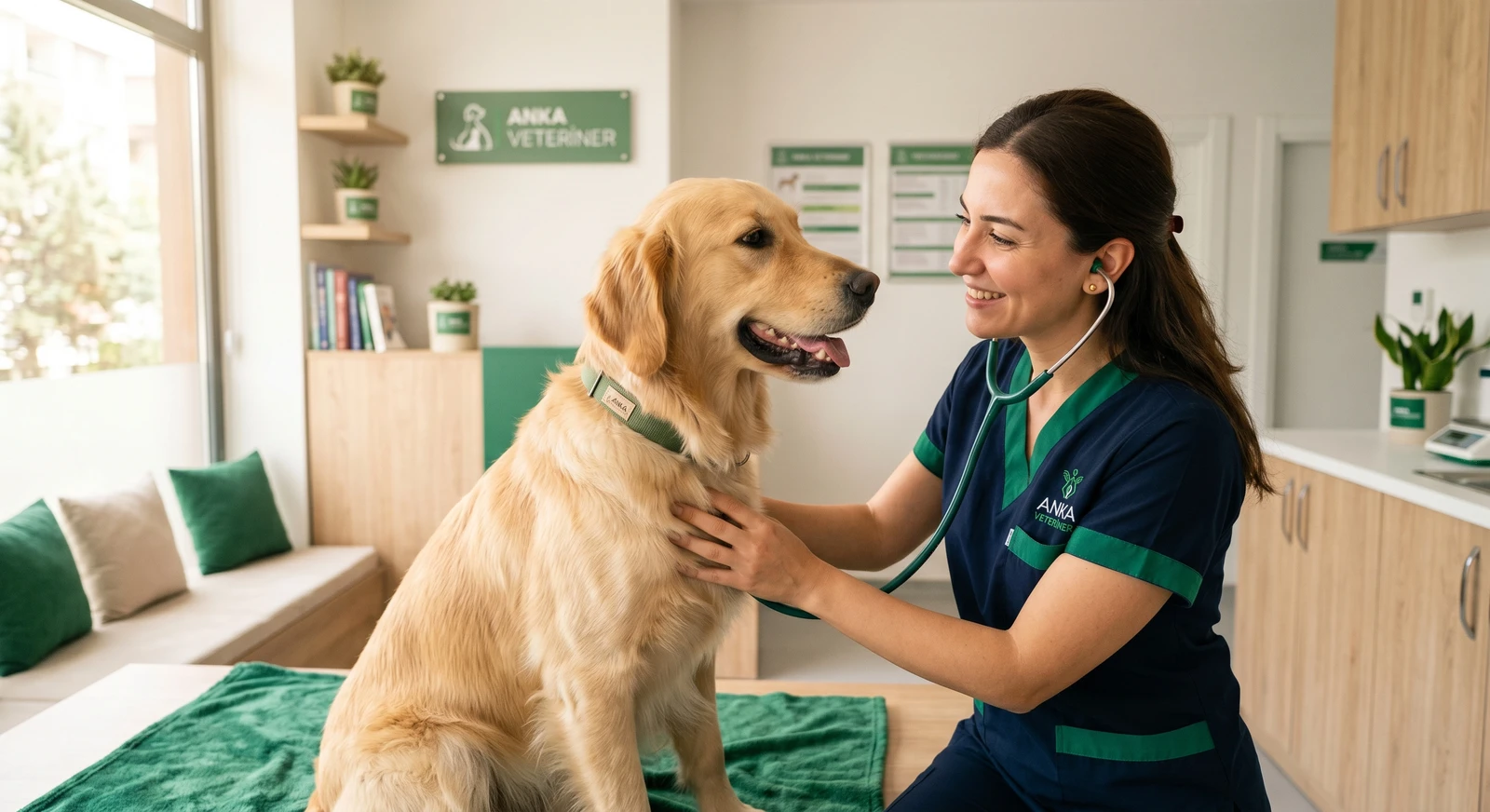
From the very first day they join your home, your dog becomes an inseparable part of your family, making their health and comfort priceless to you. Seeing their energy, joy, and healthy development is every dog owner’s greatest wish.
Spaying or neutering, one of the most crucial medical decisions for a lifelong healthy journey, often brings along anxiety-inducing questions. Thoughts about the safety of the surgery, the recovery process, and potential changes in personality might be weighing on a pet owner’s mind. Anka Veterinary Clinic in Mersin Mezitli understands and values this sensitive period that pet owners go through. In this guide, the dog neutering process is addressed with medical transparency.
What You Will Learn in This Guide
- 1What is Dog Spaying and Neutering?
- 2How Does the Process Differ Between Female and Male Dogs?
- 3Spaying and Neutering Comparison in Female and Male Dogs
- 4How to Determine the Right Time for Neutering in Dogs?
- 5Why Are Pre-Operative Preparation and Bloodwork Important?
- 6The First 24 Hours Post-Surgery and Home Care
- 7Weight Control and Nutrition After Neutering
- 8When Should You Contact the Veterinarian?
- 9Appointment and Planning for Dog Neutering in Mersin Mezitli
- 10Sources and Notes
- 11Frequently Asked Questions
01What is Dog Spaying and Neutering?
Dog spaying and neutering are surgical procedures performed under general anesthesia in veterinary medicine to completely remove the reproductive organs. In female dogs, the ovaries and uterus are removed; medically, this procedure is called an “Ovariohysterectomy” (OHE). In male dogs, both testicles are surgically removed, a procedure known as “Castration.”
By stopping the production of reproductive hormones like estrogen and testosterone, the surgery significantly reduces the intense physical stress and behavioral issues driven by hormones. This operation is a fundamental surgical procedure that protects dogs from many potentially fatal diseases they might face in their senior years.
02How Does the Process Differ Between Female and Male Dogs?
The anatomical structure of dogs directly dictates the technique and duration of the spaying or neutering surgery based on their sex. The most fundamental difference between the processes for female and male dogs is the anatomical depth the surgery reaches.
Female Dog Spaying: The reproductive organs of female dogs are located inside the abdominal cavity. Therefore, an incision is made in the abdominal region to perform the surgery. Because it involves reaching internal organs, it is a more complex procedure and takes longer than male dog surgery. The healing of internal tissues and the closing of abdominal stitches require a bit more time and careful attention.
Male Dog Neutering: Since the reproductive organs (testicles) of male dogs are located outside the abdominal cavity, the surgery takes place in a much more superficial area. Because the abdominal cavity is not entered and the procedure is completed with small incisions, the surgery time is shorter, and the trauma level is quite low. For this reason, male dogs recover and return to their normal routines much faster.
03Spaying and Neutering Comparison in Female and Male Dogs
| Topic | Female Dog | Male Dog | Home Care Note |
|---|---|---|---|
| Surgical Scope | The abdominal cavity is opened to remove the uterus and ovaries. | Testicles are removed without entering the abdominal cavity. | The surgical area must be kept strictly clean and dry. |
| Surgery Duration | Takes an average of 45 - 60 minutes. | Takes an average of 20 - 30 minutes. | The dog is kept under observation at the clinic on the day of surgery. |
| Recovery Time | Tissue healing can take 10 - 14 days. | Usually fully heals within 7 - 10 days. | In both cases, movements must be restricted during the healing period. |
| Stitch & Wound Care | Protecting the stitches on the abdomen is critically important. | Although the incision is small, licking carries an infection risk. | Using an E-collar or protective surgical suit post-operation is mandatory. |
Surgical Scope
Surgery Duration
Recovery Time
Stitch & Wound Care
04How to Determine the Right Time for Neutering in Dogs?
The ideal age for spaying or neutering dogs varies depending on the breed’s size, bone development rate, and overall health. There is no single “ideal time” that applies to every dog. Globally accepted WSAVA (World Small Animal Veterinary Association) reproduction control guidelines also emphasize the importance of an individual and breed-specific approach when determining the neutering age in dogs.
Small and Medium Breed Dogs: Because their bone development is completed early, the procedure can usually be planned before their first heat cycle, between 6 and 9 months of age. Spaying at the appropriate time can contribute to reducing certain health risks, such as mammary tumors and uterine infections, in female dogs. However, the most appropriate timing should be evaluated by a veterinarian based on age, breed, weight, general health status, and individual risks.
Large and Giant Breed Dogs: (e.g., Golden Retriever, German Shepherd, Kangal) Bone and joint development progress more slowly. Since hormones have protective effects on bone development in these breeds, it is recommended to perform the surgery after the growth plates have closed (usually after 12 to 18 months).
At the clinic, a detailed general examination is conducted before the surgery to evaluate the dog’s individual growth rate and determine the most accurate operation time. Similarly, for those wishing to review the special guide prepared for cat owners, the cat spaying and neutering in Mersin Mezitli page is available.
05Why Are Pre-Operative Preparation and Bloodwork Important?
The foundation of a successful and safe surgery lies in the meticulous preparations made beforehand. Since dog spaying and neutering surgeries are performed under general anesthesia, it is vital to determine in advance whether your dog can safely undergo anesthesia.
Before the surgery is scheduled, your dog’s vaccinations and parasite treatments must be up to date. The most critical step before the operation is performing a Pre-Operative Blood Test (Biochemistry and CBC). Current guidelines published by AAHA (American Animal Hospital Association) and AVMA (American Veterinary Medical Association) regarding anesthesia safety standards clearly state the importance of pre-operative metabolic screenings. These tests reveal potential issues in liver and kidney functions that show no outward symptoms, the presence of infection, and the blood’s clotting capacity. Since anesthesia drugs are eliminated from the body by the liver and kidneys, the healthy functioning of these organs is essential for anesthesia safety. Additionally, to prevent the risk of vomiting and subsequent aspiration into the lungs during anesthesia, your dog must fast completely for 8-12 hours before the surgery, with only water consumption permitted.
06The First 24 Hours Post-Surgery and Home Care
After your dog successfully comes through the surgery and wakes up, the first hours back home require special attention. Since the effects of anesthesia can linger for a few more hours at home, you might observe mild grogginess, unsteadiness while walking, or drowsiness. During this time, you should let them rest in a warm, quiet, and low-level area (that doesn’t require jumping). Food and water should not be given until the time recommended by your vet, ensuring their swallowing reflex has fully returned.
From the moment you return home, your most important task is to restrict your dog’s movements to allow the stitches to heal. Activities that strain the stitches, such as running, jumping, and going up and down stairs, must be strictly avoided. Using an E-collar (Elizabethan collar) or a protective surgical suit is an indispensable rule to prevent the surgical site from getting infected due to licking or the stitches from opening. Administering the antibiotics and painkillers prescribed by your vet exactly on the day and at the exact time will make the healing process much more comfortable.
07Weight Control and Nutrition After Neutering
The change in hormone levels after spaying or neutering causes your dog’s metabolic rate to slow down by approximately 20% to 30%. Conversely, you may notice a significant increase in their appetite. Continuing to feed the same amounts of high-calorie adult dog food as before the operation will lead to rapid weight gain and pave the way for obesity.
Obesity is a very serious health issue in dogs that causes heart disease, diabetes, and joint disorders. Therefore, immediately after the procedure, it is necessary to switch to special sterilized dog foods that have adjusted mineral balances and reduced calorie and fat content. Food portions should be arranged according to the gram weight recommended by your vet, and you should avoid giving table scraps or extra treats. For clinical support regarding dietary needs, the nutrition and diet page can be visited.
08When Should You Contact the Veterinarian?
Although the post-operative healing period usually goes smoothly, some situations may require urgent intervention. If any of the following symptoms are noticed, the clinic should be contacted immediately without delay:
09Appointment and Planning for Dog Neutering in Mersin Mezitli
At Anka Veterinary Clinic, the dog’s spaying and neutering process is managed with transparency and care from start to finish. The process begins when an appointment is scheduled. A detailed physical examination is performed to evaluate the dog’s medical history, age, and vaccination status. Once anesthesia suitability is approved following the necessary blood tests, the surgery schedule is finalized.
Following the surgical procedure performed in the operating room with real-time monitoring, the patient is hosted in comfortable recovery units under veterinary supervision. After all medication and home care instructions are provided, the pet is discharged, and recovery check-ups are regularly followed.
Short Summary
Dog spaying and neutering surgery is a medical necessity that prevents many fatal diseases your friend might face in their later years and significantly improves their quality of life. The most accurate time for the operation should be determined individually by the veterinarian based on the dog’s breed, bone development, and clinical examination findings.
Pre-operative blood tests are indispensable for a safe anesthesia process. After the surgery, restricting movement at home, using an E-collar, and switching to an appropriate sterilized diet are the keys to a successful recovery period. Although the surgical process may seem daunting, with a professional veterinary approach and proper guidance, it is the most reliable step taken for your friend’s health.
Note from Mersin Ankavet
The spaying and neutering process is a critical step that not only controls reproduction but also enhances the quality of life and protects dogs from geriatric health complications. Support is provided at every step, from the decision-making phase to surgery day and home recovery care.
Book AppointmentRelated Blog Posts
Sources and Notes
This content has been prepared for informational purposes and does not replace a professional veterinary examination.
Frequently Asked Questions
Does neutering change a dog’s personality?
No. Spaying or neutering surgery does not change your dog’s intelligence, core personality, or playfulness. It only results in a decrease in behaviors driven by estrogen and testosterone hormones, such as aggression, the urge to escape, or marking; your friend will simply adopt a calmer state of mind.
Can a female dog be spayed while in heat?
Unless there is a medical necessity, surgery during the heat cycle is not recommended. During this period, the blood vessels in the uterus and ovaries become significantly enlarged, and the tissues are edematous (swollen). This increases the risk of bleeding during surgery. It is much safer to perform the operation a few weeks after the heat cycle ends.
Is dog neutering surgery dangerous?
Every surgical procedure and general anesthesia carries a certain level of risk. However, thanks to detailed pre-operative blood tests, a comprehensive physical examination, and real-time monitoring of the patient’s heart/respiratory functions with modern devices during the operation, these risks are minimized.
When are the stitches removed after dog neutering?
If external skin stitches that need to be removed were used in your dog’s surgery, these stitches are typically removed by the veterinarian between 10 and 14 days after tissue healing is complete. In some cases, self-dissolving (cosmetic) stitches are used, eliminating the need for stitch removal.
When should food be given after dog neutering surgery?
Because the swallowing reflex may be weakened due to anesthesia and there is a risk of vomiting, food and water are not given immediately after the surgery. Once your dog is fully awake and has regained their balance, a small amount of water and a small portion of wet food can be given at the time specified by your vet (usually 3-4 hours after returning home).
Is it really mandatory to wear an E-collar after surgery?
Yes, it is absolutely mandatory. Due to the itching of the healing wound, dogs tend to vigorously lick and bite their stitches. Even a few seconds of licking can cause the stitches to open or lead to serious infections. The E-collar should never be removed until the stitches are completely healed or the vet gives approval.
Related Service
Surgery and Obstetrics
For clinical evaluation and a care plan, review the service page connected to this guide.
View ServiceMedical Information Note
This content is for general information only. It does not replace a veterinary examination, diagnosis, treatment, or specific medication/food recommendations. A veterinary examination and individual assessment are required for your pet’s health. In case of emergency symptoms, please contact the nearest open veterinary clinic.
MERSIN MEZITLI PET CARE
Need Professional Guidance for Your Pet?
Are you in Mersin Mezitli? If you notice these symptoms or have any concerns about your pet’s health, consult our AnkaVet veterinarians immediately. English and Russian-speaking support is available!
Your pet deserves quality care.
Get in touch today to discuss your pet’s health or schedule a consultation.