Stray Cat Adoption Guide: First Health Checks, Quarantine, and Home Adaptation Steps
Şanssım Çapanoğlu, DVM
Anka Veterinary Clinic
Last updated:
Mustafa Kemal University graduate (2019). After internships in Adana and Izmir, she worked in clinical practice in Adana and focuses on preventive medicine and behavior.
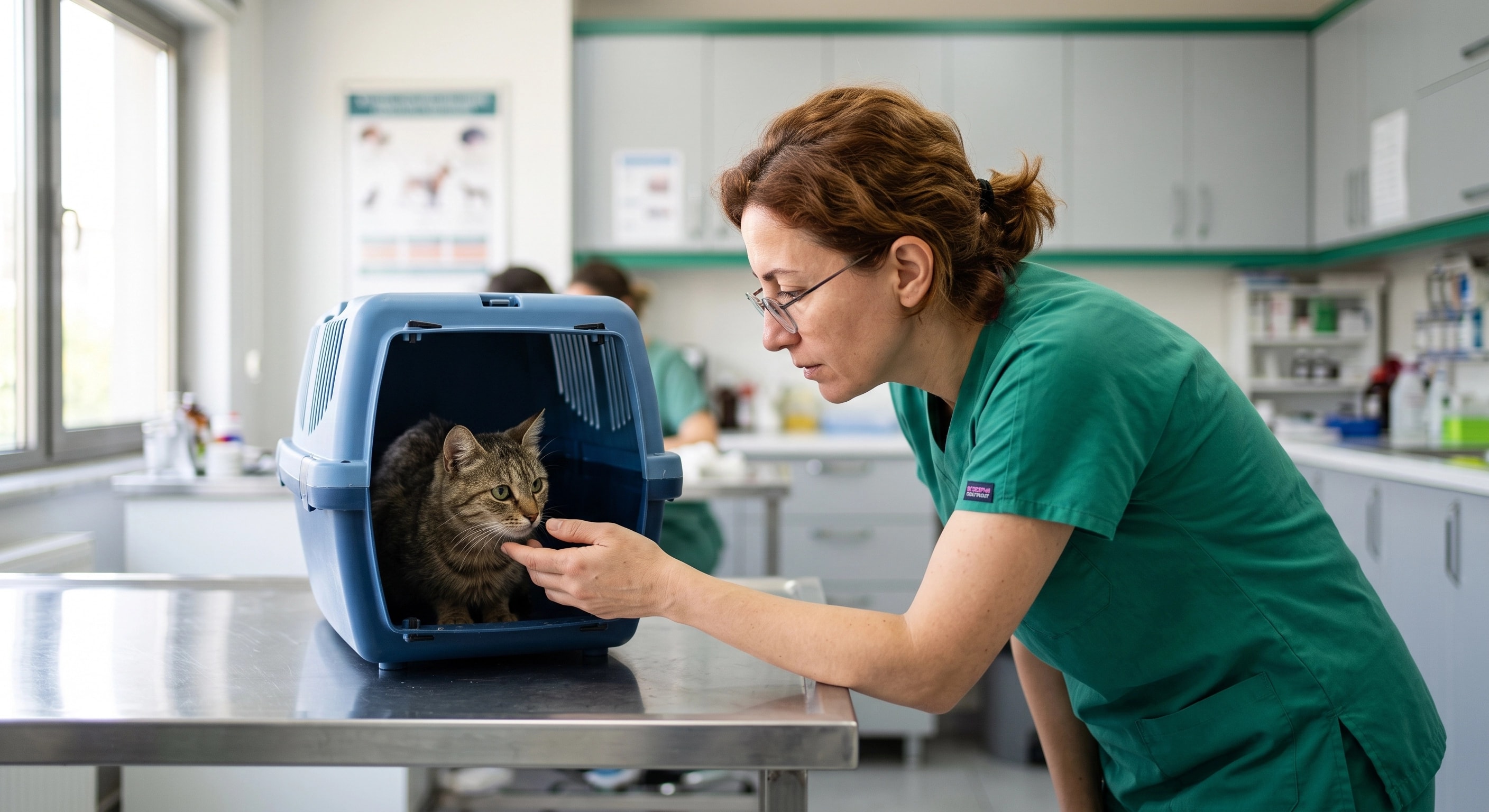
On a rainy evening or an ordinary commute home, your eyes meet a cat on the street. Perhaps it is fragile and underweight, crying as it follows your footsteps, or an invisible bond simply forms in that fleeting moment. While your heart whispers “take it home immediately,” dozens of valid questions cross your mind: Does it have fleas? Could it transmit a disease to my resident cat? Where will it use the litter box?
Rescuing an animal from the streets is one of the most compassionate acts of human nature. However, transitioning from street survival to an indoor life involves far more than offering a warm bed and a bowl of food. The first 48 hours of stray cat adoption are critical for the newcomer’s survival and the health of your household and existing pets. A single misstep can scatter fleas across your home or expose your resident cat to an insidious feline virus. In this comprehensive guide, we walk you through this journey using proven veterinary clinical experience, step by step, ensuring complete safety for your entire family.
What You Will Learn in This Guide
- 1The First Journey from Street to Clinic: Safe Capture, Transport, and Initial Observations
- 2Why You Must Visit a Veterinary Clinic Before Bringing the Cat Home
- 3Initial Checkup and Diagnostic Schedule Table
- 4Confronting External Parasites: Fleas, Ticks, Ear Mites, and Ringworm Screening
- 5The Hidden World of Internal Parasites: Potbelly Syndrome and Safe Deworming
- 6Infectious Viral Threats: FIV, FeLV Rapid Testing, and the “Window Period”
- 7Protecting Resident Pets: Why a 10-14 Day Separate Room Quarantine is Mandatory
- 8Scent Swapping and Gradual Introduction Tactics for Existing Pets
- 9Transitioning from Street Scraps to Quality Indoor Nutrition
- 10Stray Cat Health Screening and Clinical Care in Mezitli, Mersin
- 11References and Scientific Notes
- 12Frequently Asked Questions
01The First Journey from Street to Clinic: Safe Capture, Transport, and Initial Observations
No matter how affectionate a stray cat appears outdoors, it can suddenly panic when picked up or placed inside a vehicle. The startling rumble of a motorcycle or the vulnerable feeling in your arms can trigger sudden scratching, causing the cat to bolt into oncoming traffic.
When taking a cat off the street, the primary rule is securing it inside an enclosed carrier. If a dedicated pet carrier is unavailable, a sturdy cardboard box or a large cloth bag with adequate air holes is vastly safer than carrying the animal in your arms. Avoid sudden or loud movements. While the cat is eating, gently but firmly secure it by the torso and guide it into the carrier. Keep your voice low; a quiet, dim environment significantly reduces acute transport stress.
02Why You Must Visit a Veterinary Clinic Before Bringing the Cat Home
The most common mistake is bringing a stray cat straight into the living room and offering milk or food. A cat surviving outdoors may appear healthy while harboring hundreds of fleas, tick larvae, or zoonotic ringworm spores hidden beneath its fur. Bringing it directly inside allows these parasites to infest your carpets, sofas, and bedding within minutes.
For this reason, the very first stop must always be an accredited veterinary clinic. A clinical checkup is not merely medical care for the cat; it is a vital biosecurity barrier protecting your home and family. A comprehensive initial general examination assesses body condition score, screens for dehydration, and uncovers parasitic burdens.
03Initial Checkup and Diagnostic Schedule Table
| Procedure / Test Name | Recommended Timing | Targeted Health Risks | Household & Family Importance |
|---|---|---|---|
| Internal & External Parasite Treatment | Upon initial arrival at the clinic | Fleas, ticks, ear mites (Otodectes), roundworms, tapeworms | Prevents household flea infestation and zoonotic parasite transmission. |
| Wood’s Lamp (Dermatophyte Screening) | During first physical exam | Zoonotic ringworm fungus (Microsporum canis) | Protects family members and children from contagious skin lesions. |
| FIV and FeLV Rapid Blood Tests | Day 1 (repeated after 30 days if needed) | Feline Immunodeficiency Virus (FIV) and Feline Leukemia Virus (FeLV) | Prevents fatal viral transmission to existing resident cats. |
| Core Vaccines (FVRCP, FeLV, Rabies) | After quarantine and deworming (10-14 days later) | Panleukopenia (FPV), Calicivirus, Herpesvirus, Rabies | Builds and strengthens long-term immune protection. |
Internal & External Parasite Treatment
Wood’s Lamp (Dermatophyte Screening)
FIV and FeLV Rapid Blood Tests
Core Vaccines (FVRCP, FeLV, Rabies)
04Confronting External Parasites: Fleas, Ticks, Ear Mites, and Ringworm Screening
Parting the fur of a street cat often reveals crawling fleas and black pepper-like flea dirt. A single dose of veterinary topical medication eliminates adult fleas within 24 hours. However, dark, coffee-ground debris inside the ears indicates ear mites (Otodectes cynotis). These microscopic mites cause relentless itching, head shaking, and potential tympanic membrane damage.
Furthermore, weakened immune defenses make dermatophytosis (ringworm) highly prevalent among street cats. In our clinic, we inspect the fur under a Wood’s ultraviolet lamp, where fungal spores fluoresce apple-green. Applying vinegar or unverified online remedies only inflames delicate skin and delays recovery. Ectoparasites and fungal infections demand precise veterinary-prescribed medical agents.
05The Hidden World of Internal Parasites: Potbelly Syndrome and Safe Deworming
A classic presentation in stray kittens is a severely emaciated body with prominent spinal bones paired with a tight, drum-like swollen belly. This potbelly appearance typically signifies a heavy roundworm (Toxocara cati) infestation. Endoparasites rob vital nutrients, cause chronic diarrhea, and can create life-threatening intestinal obstructions.
During the initial visit, we administer weight-adjusted oral or injectable dewormers. Over the next few days, you may observe expelled worms in the litter box; this confirms the medication is successfully purging parasites. Daily litter box sanitation, bagged waste disposal, and thorough hand hygiene are imperative to disrupt reinfection cycles.
07Protecting Resident Pets: Why a 10-14 Day Separate Room Quarantine is Mandatory
After clinic checkups and parasite treatments are complete, the crucial quarantine phase begins. Releasing the new cat directly into shared living areas and expecting immediate harmony is a recipe for medical and behavioral crises.
Keep the newcomer isolated in a dedicated room with a closed door (such as a guest bedroom or bathroom) for at least 10 to 14 days. This quarantine serves three vital purposes:
1. Parasite Clearance: Allows administered antiparasitics to eradicate pests and prevents shedding eggs from contaminating your home.
2. Viral Incubation Surveillance: Unmasks latent respiratory infections (cat flu) or digestive issues away from resident pets.
3. Psychological Decompression: Allows a traumatized stray cat to decompress in a manageable, predictable environment rather than facing overwhelming open territory. Quarantine is not punishment; it is a safe sanctuary for transition.
08Scent Swapping and Gradual Introduction Tactics for Existing Pets
As quarantine concludes, forcing immediate face-to-face encounters invites territorial aggression and chronic stress. Cats perceive territory through scent. Introductions must be progressive and positive:
- Scent Swapping: Place a blanket or small towel slept on by the new cat near your resident cat’s bedding, and vice versa. Familiarizing them with each other’s scent before visual contact diminishes threat perception.
- Feeding on Opposite Sides of Closed Doors: Place high-value wet food dishes on opposite sides of the closed quarantine door. Pairing the rival’s scent with delicious meals builds positive emotional associations.
- Brief Controlled Visual Contact: Once comfortable with scent swapping, crack the door a few inches to allow brief visual observation. Hissing and puffed tails are natural boundary-setting behaviors. If tension escalates, calmly close the door and retry the next day without scolding.
- Reward-Driven Shared Play: When first entering the same room, engage both cats simultaneously with interactive wand toys and treats, redirecting territorial tension into cooperative fun.
09Transitioning from Street Scraps to Quality Indoor Nutrition
Abruptly feeding rich, ultra-premium commercial food to a digestive tract accustomed to garbage scraps and low-grade carbohydrates triggers severe acute diarrhea. The stray microbiome requires gentle adaptation.
Begin with highly digestible gastrointestinal diets or kitten wet food pureed with warm water. Introduce premium dry kibble incrementally over 7 to 10 days while maintaining wet food hydration. Always ensure fresh water bowls are accessible; stray cats chronically hover near dehydration thresholds.
10Stray Cat Health Screening and Clinical Care in Mezitli, Mersin
Taking responsibility for a street cat is a deeply rewarding endeavor. Navigating this process with expert veterinary guidance ensures lifelong vitality for your pet. At Anka Veterinary Clinic, located in Mezitli, Mersin, we welcome rescued patients and establish comprehensive protective healthcare protocols.
Upon rescue, our team conducts thorough general examinations, evaluating eyes, ears, dental structures, and cardiopulmonary function. Using our advanced laboratory and diagnostics unit, we perform rapid FIV/FeLV testing, Wood’s lamp fungal evaluations, and customized antiparasitic treatments. Proper initial medical care is the greatest gift you can provide to a cat leaving the harsh streets behind.
Summary
Adopting a stray cat involves safeguarding it against parasites and latent viral infections while easing its transition to indoor life. Bypassing clinical checkups to release a street rescue straight into your home jeopardizes both your resident pets and family health.
A mandatory 10-14 day quarantine period allows parasite clearance and monitoring for incubating illnesses. Gradual scent swapping and controlled visual introductions prevent territorial fighting, while measured dietary adjustments protect fragile digestive systems from acute upset.
Schedule an Initial Health Checkup for Your Rescued Cat
Book an appointment at our clinic to conduct comprehensive wellness exams, initiate parasite protocols, and receive guidance on quarantine management.
Book AppointmentRelated Blog Posts
References and Scientific Notes
- AAFP - Feline Retrovirus Testing and Management Guidelines
- WSAVA - Global Veterinary Practice Guidelines
- Cats Protection UK - Finding and Adopting a Stray Cat
This content has been prepared for informational purposes and does not replace a professional veterinary examination.
Frequently Asked Questions
Can I bathe a newly rescued stray cat immediately?
Absolutely not. Bathing is terrifying for a stray cat and induces severe stress. It rapidly drops core body temperature, depressing immunity and predisposing the cat to respiratory infections. Veterinary topical antiparasitics safely eliminate fleas without bathing.
What are the key requirements for the quarantine room?
The room should be easy to disinfect (rugs removed) with a quiet hiding box. Litter boxes, food dishes, and water bowls must remain strictly isolated from resident pets at all times.
When should FIV/FeLV retrovirus testing be repeated?
If exposure occurred shortly before rescue, circulating viral levels may fall below detection thresholds during the window period. Re-testing after a 30-day quarantine ensures conclusive diagnostic accuracy.
My resident cat keeps hissing at the new rescue; is this normal?
Yes, hissing is an instinctive territorial boundary-setting behavior. Never force direct contact; proceed with progressive scent swapping and feeding treats on opposite sides of closed doors.
Why is the kitten’s belly round and bloated while its body is emaciated?
A distended potbelly in an underweight stray kitten is a hallmark of heavy roundworm (Toxocara) infestation and malnourishment. Weight-appropriate veterinary deworming resolves this within days.
Will a stray cat adapt to a litter box easily?
Cats possess strong innate instincts to dig and bury waste. Placing the rescue gently into a clean litter box upon arrival is typically all that is needed to establish proper litter habits.
Related Service
General Examination
For clinical evaluation and a care plan, review the service page connected to this guide.
View ServiceMedical Information Note
This content is for general information only. It does not replace a veterinary examination, diagnosis, treatment, or specific medication/food recommendations. A veterinary examination and individual assessment are required for your pet’s health. In case of emergency symptoms, please contact the nearest open veterinary clinic.
MERSIN MEZITLI PET CARE
Need Professional Guidance for Your Pet?
Are you in Mersin Mezitli? If you notice these symptoms or have any concerns about your pet’s health, consult our AnkaVet veterinarians immediately. English and Russian-speaking support is available!
Your pet deserves quality care.
Get in touch today to discuss your pet’s health or schedule a consultation.