Five Hidden Dangers Awaiting Your Pet Friend in Autumn: Don’t Be Fooled by the Cool Weather!
Sedat Çapanoğlu, DVM
Anka Veterinary Clinic
Last updated:
Mustafa Kemal University graduate (2018). After clinical experience in Mersin and a short period in municipal shelter practice, he takes an active role in surgery, emergency care, dental health, and diagnostics.
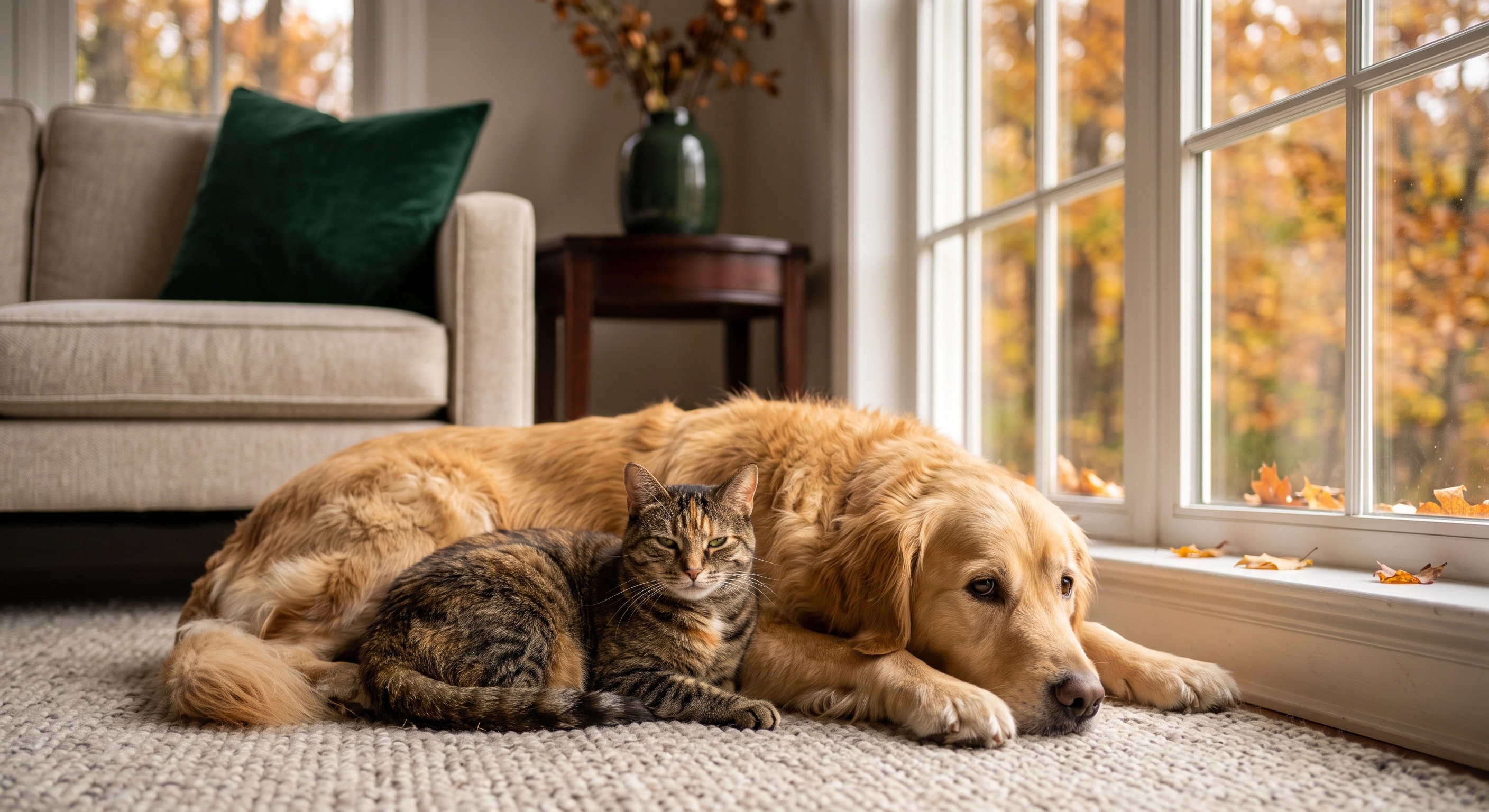
The first cool breezes blowing after the long, sweltering summer heat of Mersin and Mezitli are a great source of relief for both us and our pets. The scorching heat giving way to mild and breezy evenings allows pets to spend much more enjoyable time in open areas. However, this relaxing climate transition can also create a deceptive sense of security regarding animal health. It is often a common misconception that the danger of parasites or environmental disease risks completely disappears when summer ends.
However, the autumn period is a highly critical phase where nature prepares for winter, parasites look for warm shelters, and sudden temperature fluctuations severely challenge the immune system. Especially in apartment life, with the activation of central heating systems, outdoor risks can easily be carried indoors. Minor but strategic precautions taken for cat care and dog health in autumn ensure that the winter months pass smoothly. In this guide, the biological effects of the seasonal transition on pets and the preventive medicine steps that must be taken against these insidious risks are discussed in a medical framework.
What You Will Learn in This Guide
- 1Flea and Tick Mobility Peaking in Cool Weather
- 2Seasonal Shedding and Hairball (Bezoar) Blockage in Cats
- 3Temperature Fluctuations and Immune Decline
- 4Autumn Health Risks and Ways of Protection
- 5Indoor Care and Protection Steps in Autumn
- 6Autumn Preventive Medicine and Parasite Treatments in Mezitli, Mersin
- 7References and Notes
- 8Frequently Asked Questions
01Flea and Tick Mobility Peaking in Cool Weather
The belief that parasites, which concentrate in open areas during the summer months, disappear when the weather gets cold is one of the most common mistakes encountered in veterinary medicine. When temperatures begin to drop, fleas and ticks in nature rapidly search for a warm host (pet) and a warm environment (indoors) in order to survive.
Flea and tick infestations, especially in dogs, practically peak in the late autumn months with the activation of indoor heating systems. Finding the appropriate humidity and temperature in the warm corners of the house, between carpet fibers and beds, flea larvae multiply rapidly. This situation paves the way not only for intense itching (allergic dermatitis) but also for serious blood-borne infections. Therefore, it is strongly recommended that parasite control is not limited to the summer season but continued uninterruptedly throughout the year.
02Seasonal Shedding and Hairball (Bezoar) Blockage in Cats
As daylight decreases and the weather cools down, the biological clocks of pets begin to prepare their thick winter coats. During this transition period, the fine summer hair must be rapidly shed from the body, which is observed as heavy shedding indoors.
The acceleration of shedding creates a serious digestive system risk for cats, who spend a large part of their waking hours cleaning themselves by licking. The masses that accumulate in the stomach as a result of swallowing shed hair are called cat hairballs (trichobezoars). These balls, which pass from the stomach to the intestines, can block the digestive tract, leading to severe vomiting, loss of appetite, and acute intestinal blockages (obstructions). The solution to these developing blockages often requires complex surgical interventions.
03Temperature Fluctuations and Immune Decline
The most distinct feature of the autumn season is that the weather, which is warm during the day, suddenly turns cold at night. These sudden temperature fluctuations weaken the mucosal barrier in the respiratory tracts of cats and dogs, leading to a momentary drop in the immune system. Upper respiratory tract infections (cat flu, kennel cough in dogs, etc.) reach their highest spreading rate exactly during these periods.
Furthermore, the increase in humidity and coolness in the air can trigger joint pain due to cartilage wear (osteoarthritis) in elderly pets. Since damp weather increases the pressure in the joint capsules, it is a frequently encountered situation in clinical examinations for elderly patients to have difficulty getting up in the mornings, limping, or being reluctant to walk.
04Autumn Health Risks and Ways of Protection
| Risk Type | Affected Organ / System | Clinical Symptom | Preventive Measure |
|---|---|---|---|
| Flea and Tick Infestation | Skin, Blood, and Immunity | Intense itching, regional redness, hair loss. | Uninterrupted continuation of periodic parasite drop applications. |
| Hairball (Bezoar) | Stomachs and Intestines | Frequent retching, vomiting, constipation, and loss of appetite. | Daily grooming routine and use of veterinarian-approved malt paste. |
| Respiratory Tract Infection | Upper Respiratory, Lungs | Sneezing, eye/nasal discharge, dry and wheezing cough. | Administering combination vaccine boosters, protection from indoor drafts. |
| Joint Pain (Arthritis) | Knees, Hips, and Spine | Morning stiffness, difficulty climbing stairs, limping. | Providing warm and orthopedic sleeping areas, use of appropriate joint supplements. |
Flea and Tick Infestation
Hairball (Bezoar)
Respiratory Tract Infection
Joint Pain (Arthritis)
05Indoor Care and Protection Steps in Autumn
In order to minimize seasonal risks in the home environment, the following steps should be taken:
- Regular Grooming and Coat Care: To prevent the swallowing of dead hair, the grooming process, which is the most important part of the autumn cat care routine, should be done at least three or four times a week. Using high-quality de-shedding brushes both supports skin health and reduces hair density in the house.
- Uninterrupted Parasite Protection: In order to prevent fleas from seeking refuge in the warm indoor environment, antiparasitic applications should never be stopped with the end of summer. Protectors in the form of drops, collars, or tablets prescribed by the veterinarian must be repeated on time.
- Indoor Air Conditioning and Warm Areas: So that they are not affected by the temperature differences between day and night, pets' beds should be positioned away from directly cold floors or drafts under doors/windows. Orthopedic beds that retain heat should be preferred for elderly animals and those with joint diseases.
06Autumn Preventive Medicine and Parasite Treatments in Mezitli, Mersin
As Anka Veterinary Clinic in Mezitli, Mersin, detailed evaluations are carried out during seasonal transitions to support the immune systems of our pet patients and protect them against environmental risks.
In clinical practice, the most appropriate parasite protection schedule is carefully determined according to the age and living space of the patients. While dermatological examinations are prioritized for complaints of dullness in the coat structure or chronic itching, the joint health and internal organ functions of elderly patients are also closely monitored within the framework of preventive medicine standards.
You can visit our general checkup page for comprehensive health controls, and obtain information about our dermatology and skin health services regarding skin and hair problems.
Short Summary
Although the autumn season seems like a period of relief following the hot summer months, it harbors various risks such as increased flea/tick activities, heavy shedding, respiratory tract infections due to sudden temperature changes, and joint pain. The fact that parasites seek refuge in warm home environments to survive makes it a medical necessity to continue preventive measures uninterruptedly.
To prevent seasonal shedding from causing digestive system blockages (bezoars), frequent grooming should be performed, and vaccine and parasite schedules must be strictly followed to support the immune system. These preventive steps, taken under the supervision of a physician, ensure that cats and dogs prepare for the winter months in a much healthier and fitter way.
Note from Anka Veterinary Clinic
Respiratory sensitivities during seasonal transitions or updates to the parasite prevention schedule are critical for your pet’s overall health. At our clinic in Mersin Mezitli, we are by your side with our preventive medicine approaches in every season.
Book an AppointmentRelated Blog Posts
References and Notes
- American Veterinary Medical Association (AVMA) - External Parasites
- VCA Animal Hospitals - Autumn Safety Hazards for Pets
- Cornell Feline Health Center - Danger of Hairballs
This content has been prepared for informational purposes and does not replace a professional veterinary examination.
Frequently Asked Questions
Is it mandatory to apply flea drops in autumn?
Yes, it is mandatory. As the weather gets colder, parasites seek refuge in warm hosts and warm indoor environments with heating. Therefore, it is medically necessary for parasite protection to continue not only in summer but throughout the year.
How is the formation of cat hairballs (trichobezoars) prevented?
During the autumn months when shedding increases, the cat must be regularly groomed with special brushes every day, and malt pastes recommended by the veterinarian should be used to ensure the safely swallowed hairs are expelled from the intestines.
Why does cold weather cause limping in older dogs?
In dogs with age-related joint calcification (osteoarthritis), damp and cold weather increases intra-articular pressure, exacerbating inflammation. This situation manifests itself as morning stiffness and limping.
Should pets' diets be changed during the autumn months?
During seasonal transitions, changes in the diet may be required depending on factors such as the animal’s energy needs, supporting the coat structure, or weight management. Diets rich in Omega fatty acids are frequently preferred to control shedding.
Is it normal for cats to sneeze and have runny eyes in autumn?
Constant sneezing and discharge are not considered normal. Sudden temperature fluctuations can lower immunity, causing upper respiratory infections such as cat flu (Feline Herpesvirus, Calicivirus). A veterinary examination should be sought when these symptoms are seen.
Is the danger of fleas and ticks in dogs only specific to the summer season?
No. Due to the impact of climate change and indoor heating systems, the life cycle of ticks and fleas continues almost all year round. The risks of parasite-borne infections still persist in cool weather.
Related Service
General Examination
For clinical evaluation and a care plan, review the service page connected to this guide.
View ServiceMedical Information Note
This content is for general information only. It does not replace a veterinary examination, diagnosis, treatment, or specific medication/food recommendations. A veterinary examination and individual assessment are required for your pet’s health. In case of emergency symptoms, please contact the nearest open veterinary clinic.
MERSIN MEZITLI PET CARE
Need Professional Guidance for Your Pet?
Are you in Mersin Mezitli? If you notice these symptoms or have any concerns about your pet’s health, consult our AnkaVet veterinarians immediately. English and Russian-speaking support is available!
Your pet deserves quality care.
Get in touch today to discuss your pet’s health or schedule a consultation.