Feline Leukemia Virus (FeLV): Transmission, Symptoms, Testing, and Prevention
Sedat Çapanoğlu, DVM
Anka Veterinary Clinic
Last updated:
Mustafa Kemal University graduate (2018). After clinical experience in Mersin and a short period in municipal shelter practice, he takes an active role in surgery, emergency care, dental health, and diagnostics.
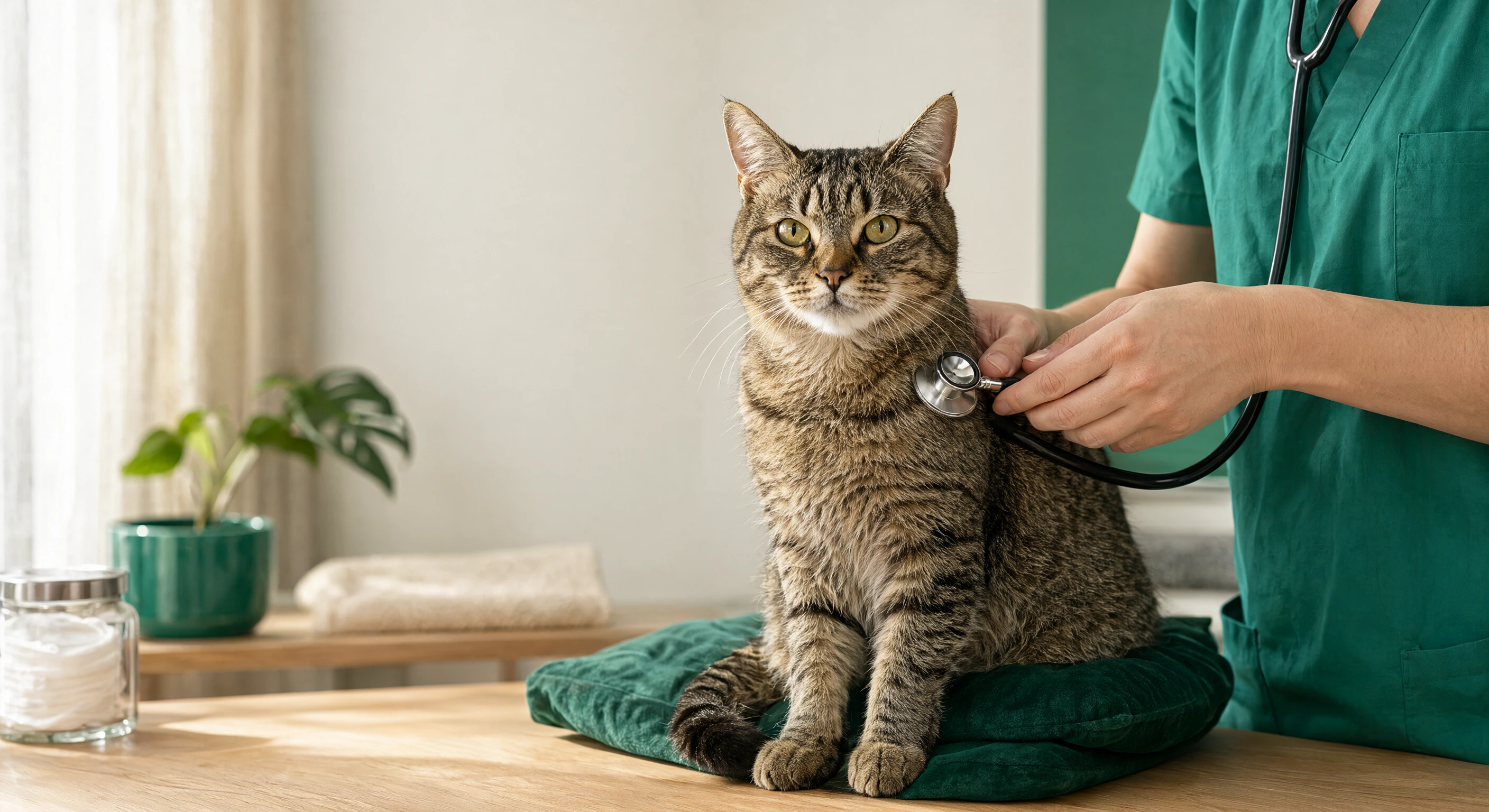
Feline leukemia is one of the most common infectious diseases in cats, and the name alone worries most owners the moment they hear it. The disease is not the same as leukemia in people. Its name comes from the fact that the virus can affect blood cells and lymphoid tissue in some cats.
Feline leukemia virus (FeLV) is a retrovirus. Because it can affect the immune system and the bone marrow, its course varies greatly from one cat to another. Some cats clear the virus within a few months, while others develop a persistent infection. This guide covers how the virus spreads, which signs matter, how test results are interpreted, where vaccination fits, and what daily life looks like with a positive cat.
What You Will Learn in This Guide
- 1What Is Feline Leukemia Virus (FeLV)?
- 2How Does FeLV Spread, and How Does It Not?
- 3FeLV, FIP, and FIV: How They Differ
- 4Signs That Deserve Attention
- 5Testing, Diagnosis, and What the Result Means
- 6Vaccination and a Practical Prevention Plan
- 7Living with an FeLV Positive Cat
- 8References and Notes
- 9Frequently Asked Questions
01What Is Feline Leukemia Virus (FeLV)?
FeLV is a retrovirus associated with leukemia and lymphoma in cats. After entering the body, retroviruses settle inside immune cells and can remain silent there for a long time. That silence explains why the infection can progress for years without obvious signs.
The most common misunderstanding concerns human health. FeLV does not infect people, and it does not pass to dogs. It is not a zoonotic disease, so sharing a home with a positive cat carries no risk to humans. FeLV should also not be confused with FIP or FIV. FIP develops from a mutation of feline coronavirus inside the body. FIV is a different virus that causes immunodeficiency. All three can affect the immune system and produce similar signs, but their agents, tests, and outcomes are separate.
The term feline leukemia can mislead as well. Not every cat carrying the virus develops leukemia. Cats with persistent infection face a clearly higher risk of lymphoma and leukemia, yet many of them live with good quality of life for years.
02How Does FeLV Spread, and How Does It Not?
Saliva carries the highest concentration of the virus. Transmission therefore happens mostly between cats that groom each other, share food and water bowls, or sleep in the same bed. Bite wounds, blood contact, and passage from mother to kitten during pregnancy or through milk are also possible.
Spread requires close and prolonged contact. The virus does not survive long in the environment, so a brief encounter at the door, a short time in the same room, or a shared staircase carries low risk. Shared litter boxes, shared bedding, and long periods in the same enclosed space do carry risk. In multi-cat households, the most frequently missed step is bringing a new cat in without testing first.
The infection is more common in street cats than in indoor cats. Fighting, injuries, and crowded feeding groups help the virus circulate. For this reason, the first examination of an adopted street cat should include an FeLV test. These situations raise the risk:
- Cats that share bowls and groom each other
- Fights, bite wounds, and deep scratches
- Passage from a mother cat to her kittens during pregnancy or nursing
- A new cat introduced without testing
- Shared litter boxes and shared bedding
03FeLV, FIP, and FIV: How They Differ
All three diseases can affect the immune system, but their agents and testing approaches are distinct.
| Disease | Agent | Key Distinguishing Feature |
|---|---|---|
| FeLV (Feline Leukemia Virus) | Feline leukemia virus (retrovirus) | Persistent infection raises the risk of immune suppression, anemia, and lymphoma; screened with an antigen test |
| FIP (Feline Infectious Peritonitis) | A mutation of feline coronavirus inside the body | Fluid accumulation in the abdomen or chest and persistent fever; coronavirus tests alone cannot confirm the diagnosis |
| FIV (Feline Immunodeficiency Virus) | Feline immunodeficiency virus | Spread mainly through bites; screened with an antibody test |
FeLV (Feline Leukemia Virus)
FIP (Feline Infectious Peritonitis)
FIV (Feline Immunodeficiency Virus)
04Signs That Deserve Attention
The hardest part of FeLV is that early infection may cause no signs at all. The virus can stay quiet for years, and when signs appear they usually reflect secondary problems caused by a weakened immune system.
Weight loss and poor appetite are the changes owners notice most often. Lethargy, loss of interest in play, and longer sleep follow. Because immunity is suppressed, gum inflammation, bad breath, recurrent upper respiratory infections, and stubborn diarrhea are common. Pale gums may point to anemia, while yellowing of the skin and the whites of the eyes can indicate liver involvement. Enlarged lymph nodes, unexplained fever, and in some cats neurological signs may join the picture.
None of these signs means FeLV on its own. The same picture appears with other infections, dental disease, and metabolic problems. What matters is that a recurring problem which never fully resolves should prompt an FeLV test. Watch for these changes at home:
- Unexplained weight loss and poor appetite
- Lethargy, disinterest in play, and long sleeping hours
- Gum inflammation, bad breath, and pain while eating
- Recurrent eye, nose, and respiratory infections
- Pale gums and easy fatigue
- Persistent diarrhea or a fever that will not settle
- Swollen lymph nodes, yellowing of the skin or eyes
- Neurological signs such as loss of balance or behavior change
05Testing, Diagnosis, and What the Result Means
The first step is usually an antigen test performed with the ELISA method. It is quick and gives a result within minutes at the clinic. A positive result is not a final diagnosis on its own; it is confirmed with more specific tests such as PCR or IFA. That confirmation prevents a false positive result from giving a cat an unnecessary label.
Timing matters as much as the test itself. There is a window between exposure and a positive result. A test performed immediately after contact can come back negative. If the first test after a risky contact is negative, it should still be repeated four to six weeks later. Kittens under six months of age can show a temporary positive result, so the test needs to be repeated at six months. Vaccination does not turn an antigen test positive, which is an important difference from the FIV antibody test.
When the result is positive, the course differs from cat to cat. Some exposed cats clear the virus within a few months and return to negative. Others develop persistent viremia; the virus settles in the bone marrow and the cat remains a carrier for life. Persistent infection raises the risk of immune suppression, anemia, and lymphoma. Even so, the diagnosis is not an immediate dead end. With regular monitoring, suitable nutrition, and early management of secondary infections, many cats maintain good quality of life for years.
06Vaccination and a Practical Prevention Plan
The FeLV vaccine is one of the main tools for protection, but it is not automatically recommended for every cat. The decision follows the cat’s lifestyle. Cats that go outdoors, have garden access, live with an FeLV positive cat, or live in multi-cat settings with unknown health status are in the risk group. A single indoor cat with no contact with other cats faces lower risk.
In kittens, the vaccine series usually starts after eight to nine weeks of age and repeats at three to four week intervals. Adult cats receive two initial doses. For cats at ongoing risk, an annual booster is recommended. The protection level is high but not absolute. The vaccine therefore works together with testing and environmental control. On its own, it does not erase the risk created by prolonged close contact with a positive cat.
The most effective preventive step is testing every cat that enters the home. A new cat should stay in a separate room until the result is available, with a separate litter box, food bowl, and water bowl. Neutering also helps indirectly by reducing fighting and roaming. Keeping cats indoors breaks the chain of transmission. Steps that work at home:
- Keep a new cat in a separate room until the test result is available
- Provide a separate litter box, food bowl, and water bowl for each cat
- Neuter to reduce fighting and roaming
- Keep positive cats away from crowded, unsupervised environments
- Review the vaccination plan for at-risk cats with your veterinarian each year
07Living with an FeLV Positive Cat
The first step in managing an FeLV positive cat is building a clear plan. No approved specific drug eliminates the virus from the body today. Treatment therefore relies on a supportive approach. The goal is a routine that does not exhaust the immune system, early detection of secondary infections, and preservation of quality of life.
A veterinary examination and blood count every six months form the backbone of monitoring. Dental health deserves its own heading, because gum inflammation is very common in positive cats and directly affects eating. Reducing stress, keeping a steady daily routine, and an appropriate nutrition plan also support immune balance. Decisions about diet and supplements belong to the veterinarian and follow the cat’s overall condition.
A positive cat should live indoors. A positive cat that goes outside both risks passing the virus to other cats and becomes more exposed to new infections. Fighting with other cats should be prevented, and no new cat should be added to the home. If an FeLV negative cat lives in the same household, the risk is not zero; separate bowls, a separate litter box, and a management plan built with the veterinarian are necessary. That plan also sets which cat is tested and how often.
- Keep the cat indoors and prevent outdoor access
- Separate the litter box and bowls from those of other cats
- Neuter and prevent fighting with other cats
- Do not add a new cat to the household
- Schedule an examination and blood count every six months
- Check gum and oral health at every visit
- Seek care promptly for sudden weight loss, poor appetite, or fever
At Mersin Anka Veterinary Clinic in Mezitli, Mersin, our approach to a suspected FeLV case is straightforward. We begin with a detailed general examination, reviewing everything from the gums and lymph nodes to weight, body condition, and temperature. We then use our laboratory and imaging unit for the rapid antigen test and, when needed, confirmatory testing.
A blood count shows how severe the anemia is and whether the bone marrow is involved. These findings guide how closely we monitor and what the supportive plan looks like. If you notice sudden weight loss, pale gums, recurring fever, or loss of appetite, bring your cat for an examination without delay. When more than one cat lives in the home, planning the testing status of all of them together is the safest route.
Short Summary
FeLV is a retroviral infection in cats that does not spread to humans. Transmission happens mainly through saliva and close contact, while brief and casual contact carries low risk. Diagnosis relies on an antigen test supported by confirmatory testing, and timing directly affects the result.
A positive cat can maintain good quality of life for years with the right management. Keeping the cat indoors, separating bowls, neutering, and scheduling examinations every six months form the foundation. Vaccination is an important layer of protection for at-risk cats, but it is not enough on its own.
A Note from Anka Veterinary Clinic
Sharing your cat’s test result, vaccination history, and recent changes in weight, appetite, and behavior during the examination helps us build a safer follow-up plan.
Book an AppointmentRelated Blog Posts
References and Notes
- Merck Veterinary Manual - Feline leukemia virus
- VCA Animal Hospitals - Feline leukemia virus
- Cornell Feline Health Center - Feline leukemia virus
- WSAVA - Global vaccination guidelines
This content has been prepared for informational purposes and does not replace a professional veterinary examination.
Frequently Asked Questions
Can FeLV pass to humans?
No. FeLV is a retrovirus that affects cats only and does not infect people or dogs. Sharing a home with a positive cat poses no risk to human health. Basic hygiene is still sensible, since a cat’s mouth and saliva can carry other organisms.
Is vaccination alone enough protection?
Vaccination adds an important layer of protection, but the level is not absolute. If your cat’s lifestyle carries risk, testing, environmental control, and regular veterinary checkups continue alongside the vaccine. A vaccination history alone does not provide certainty during prolonged close contact with a positive cat.
Can you live with an FeLV positive cat?
Yes, with a clear plan. Keeping the cat indoors, separating bowls, neutering, and scheduling examinations every six months are the basic steps. Many cats maintain good quality of life for years after diagnosis.
When should the test be repeated?
After a risky contact, a negative result should be repeated four to six weeks later. Kittens under six months can show a temporary positive, so the test is repeated at six months. A positive result is confirmed with PCR or IFA.
Is FeLV the same as FIP or FIV?
No, these are three separate diseases. FeLV is a leukemia virus, FIP develops from a mutation of feline coronavirus, and FIV is an immunodeficiency virus. Signs can look similar, so the distinction is made through testing and veterinary assessment.
Is a shared litter box a risk?
Yes, a shared litter box and shared bedding carry risk for cats living together. The virus does not survive long in the environment, but close and constant sharing makes transmission easier. Positive and negative cats should therefore have separate supplies.
Related Service
General Examination
For clinical evaluation and a care plan, review the service page connected to this guide.
View ServiceMedical Information Note
This content is for general information only. It does not replace a veterinary examination, diagnosis, treatment, or specific medication/food recommendations. A veterinary examination and individual assessment are required for your pet’s health. In case of emergency symptoms, please contact the nearest open veterinary clinic.
MERSIN MEZITLI PET CARE
Need Professional Guidance for Your Pet?
Are you in Mersin Mezitli? If you notice these symptoms or have any concerns about your pet’s health, consult our AnkaVet veterinarians immediately. English and Russian-speaking support is available!
Your pet deserves quality care.
Get in touch today to discuss your pet’s health or schedule a consultation.